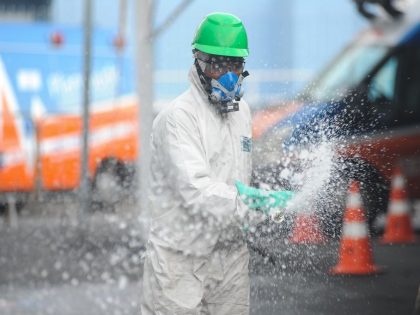
The time to act is now
More than 90 African intellectuals wrote an open letter to African leaders about the continent’s handling of the COVID-19 pandemic.
Search Result(s) for: “covid-19”
More than 90 African intellectuals wrote an open letter to African leaders about the continent’s handling of the COVID-19 pandemic.
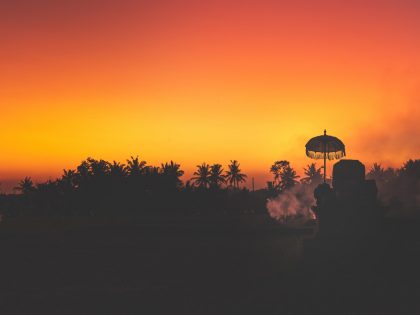
During the COVID-19 pandemic many people who work online were able to set up shop in lands far away from their pre-pandemic homes. But, for whom is the digital nomad lifestyle?
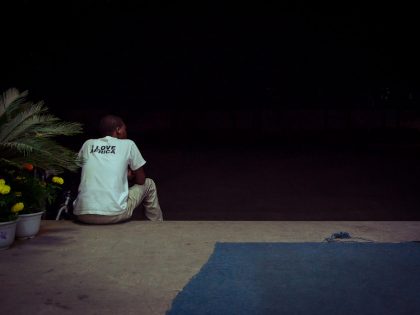
The recent news of evictions and mistreatment of African students in China during the COVID-19 pandemic is rooted in a history of violence and discrimination.
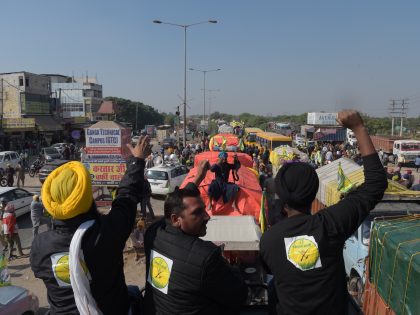
The latest COVID-19 crisis in India is overshadowing a farmers' revolt over land and agriculture. That revolt holds lessons for Africans.

In the second video from our Capitalism In My City project, Dennis Esikuri talks to everyday Nairobians about the current employment opportunities in the context of the COVID-19 epidemic.
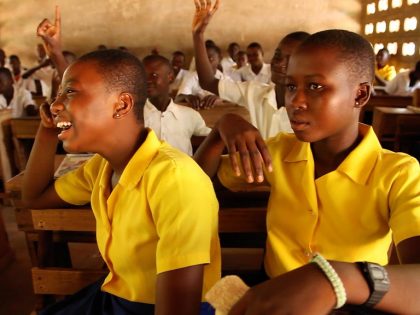
The coronavirus shutdown in Ghana exposes the weaknesses and inequities in the country’s education system.
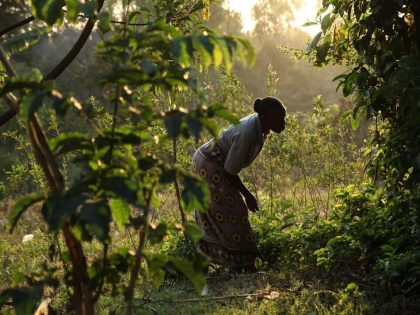
The World Food Program says COVID-19 will bring about a famineof biblical proportions, so it is a good time to revisit why food hasnever just been about the simple act of eating. Food is history. Foodis identity.
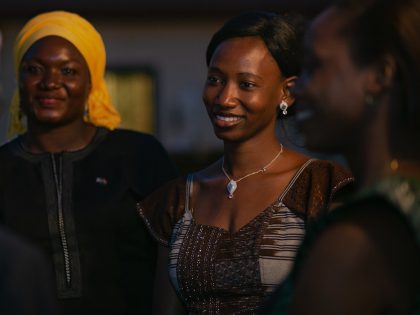
On the African Women’s Development and Communication Network (FEMNET) based in Kenya.
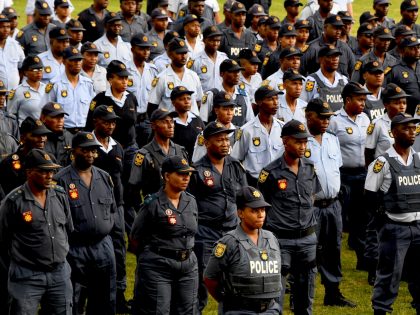
South Africa’s biggest city is ground zero for debates about the long-term effectiveness and constitutionality of militarized urban policing and how we imagine the post-COVID city.
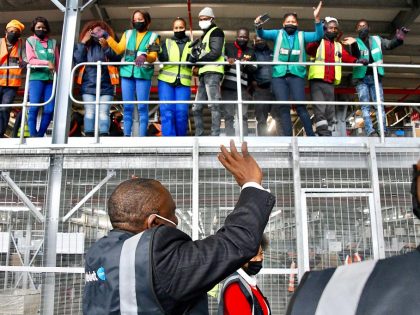
Three activists from the Assembly of the Unemployed talk to us about the challenges facing working-class communities in South Africa.
What literature can teach us about what happens when the chain that connects human beings to nature is broken.
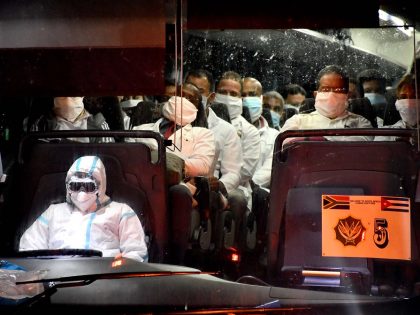
African intellectuals are calling for a different discussion. Isn’t this the right time to propel changes that have often been postponed?
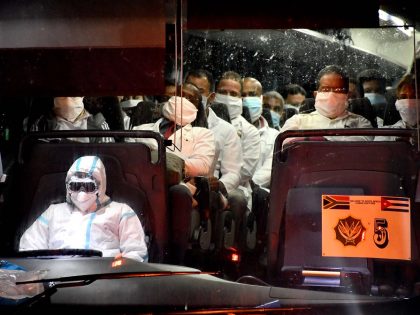
What a year. Stay safe, wear a mask, social distance and when the vaccine becomes available where you are, get vaccinated.
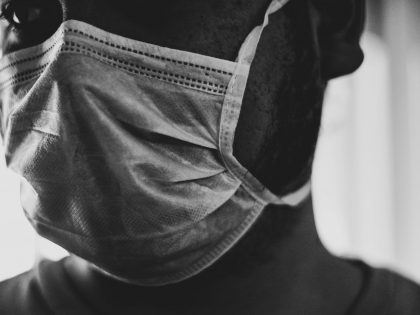
The African response to the coronavirus pandemic displays innovation and ingenuity.

Speculative fiction by writers from Africa explore viral apocalypses. What can we learn from art on catastrophe?
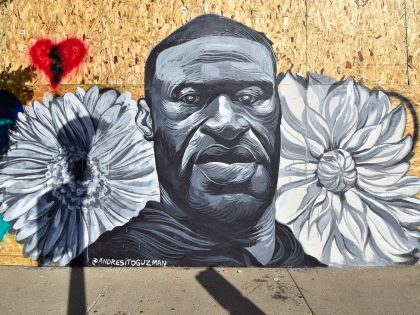
The labor and political organizing of Somali immigrants in the US Midwest should inspire more Americans to join the broader movement for worker rights and racial equality.

In an agreement between the EU and African countries, refugees held at sea in the Mediterranean cannot claim rights to asylum. They are forever in limbo.
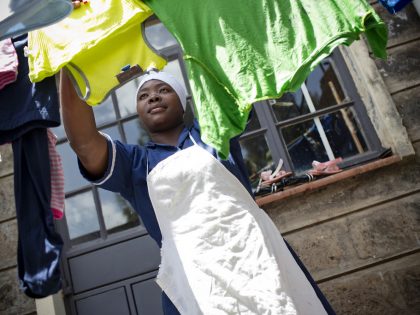
Regular Kenyans try to survive the economic fallout from the coronavirus.
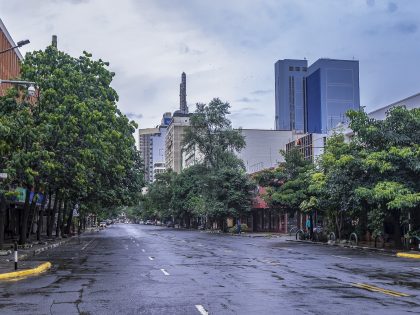
Cities will continue to exist and grow despite the coronavirus crisis because of the distinctly human need for social interaction, physical contact, and collaboration.
What happened to the once universally accepted idea of healthcare for all?