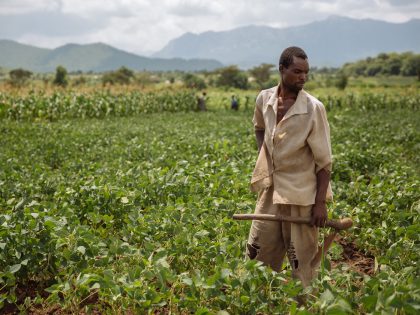
At what cost?
Malawi’s decision to send more than than 200 people to work on Israel’s farms sets a precedent for other African leaders to act with the same apathy.
Search Result(s) for: “apartheid”
Malawi’s decision to send more than than 200 people to work on Israel’s farms sets a precedent for other African leaders to act with the same apathy.
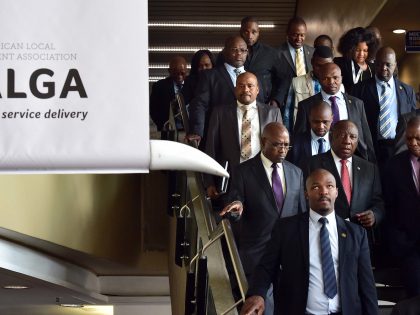
If re-municipalization — returning a privatized service to local public control — is to work in South Africa, we need other forms of social contracting between municipalities and citizens.
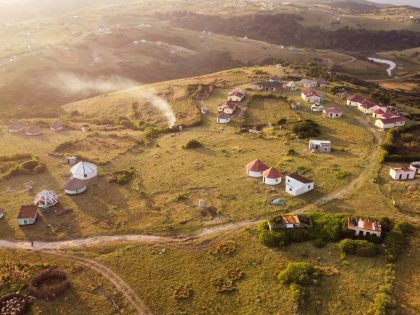
Why languages, particularly black African languages, have become a battleground in postapartheid power and identity politics in South Africa.
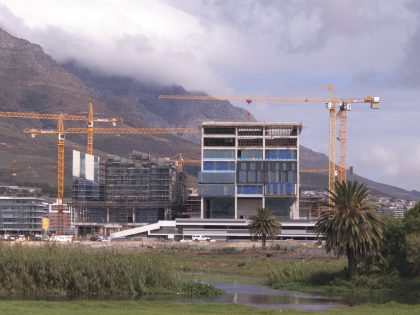
K. Sello Duiker’s 'The Quiet Violence of Dreams' still haunts Cape Town, a city whose beauty masks its brutal exclusions. Two decades later, in the shadow of Amazon’s new development, its truths are more urgent than ever.
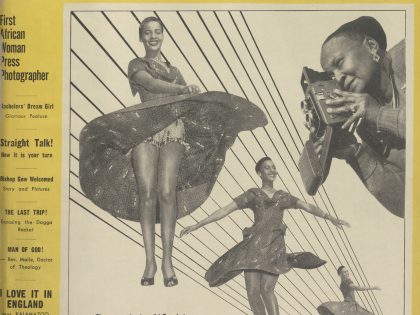
Mabel Cetu is considered South Africa's first Black woman photojournalist and documented the everyday lives of Black communities in the 1950s.
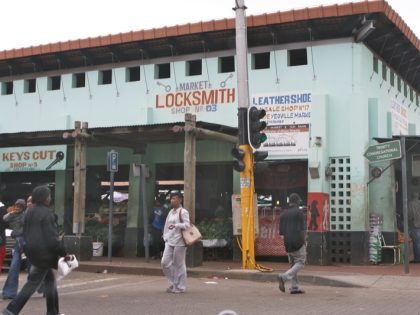
From indirect rule to Operation Dudula, the lines dividing citizen from stranger trace back to the way empire organized identity and labor.
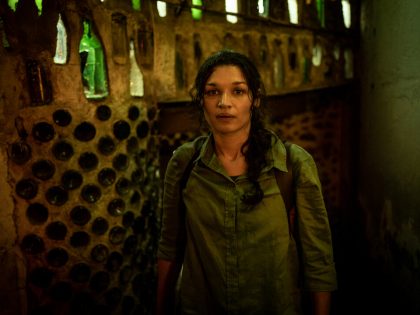
The crime drama 'Reyka' looks at violence in the troubled South African province.
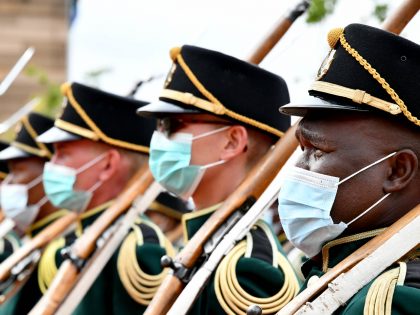
Amilcar Cabral’s influence stretched far beyond the Portuguese colonies, profoundly influencing the political struggle in South Africa, past and present.
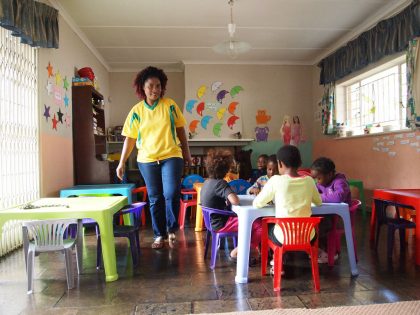
Like many other African states, South Africans discharge their anger at political failings on easy scapegoats: those they deem foreigners.
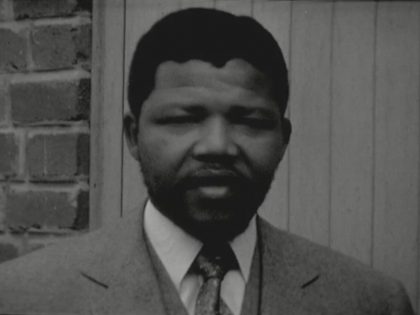
Vintage clips, from 1961, of Nelson Mandela, ZK Matthews, Helen Joseph, among others, on a Dutch TV program talking liberation from white supremacy.
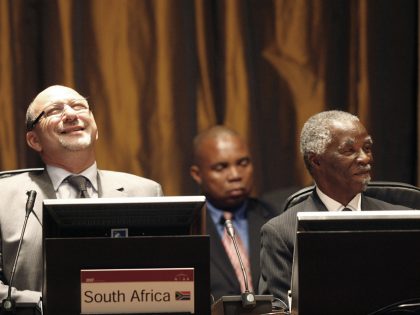
The question as to whether a coloured can become leader of South Africa's ruling party and even, more remotely, president of the country.
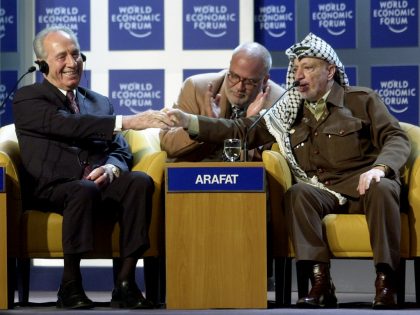
A new series of documentaries explore the politics of leadership via an imaginative, malleable, deeply personal treatment of history.
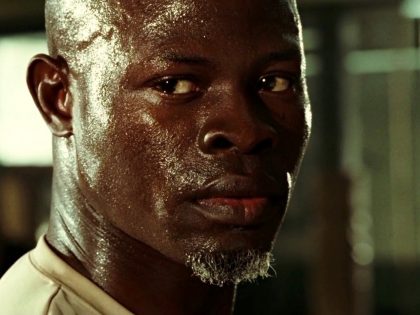
Actor Djimon Hounsou doesn't take his own advice about the media he makes about Africa.
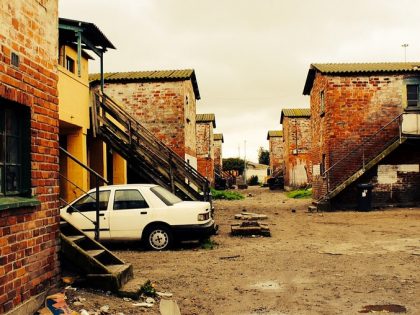
The chance that the lives of South Africa's poor will change for the better without struggle, is slim.
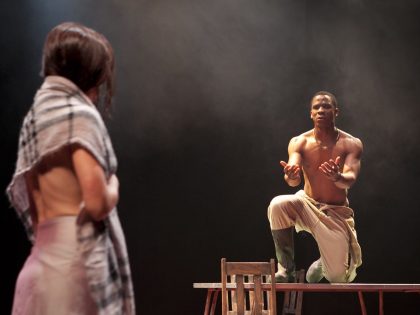
The success of 'Mies Julie' tells us more about the way that audiences in the Global North like to think about South Africa than it does about actual South Africa.
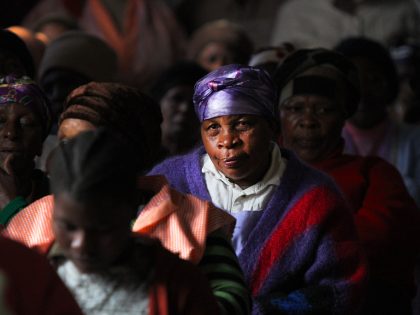
Most media reports of “political murders” in KwaZulu-Natal in South Africa don't situate them in their larger historical context.

My beef with rhinos is more of a beef with white South Africa as a whole, who are all for saving rhinos but largely silent about inequality, poverty and institutional racism.
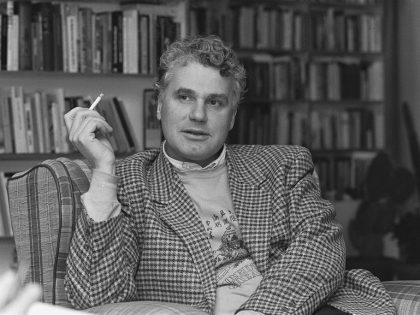
That what a Dutch writer Adriaan Van Dis told an Italian newspaper when asked about what South Africa is like now.
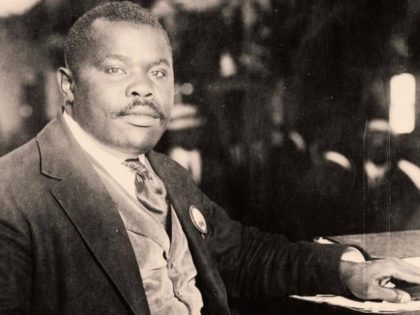
The historian Robert Vinson explores Garvey's influence in South Africa in the 1920s and 1930s.