
After the World Cup is gone
The book, "Africa’s World Cup," is a valuable source for thinking more deeply about the meanings and legacies of the 2010 edition of the competition hosted in South Africa.
Search Result(s) for: “apartheid”
The book, "Africa’s World Cup," is a valuable source for thinking more deeply about the meanings and legacies of the 2010 edition of the competition hosted in South Africa.

A sample of Africa Is a Country editors and contributors list the books keeping them warm this winter.
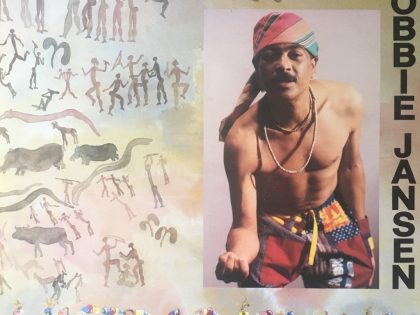
Robbie Jansen is a key figure in what is referred to as South African, especially Cape Town, jazz.
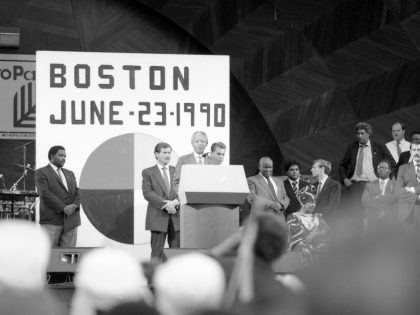
The author, remembering Mandela, writes how South Africa galvanized progressive energies in the US in the 1980s.
Running like a blue thread through the history of South African liberalism is a readiness to defer to white prejudices that has been consistently repaid in the coin of unambiguous rejection.
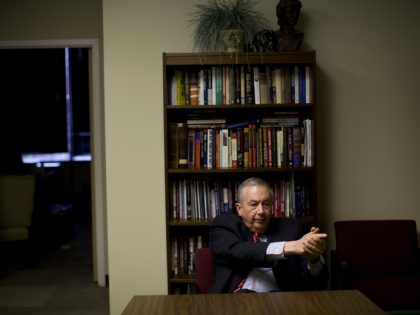
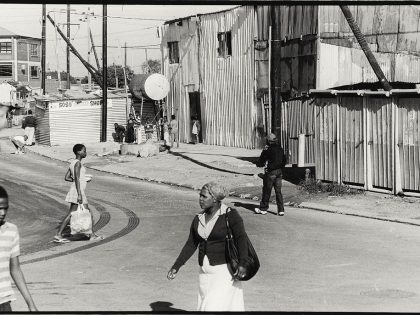
Oral histories conducted with women involved in South Africa’s liberation struggle offer us startlingly candid portraits of youth activism.
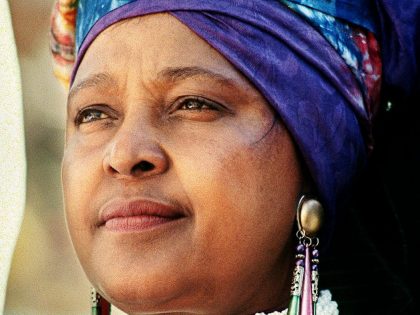
Winnie Madikizela-Mandela, adored by the youth of Soweto in the 1980s, has gained traction in the activist imagination once more.
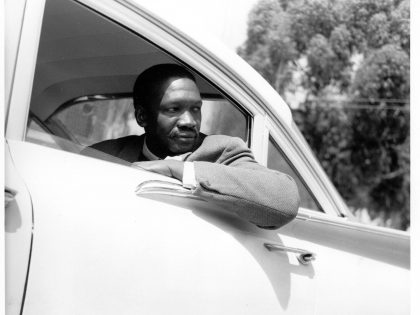
What is the South African political leader Robert Sobukwe’s legacy today?
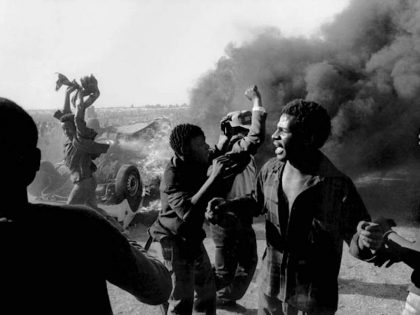
Within a context of spiraling poverty and inequality in South Africa, the lessons of uprisings in the 1980s are well worth revisiting. For millions of people, their socioeconomic demands remain unfulfilled.
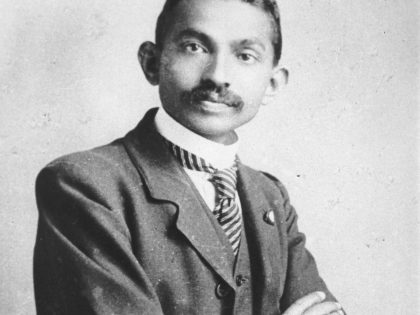
Debates about Gandhi represents a deeper crisis about belonging, entitlement and exclusion in postcolonial Africa.
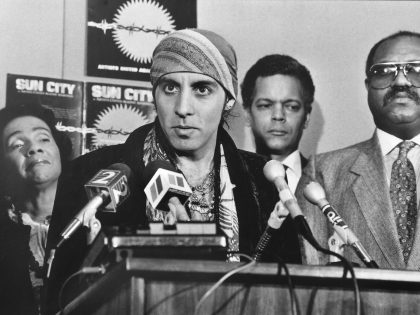
The making of Paul Simon's "Graceland" album was controversial. But it seems we didn't know the half of it if Steven Van Zandt is to be believed.
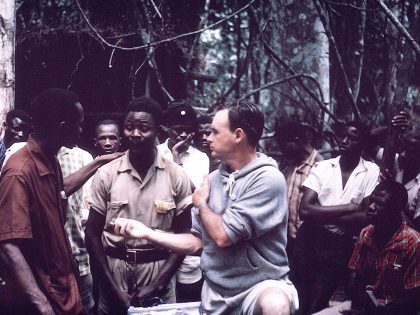
An ally of a who’s who of revolutionaries like Patrice Lumumba, Amilcar Cabral, Oliver Tambo, and Kenneth Kaunda.
An in-depth look at the life and times of Winnie Madizikela-Mandela largely in her own words.

A black woman, born in Cape Town, returns to the city to buy a house where she will hopefully retire.

The South African question is far too important to accommodate an explanation that is simplistic and childish.

The British and Irish Lions tour of South Africa, in the middle of a pandemic, exposes the professional sports system for what it is.

Housing struggles Brazil are a good case study to help us understand the limits of what is possible for urban housing movements in South Africa.
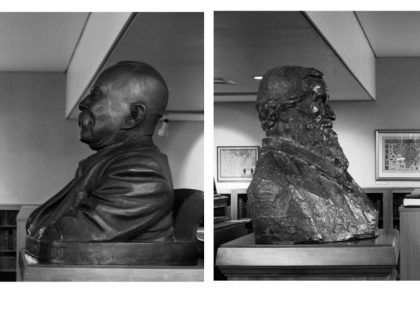
Statues of icons of colonialism continue to exist in their visibly unaltered state throughout South Africa’s major cities.
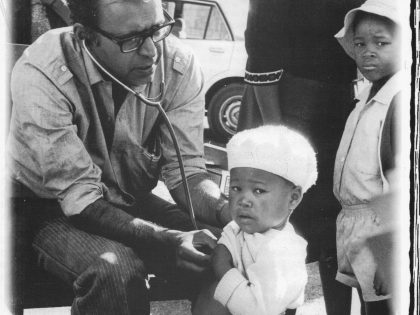
The murder of Abu Asvat has clouded Winnie Mandela's legacy. Theirdeep friendship symbolized what could have been in the struggle forfreedom.