
The (African) Arab Cup
Morocco’s World Cup heroics are forging a new, dissident Third-World solidarity, reflecting the multifaceted nature of Moroccan identity itself: simultaneously Arab, African, and Amazigh.
Search Result(s) for: “Ethiopia”
Morocco’s World Cup heroics are forging a new, dissident Third-World solidarity, reflecting the multifaceted nature of Moroccan identity itself: simultaneously Arab, African, and Amazigh.
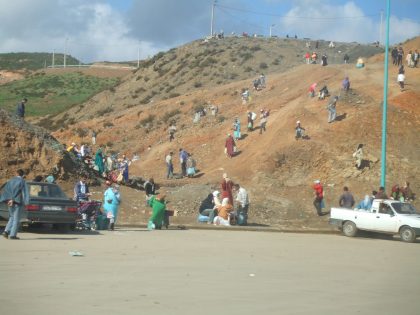
African migrant women are exposed to intersectional systems of violence but are not simply victims.
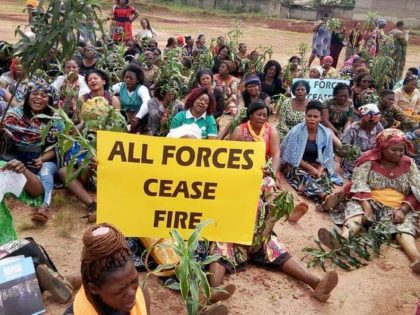
The longue duree of the conflict in the Southern Cameroons, the rise of the current Ambazonian movement, as well as the dismal prospects for conflict resolution.

There are no records of when the first official football match was played in Nigeria, but it started in the 1920s.
The writings of Ugandan lawyer David Mpanga are both literary and legalistic, rooted in African conceptions of storytelling and self-determination.

Can a continent dominate global football while losing control of its own game?

For all the coverage about Kamala Harris' Afrobeats Spotify playlist, or her search for her grandfather’s house in Lusaka, her African trip is about shoring up US positions.
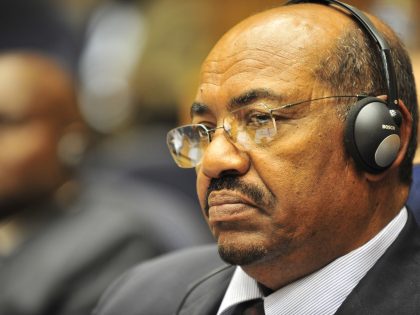
Omar al-Bashir has a bigger problem than the ICC: Ordinary citizens, including the middle classes, taking to the streets against the effects of austerity on their lives.
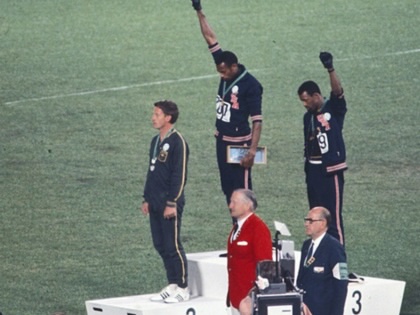
The refusal of the US government to admit Somali referee Omar Artan is a reminder that the United States has a long history of using sports as a tool of exclusion, especially when it comes to African and African-descended athletes.

Contemporary approaches to the legacy of colonialism tend to narrowly emphasize political agency as the solution to Africa’s problems. But agency is configured through historically particular relations of which we are not sole authors.

The “Arab Spring” has become our reference point for revolutions in this digital age, including in Africa south of the Sahara. It's ahistorical.

How the death of a very talented Kenyan marathon runner points to structural problems in the country's national running industry.

One of our readers took our title literally.

Representing Africans as helpless and without dignity while showing ourselves as knowledgeable problem-solvers is the problem and not part of the solution.

Recent violence across the Eritrean diaspora is being instrumentalized by populists. But the violence is a desperate cry for attention and requires the Eritrean opposition to seize the moment for regime change.
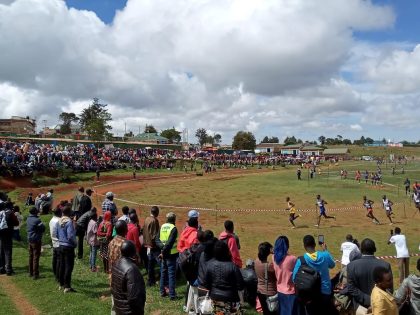
The successes of elite Kenyan athletes should not distract from the ways ordinary Kenyans are using it to make meaning for themselves.

A new film about American civil rights icon Bayard Rustin overlooks his later conservative turn, evident in his attitudes to anticolonial resistance in Africa.

Madlib's "Medicine Show No. 3: Beat Konducta in Africa" is about African liberation in the 1970s, especially south of the Limpopo.