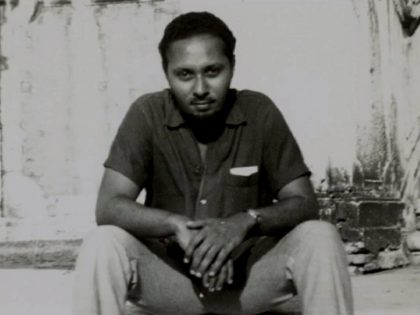
The most important public intellectual of the last 50 years
In gratitude to Stuart Hall, a socialist intellectual who taught us to confront the political with a smile.
Search Result(s) for: “Britain”
In gratitude to Stuart Hall, a socialist intellectual who taught us to confront the political with a smile.

An insight into the openly racist and homophobic atmosphere that passed for public life in Margaret Thatcher's England.

Europe's new provincialism exacts a human toll that can only be accepted with a mind-set that subscribes to nothing more than a new barbarism.
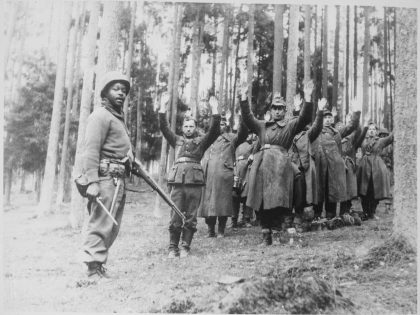
It is no surprise that even today, Europe only feels guilt about the episode of the Holocaust and not the principle of genocide which made it possible.
The fact that the global novel has emerged from the world of the global literary economy does not render it "lite."

It is worth going through some of the dodgiest choices made by the Nobel committee in the time they've awarded the Peace Prize first in 1901.

Peter Clarke, who passed away on April 13, 2014, was an elder statesman of South Africa's arts community.
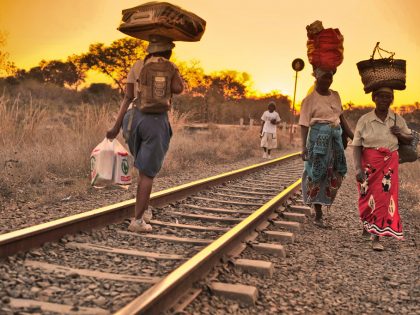
Zimbabwe is its own self, its own country, not some echo chamber from which people hope to catch reverberated strains of their own discourses.
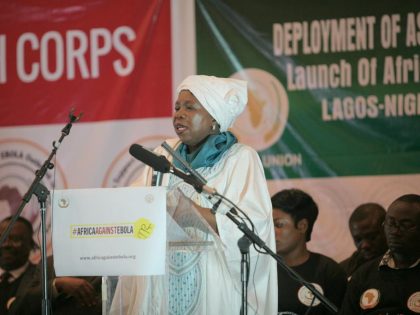
The AU seeks an increased role in emergencies like the Ebola crisis in West and Central Africa and the civil war in South Sudan.

A very short introduction to Peter Mutharika, Malawi's new President.

S'manga Khumalo is the first black jockey to win South Africa's richest horse race.
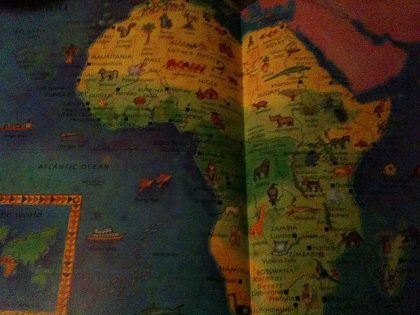
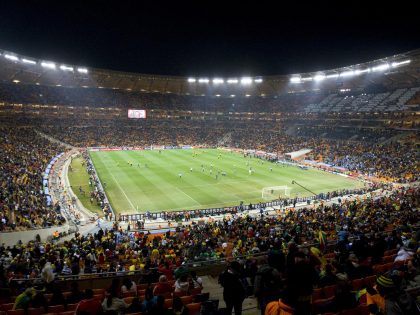
The book, "Africa’s World Cup," is a valuable source for thinking more deeply about the meanings and legacies of the 2010 edition of the competition hosted in South Africa.

The UAE shares no border with Sudan and faces no refugee crisis from its war. It has only an interest in the country’s gold, ports, and in making sure a popular revolution doesn’t spread.
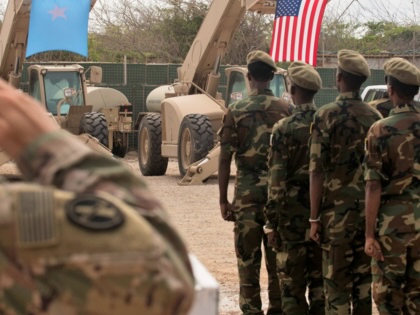
As the UN and the US pull back from Somalia’s security architecture within months of each other, Mogadishu insists it is ready. The gap between that confidence and the country’s political reality tells a different story.
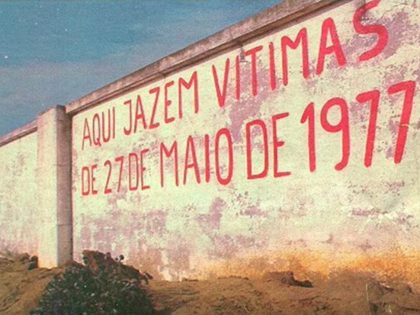
Lara Pawson's book about the complex and violent events on and after the 27th of May, 1977: the date of a supposed coup d’etat in Luanda, Angola.

In her work, Ellen Gallagher defiantly challenges linear perspective to redress what fellow African-American artist Theaster Gates has called "the African non-archive."
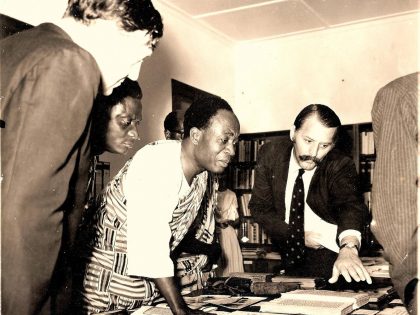
A historian of Ghana, Ivor Wilks was crucial to the founding of African history as an academic discipline in the late 1950s and to its development over subsequent decades.