
Tintin’s Day in a Belgian Court
Tintin is full of offensive, racist, stereotypes. Should Africans take the publishers to court? No, argues the author; it is counterproductive.
Search Result(s) for: “Britain”
Tintin is full of offensive, racist, stereotypes. Should Africans take the publishers to court? No, argues the author; it is counterproductive.
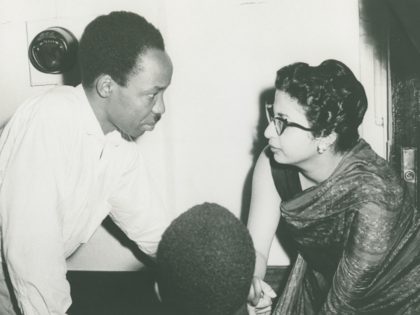
Many know Frene Ginwala, the iconic anti-apartheid activist, as democratic South Africa’s first speaker of parliament. But few know of her time building pan-African media in Dar Es Salaam.
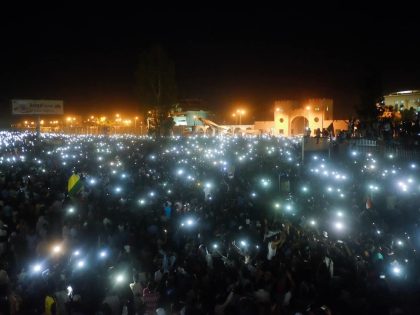
Since 2019, two separate political processes developed simultaneously in Sudan: one at the state level and the other at the grassroots. Today’s war originates in the predominance of the former over the latter.
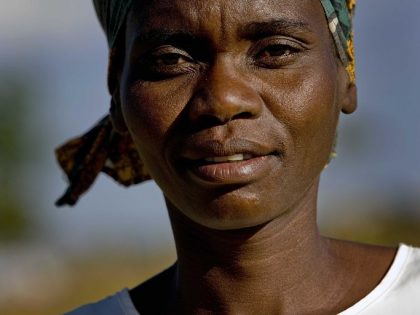
As the number of active female bloggers has increased, so too has the level of discourse around the dynamism and contradictions of life as a Zimbabwean woman.
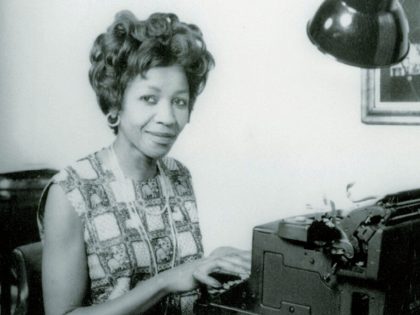
Noni Jabavu was one of South Africa’s most trailblazing writers. Her commitment to elite ambivalence makes it difficult to hail her as a black feminist icon.
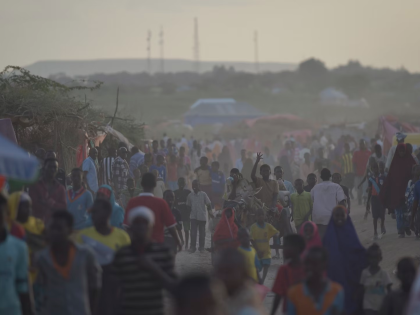
Somalia’s political landscape is increasingly fragmented due to regional and clan differences. Is this the end of the centralized state and a unified, national identity?
This story of Harvard political scientist, Robert Rotberg, and Sudanese billionaire, Mo Ibrahim, falling out, is quite something.
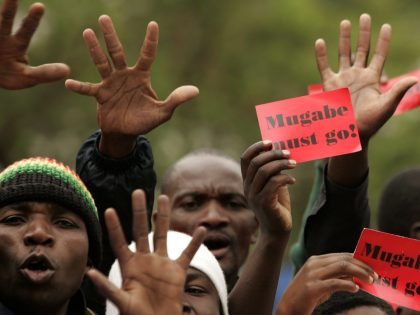
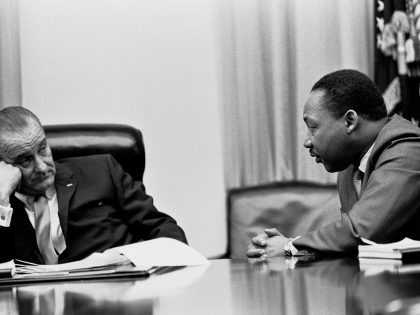
If we could ask our readers (and critics, and everyone else) to pick Africa's most insightful intellectual, who would they pick?
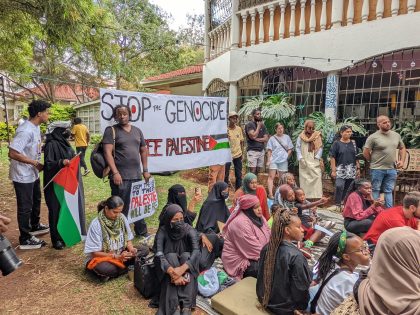
Kenya is one of Israel’s closest allies in Africa. But the Ruto-led government isn’t alone in silencing pro-Palestinian speech.
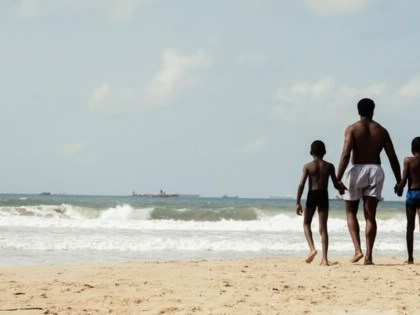
Akinola Davies Jr’s feature-length debut traces how Nigeria’s military rule collapsed the boundary between political crisis and intimate life, leaving families to bear the cost of authoritarian power.
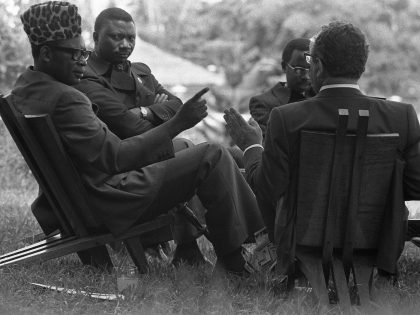
In 1975, seeing how a communist victory in Angola’s civil war would boost the morale of Vietnamese freedom fighters, Henry Kissinger wanted to plan a covert operation against the MPLA.
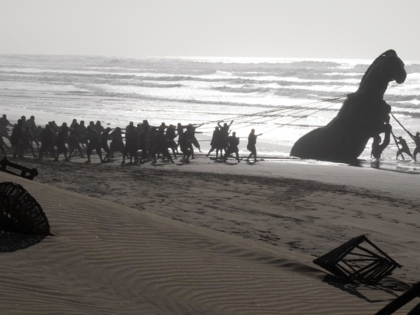
Backed by Moroccan state subsidies, Christopher Nolan’s decision to film The Odyssey in occupied Western Sahara is the latest and highest-profile chapter in a five-decade campaign to normalize colonial rule.
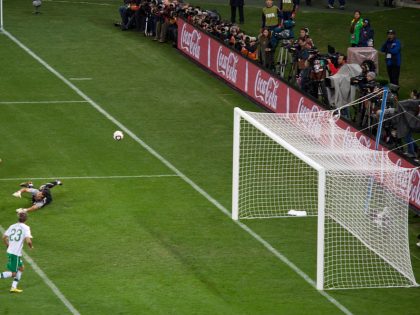
How much of Equatorial Guinean's tax money did the Obiangs pay to the Spanish FA for a meaningless match between its national teams?
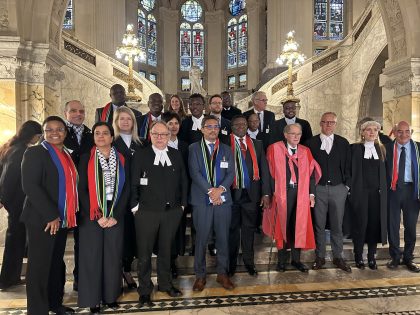
South Africa’s ICJ case against Israel is the latest example of its ability to act as a normative superpower, exceeding even the great powers in shaping global moral discourse.
What's wrong with the 'Africa' journalism of Aidan Hartley, a staple in rightwing UK media like 'The Spectator' and 'The Daily Mail."
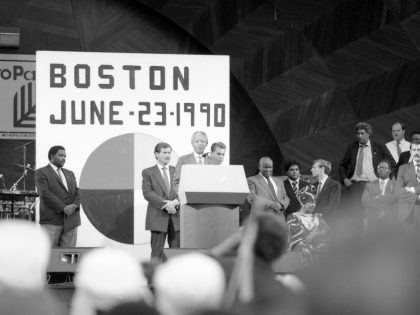
It is not hard to understand the iconic status of Nelson Mandela and the overflow of emotion his death has provoked in the Pan-African world.
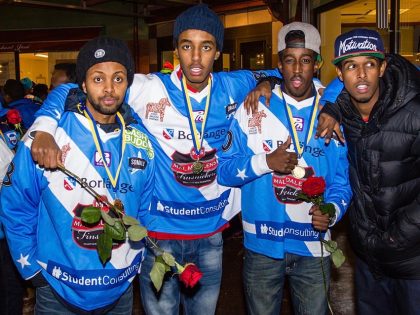
"Unlikely Sports Heroes" partially serves to reinforce the image of inferiority. They never actually win anything.
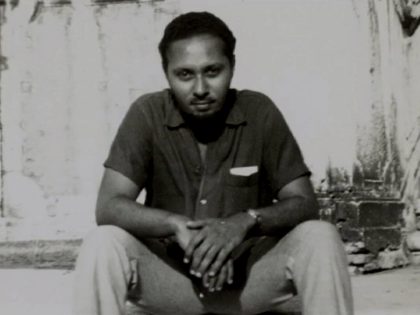
Akomfrah's films gives voice to the legacy of the African diaspora in Europe, and his experimental approach to narrative and structure helped pave the way for the re-emergence of the "essay film" today.