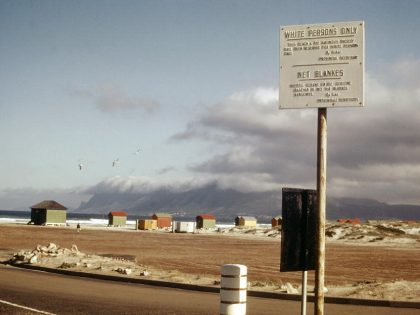
History in the active voice
Research and investigative journalism have begun to identify the agents of Apartheid South Africa's violent history.
Search Result(s) for: “London”
Research and investigative journalism have begun to identify the agents of Apartheid South Africa's violent history.
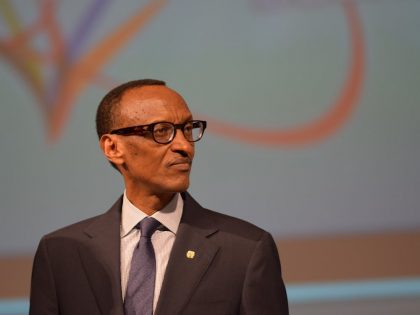
The United Nations just made public a report about human rights abuses committed by Rwandan troops against Hutu refugees in then-Zaire in 1996-1997.

David Adjaye’s plans to 'revitalize' Hallmark House in downtown Johannesburg, raises ethical questions about the city's development plans.

Masekela wanted to craft a sound that avoided “world music” caricature while not simply mimicking the American Bebop he was so enamored of.
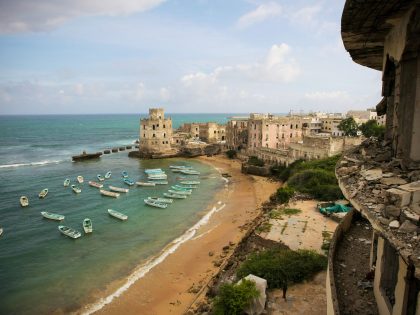
In Gaza and Haiti, the specter of another Mogadishu is being raised to alert on-lookers and policymakers of unfolding tragedies. But we have to be careful when making comparisons.

For many white French, and including African immigrants in France, watching movies like 'Phone Swap,' 'Tango with Me,' 'Last Flight to Abuja' and 'Maami,' is an eye-opener.

South Africa's media, already lacking any serious labor reporting, have no interest in fairly reporting the strike by mine workers.

The artist Mohau Modisakeng mines the contours of colonial and post-colonial history.

District Six was the start of a really vibrant, none racial South African and that’s why it had to die.

That old excuse of ‘We didn’t know’ (previously also heard as ‘Ons het nie geweet nie’ and ‘Wir haben es nicht gewuszt’) may be factually accurate, but it is never an ethical defense.


In a new film, former UN-Secretary General Dag Hammarskjöld is portrayed as a defender of a fledgling postcolonial state. But his role in the Congo Crisis is more complicated.

Tahrir Square has become the most troublesome of metaphors in a country beset by problems of representation.
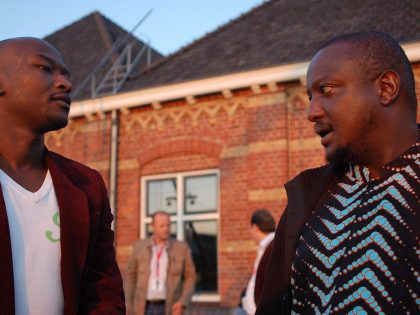
The inaugural winner of the Caine Prize for short fiction opines on the useless rivalry between Kenyans and Nigerians about who has won more Caine Prizes.
The UAE shares no border with Sudan and faces no refugee crisis from its war. It has only an interest in the country’s gold, ports, and in making sure a popular revolution doesn’t spread.