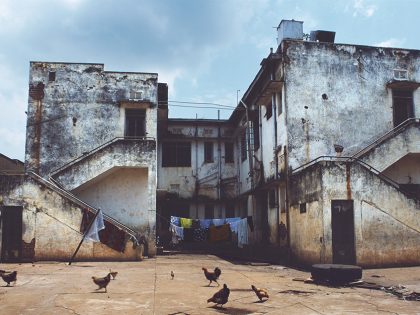
A photograph cannot give you concrete information
Despite her reluctance, Zarina Bhimji's work does engage with her personal history of Indians' expulsion from Uganda.
Search Result(s) for: “Britain”
Despite her reluctance, Zarina Bhimji's work does engage with her personal history of Indians' expulsion from Uganda.
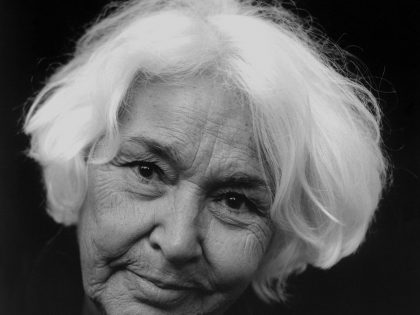
El Sadaawi died on March 21, 2021. Her complex and evolving positions mean there is more than one version of her to commemorate.
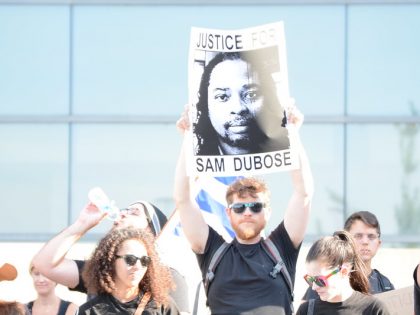
Since Stuart Hall wrote critically about race as an analytical category in the 1980s, naturalized accounts of race are back with a vengeance.
The author on why she felt compelled to write another book on Nkrumah. This time on Western powers smearing Nkrumah as a Communist.
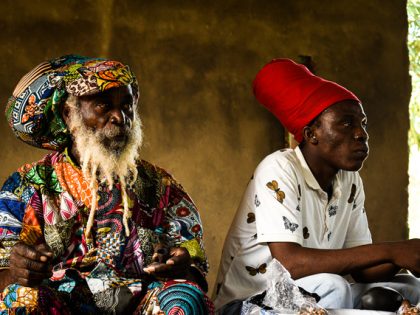
Ghana's government likes to advertise its "Year of Return" to welcome members of the African diaspora back to the country, but the first returnees, Ratafarians, are still fighting for their rights.

The presence of black people in France spans the last three centuries.
In Africa, the consequences of the growth-at-all costs model are starting to reveal themselves, and they're not pretty.
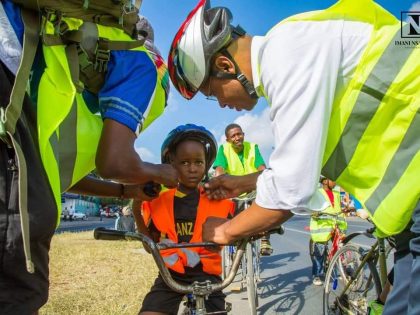
Cycling as community in Dar es Salaam.
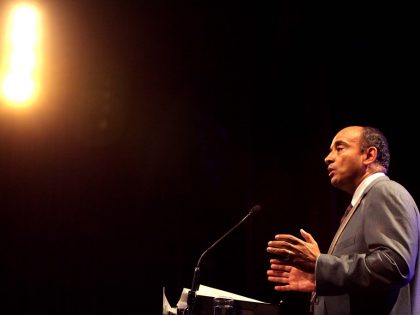
Kwame Anthony Appiah, the Ghanaian philosopher, talks about coming out as gay.
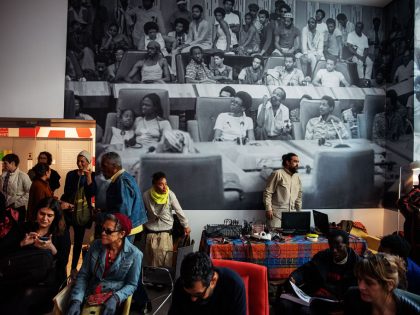
The Chimurenga arts collective explores the relevance of FESTAC, a near forgotten, epic black arts festival held in Nigeria in the mid-1970s, for our age.
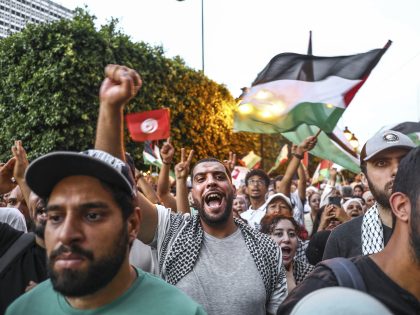
The ‘Sumud’ convoy from Tunis to Gaza is reviving the radical promise of pan-African solidarity and reclaiming an anticolonial tactic lost to history.
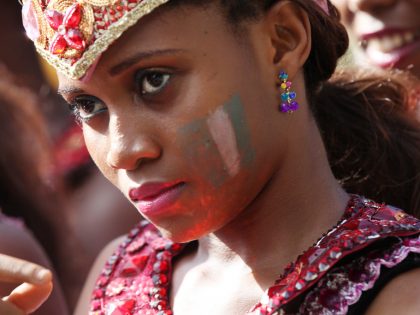
Nigerians’ anger and frustration are deservedly directed to their government. But few point to the special breed of Nigerians: the "Crazy Rich Nigerians."
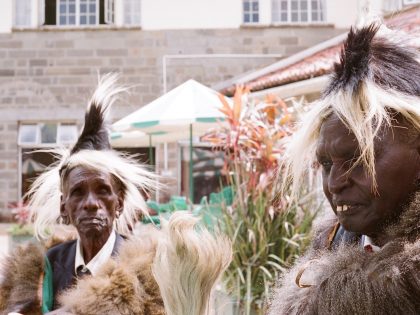
Colonial land grievances and the politics of redistribution in contemporary Kenya.
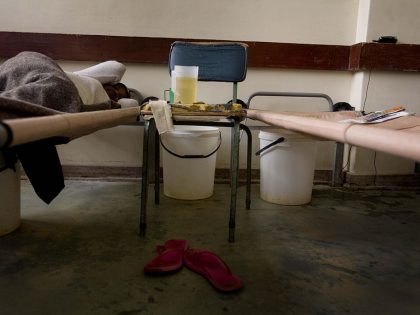
What lessons can we learn for today from the 2008-09 cholera outbreak in Zimbabwe?
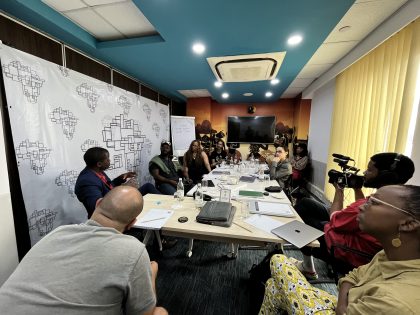
On our annual publishing break, Gaza’s genocide continues to unfold in real time yet slips from public grasp. This is not just a crisis of politics, but of how reality is mediated — and why we must build spaces where meaning can still take root.

The TV series "Watchmen" deserves credit for how it put unsung elements of black history into mainstream culture.
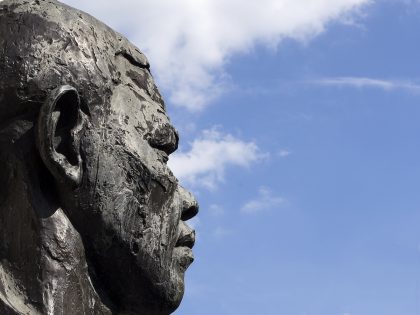
Nelson Mandela's life teaches us that being quarantined is not the end of politics, but for the regeneration of politics.
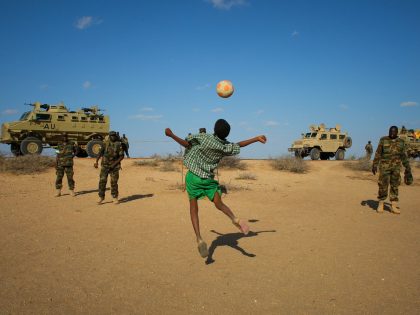
Football historian and broadcaster David Goldblatt’s new, encyclopedic book of football opens with a chapter on Africa. Here we republish an excerpt.
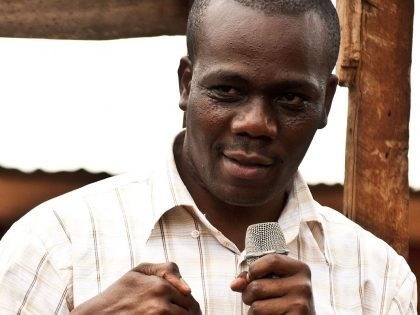
In a ruling party-dominated Tanzania, opposition parties are flawed but remain critically important.
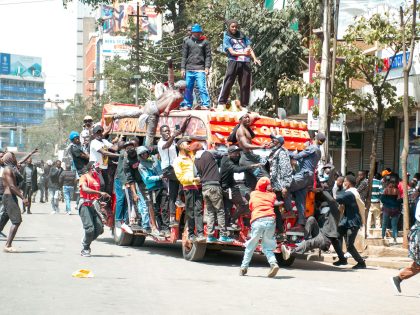
Kenya’s largest-ever protests have drawn striking comparisons to the Mau Mau uprising. But for today’s movement to endure, it must move beyond the streets and invest in political education.