Africa: The Final Frontier
The new colonialism: the Africa being carved up into game reserves and concession areas to provide exclusive eco experiences for the rich.
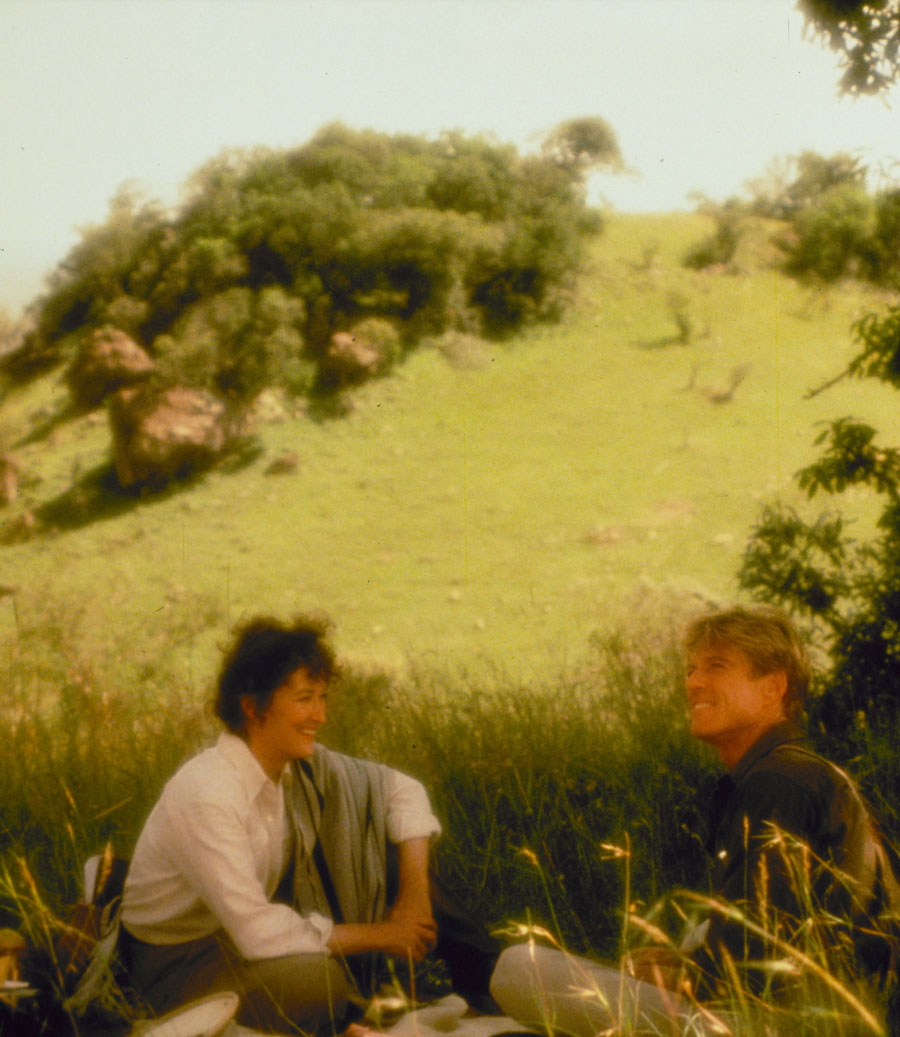
A still from the Hollywood film, ‘Out of Africa,’ a colonial fantasy set mostly on a
If you can afford it, you can’t afford to be without it. That would be the tagline for Spears Wealth Management Survey (WMS), a British magazine I had never heard of until yesterday, when I ran across this article: “Flight Mischief.” Seems their Caroline Phillips went traveling around the “hotspots” of East Africa via (what else?) helicopter to give us a glimpse of the good life. Here’s how she sets the scene: This is her first line: ” . . . Think of Tintin’s aeroplane, a pilot with the unlikely name of Sebastian Lamoureux and an elastoplast-sized virgin airstrip of gravel. Add to that a ragamuffin group of 40 black children crushing around the plane excitedly. Finally picture two machete-wielding workers and, walking behind them, a fellow in a spotless shirt, tie and suit trousers. This is the scene after our four-hour flight over the bush from Dar es Salaam to Kipili Bay on the shores of Lake Tanganyika, Tanzania.”
Surely this is satire? No. It’s just the lifestyles of the mega-rich, otherwise known as HNW (high net worth). And there’s more:
There’s something compelling about being in Africa: it reminds me of the Congo in Barbara Kingsolver’s Poisonwood Bible. The only other white people nearby are two Belgian and Dutch missionaries. It’s 166km one-way to collect the mail from Sumbawanga. (Reportedly locals have been murdering albinos there and then using their arms to dig for emeralds. Welcome to the voodoo capital of Tanzania.)
Uh huh.
Of course, we end on a serious note. Because besides being the “final frontier,” Africa is also the “land of opportunity,” although not the kind Obama spoke about during the kickoff for his Forum with Young African Leaders. Here, we are talking about the New Colonialism—the Africa being carved up into game reserves and concession areas to provide exclusive eco experiences for the HNW. But, Spear’s asks, should you invest in these ventures? Apparently, Kenya—the “Wild West” in this neat little tale spun by Phillips—remains on the brink of explosion.
H/T @SwampCottage.