
Cooking up the city
A new history of Mombasa shows how street food, colonial labor migration, and urban capitalism reshaped what — and how — Kenya eats.
A new history of Mombasa shows how street food, colonial labor migration, and urban capitalism reshaped what — and how — Kenya eats.
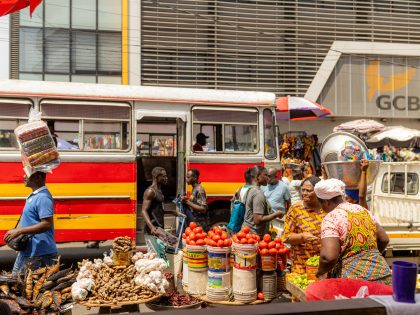
Illegal gold mining is poisoning Ghana’s soil and rivers, seeping into its crops and seafood, and turning the national food system into a long-term public health crisis.
A new movement is challenging the financial stranglehold of agribusiness and foreign lenders, arguing that Africa’s future lies not in extractive monocultures but in agroecology, sovereignty, and collective resistance.

In Nigeria, the drive to cut corners has turned food and drink into vectors of illness, sacrificing health and heritage at the altar of profit.
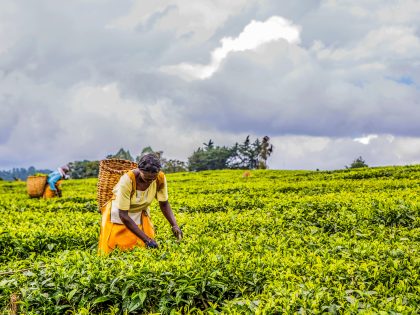
What will we eat in the future — and who gets to decide? From lab-grown meat to agroecology, the politics of food in Africa are being shaped by tech dreams, corporate agendas, and grassroots resistance.
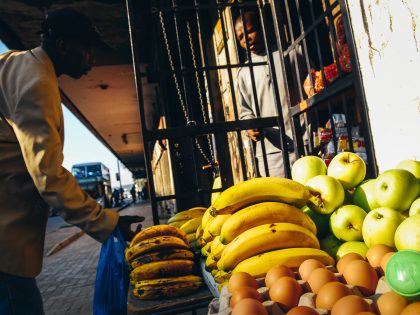
In South Africa, a spate of food poisoning incidents has ignited another round of xenophobic scaremongering.
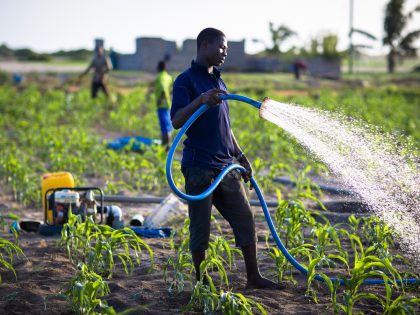
We often hear from Western donors that Africa suffers from food ‘scarcity.’ The real problem is the exploitation of African land, labor, and knowledge.
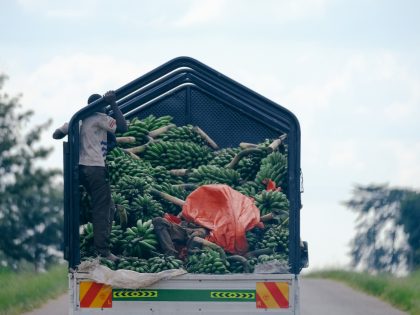
Western leftists are arguing among themselves about whether there will be bananas under socialism. In Africa, however, bananas do not necessarily represent the vagaries of capitalism.
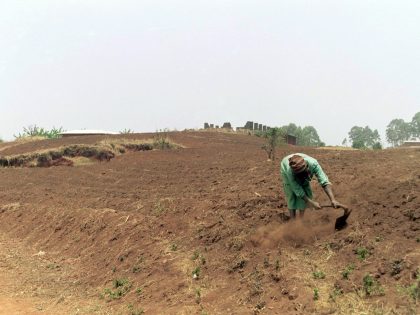
The changing structure of the Consultative Group for International Agricultural Research (CGIAR) threatens the food security of the Global South.
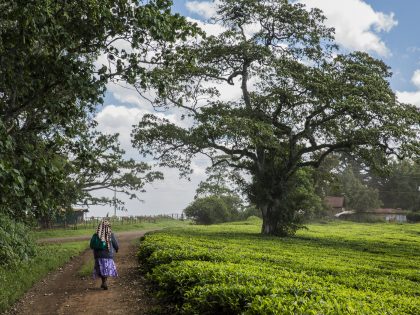
While it is clear that food insecurity threatens the life of millions of Kenyans, lifting the ban on GMOs is not the solution.
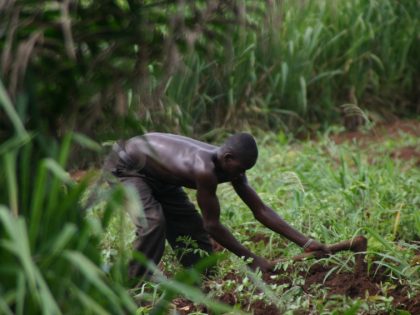
The consequences of Russia’s invasion of Ukraine for African food security and the need for greater food sovereignty.

Two tourists take a package trip to visit the Hadza people in Tanzania and are so jazzed with what they see, they make a podcast about it. What could go wrong?
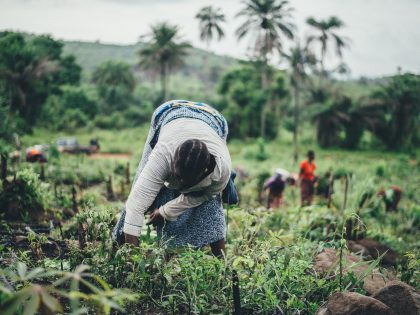
The Alliance for a Green Revolution in Africa was presented as a game-changer to address hunger. The consensus 15 years later: It failed.
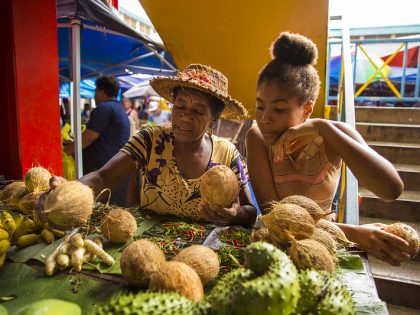
More than 500 indigenous and farmer organizations across the continents have raised their voices to expose the UN’s Food Systems Summit as only advocating one food system — so they’re being silenced.
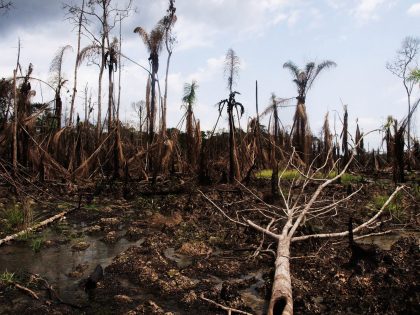
Climate activists and leftists should tread cautiously when they use the climate argument to support fossil fuel subsidy reform in Africa.

How pesticides banned in the European Union continue to be sold in Kenya, and with devastating impact.
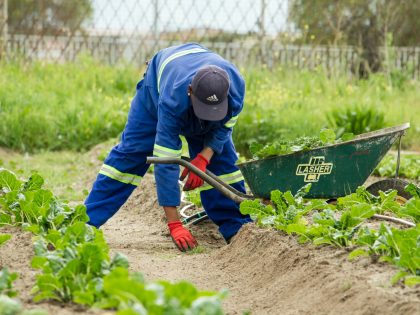
We can only end hunger when people have control over what they eat and how that food is produced.

The risk of obesity increases with socioeconomic status in several African countries, unlike in their European counterparts with comparable income levels.
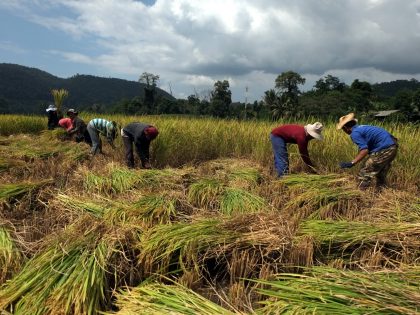
Why the World Food Program doesn't deserve the 2020 Nobel Peace Prize.

News reports claiming that “wet markets” in Asia are the source of the coronavirus obscure the fact that the consumption of wild animals is common in the West.