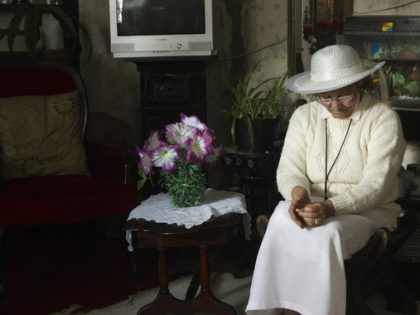
Elizabeth Barrett’s house on Harrington Street
Nicholas Eppel's photographs of a working class woman's home life in central Cape Town doubles as a chronicle of the city's gentrification.
Nicholas Eppel's photographs of a working class woman's home life in central Cape Town doubles as a chronicle of the city's gentrification.
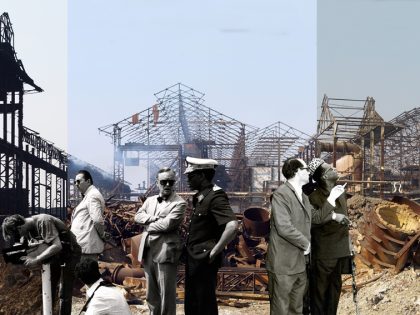
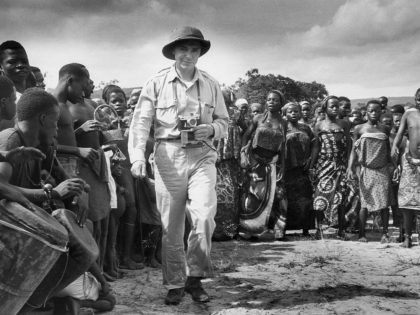
The photographer, Elliot Elisofon's 'choice' of what to see and how was embedded in a visual colonial archive. It was never a unique choice.
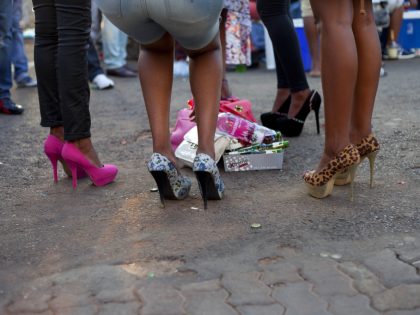
Muntu Vilakazi photographs the 'Politics of Bling' on Johannesburg's East Rand.
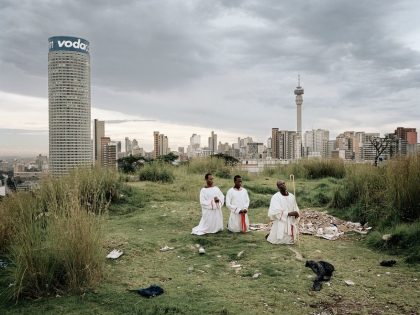
The 54-storey building in Johannesburg, built in the 1970s, is the tallest residential building on the continent, and subject of a new photobook.
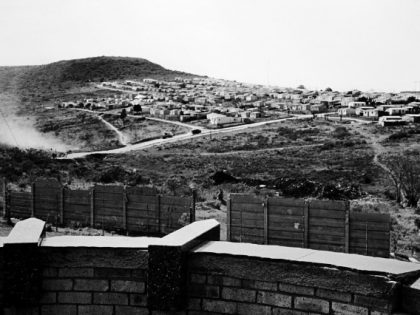

After years in South Africa, Ng'ok's work now explores her own relation to places, people and spaces of her native Nairobi.
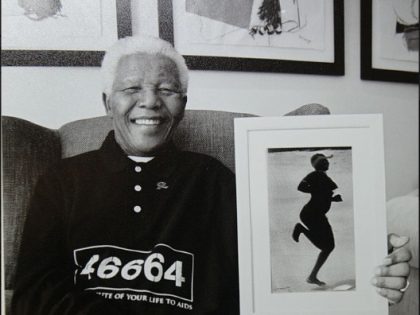
Apartheid's prisons tolerated 'National Geographic; For Nelson Mandela, who knew better, it was porn.
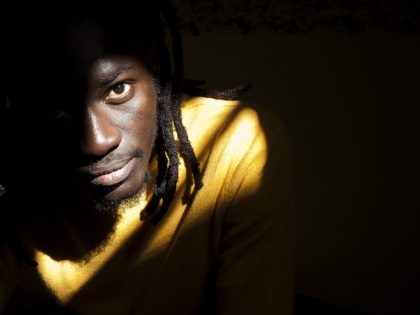
How does one hold on to a deeply rooted sense of self, a cultural identity, and make new paths to adapt and make new forms of home?
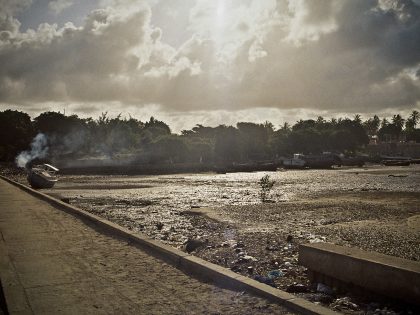
A Kenyan film asks in order to evolve, what part of ourselves do we keep and what part do we leave behind.
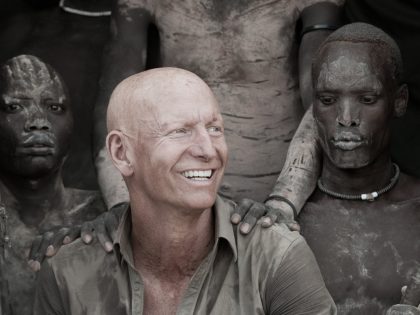
Jimmy Nelson's photographs are deliberately constructed to capitalize on his own vision of these groups.
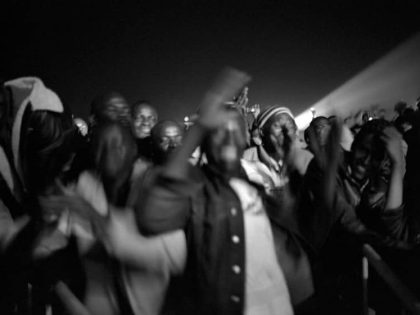
Since 1999, Contreras has documented, via documentary films, radio programs and photographs, dramatic changes to the Sahara.
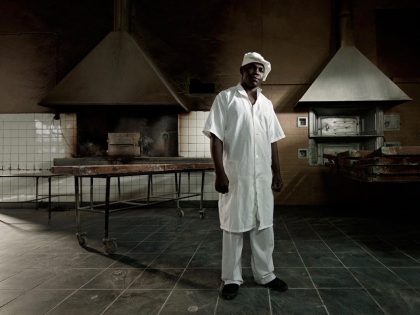
The work of photographer Felipe Branquinho, which portrays workers and working class people in their urban surroundings in Mozambique.
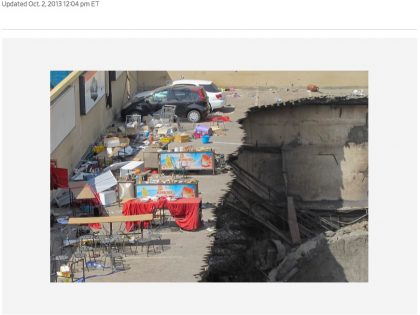
The photographs of the terror attack at Nairobi's Westgate Mall depict an ordinary day for people at the mall gone terribly wrong.
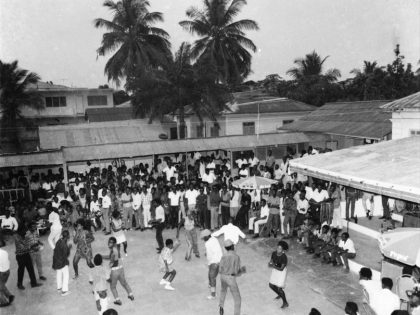
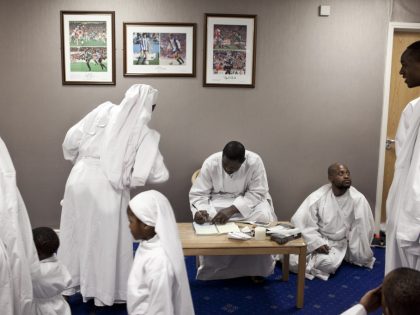
The UK is jokingly referred to as Harare North for its sizable Zimbabwean diaspora, second only to South Africa. This photo essay captures that world.
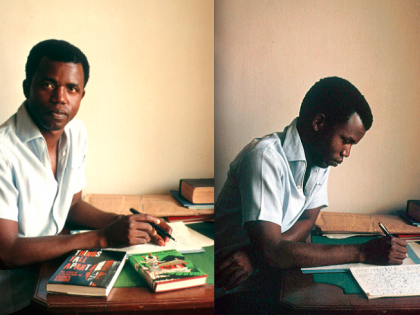
The story of how the most famous portrait of a young Chinua Achebe was taken at his house in Enugu, Nigeria in 1959 by American photographer, Eliot Elisofon.
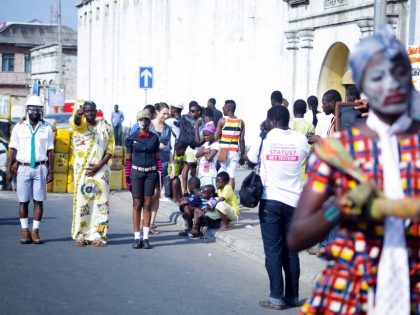
Considering James Town's weighty history, which played a huge part in shaping Ghana, it seems only right that when re-imagining a future Accra we start at the place where the city began.