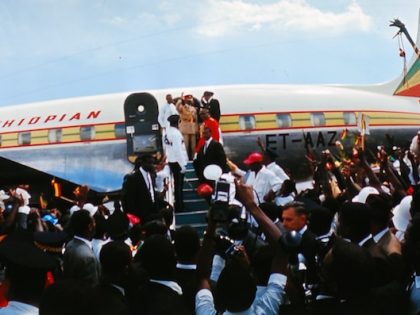
When Haile Selassie went to Jamaica in 1966
The 21 April 1966 visit by Ethiopian emperor Haile Selassie to Jamaica casts a big spell over the appeal of Ethiopia to Rasta and how Ethiopians perceive Rasta in turn.
The 21 April 1966 visit by Ethiopian emperor Haile Selassie to Jamaica casts a big spell over the appeal of Ethiopia to Rasta and how Ethiopians perceive Rasta in turn.
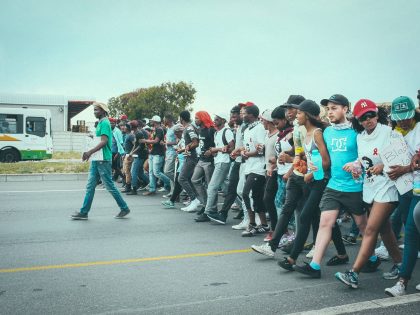
Martin Legassick (1940-2016) was key to revisionist tradition among South African historians that made connections between apartheid and post-war capitalism.
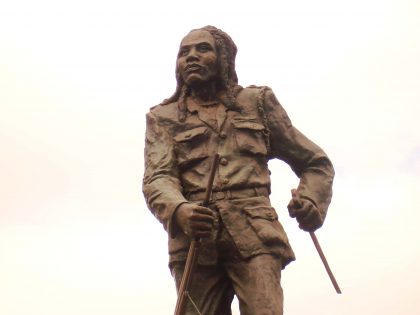
Kimati's image has long stood in, symbolically, for the ideals and lost hopes of revolutionary decolonization in Kenya.
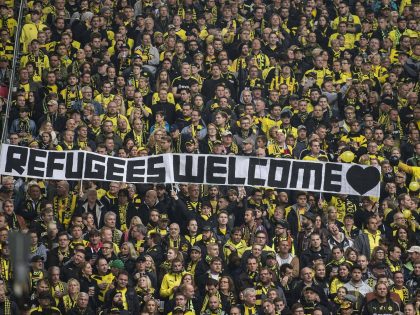
For all the good press, the majority of German society are uncomfortable with people who frame their demands from a postcolonial perspective.
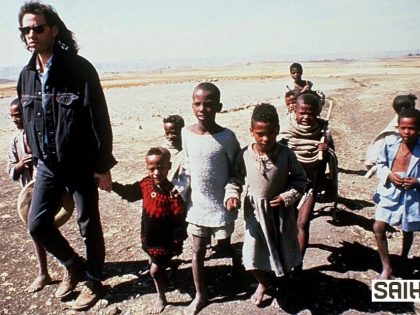
Humanitarian images have obscured the causes and political complexities of disasters, and undermined the agency of their victims — both symbolically and practically.
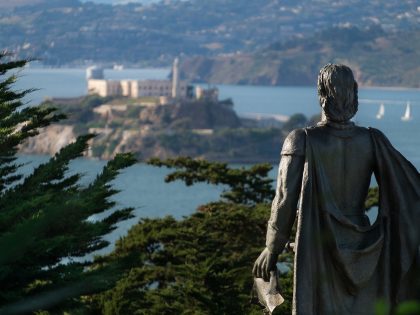
Before Columbus’ arrival, there were already millions of people living in America, who we could say had “discovered it."
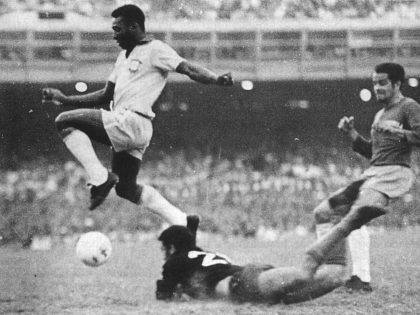
From July 1967 to January 1970, Nigeria was engaged in civil war. Apparently, one person could make the war pause: The G.O.A.T., Pelé.

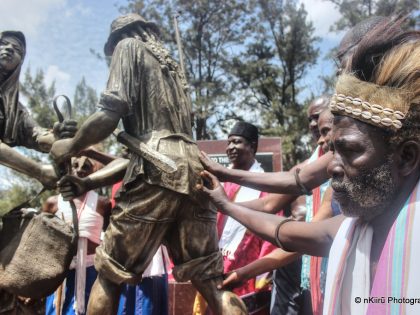
Kenyans choose to forget that the Kenya Land and Freedom army (also known as Mau Mau) did not fight for a monument. They fought for land.

The Dominican state and the country's elites make up a history of conflict with Haiti to justify the periodic deportation of Haitians in the Dominican Republic.
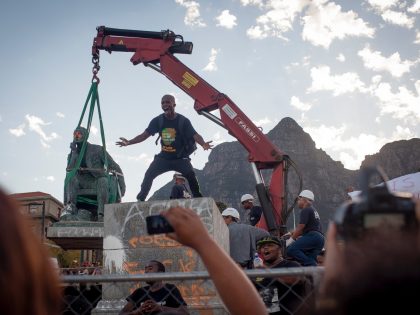
The Rhodes Must Fall movement is starting a much-needed conversation about the institutional roots of racism at universities in the West. Hopefully that conversation will lead to solutions.
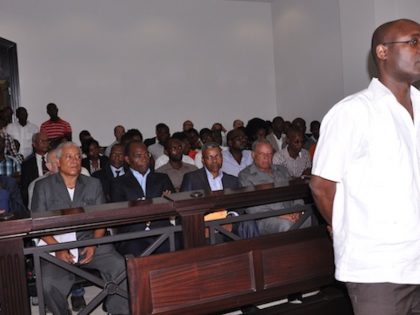
The irony and the absurdity that the case against journalist Rafael Marques — an opponent of state corruption in Angola — is being heard in a former slave house.
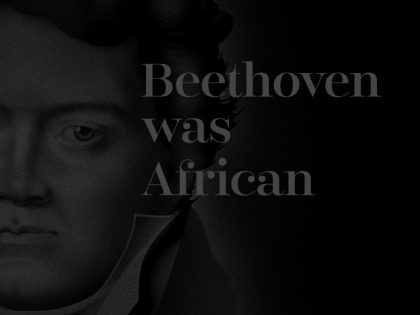
There's even an album to advance this argument: "Beethoven Was African: Polyrhythmic Piano Sonatas."
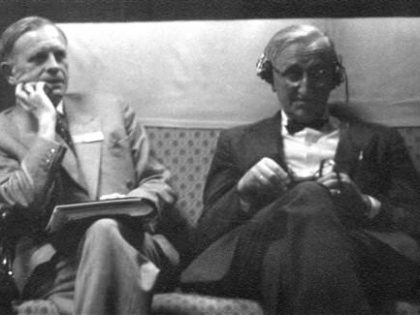
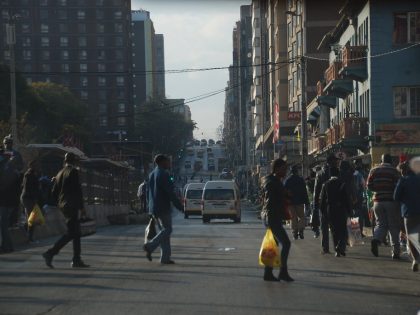
The truth of our global age is that autochthony, nativism, or heritage no longer define us exclusively. So, solidarity based on phenotype or heritage is dangerous.
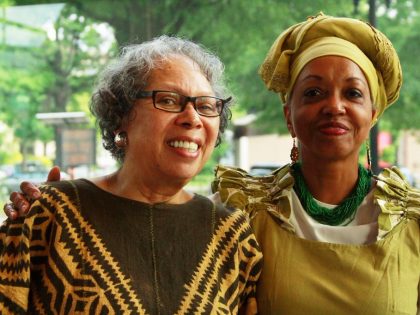
Yvonne Seon, later a college professor, thought Lumumba was a “decisive leader” that “cared deeply about his people."
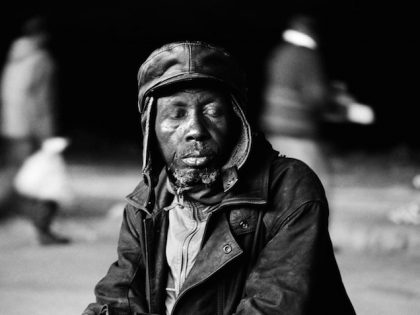
Santu Mofokeng’s photographs keep you wanting to know who are these people, what's their sophistications, and what's going to happen to these aspirations?
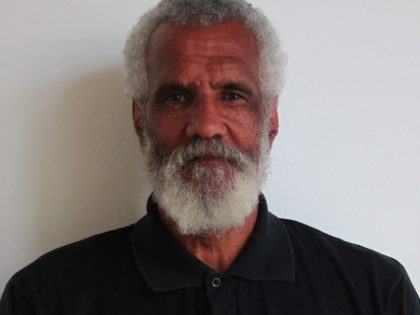
The life and times of Mr Peter Buckton, a worker at the University of Cape Town in South Africa, which is currently the focus of student protests.