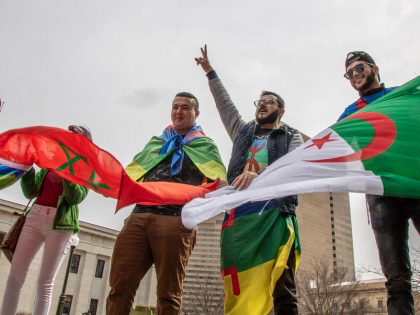
We are all brothers
Protestors in Algeria, the US, and elsewhere must begin to imagine what a new, grassroots Third-Worldism of the 21st century may look like.
Protestors in Algeria, the US, and elsewhere must begin to imagine what a new, grassroots Third-Worldism of the 21st century may look like.
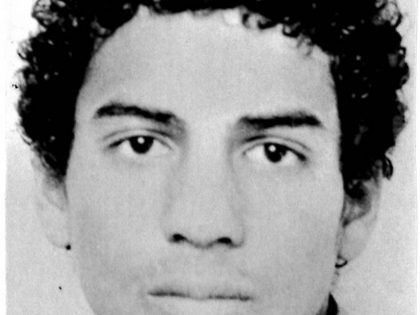
Ashley Kriel, murdered on 9 July 1987, embodied a kind of politics that people feel are missing from South African politics today: tireless commitment and sacrifice.
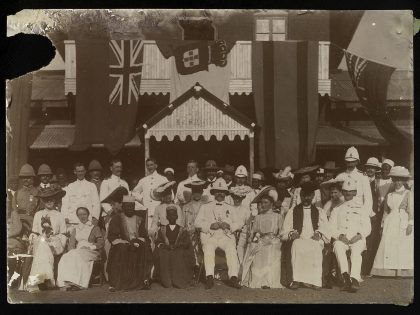
The parallels between COVID-19 and the 1910s in Kampala, when thecolonial regime used a series of plagues to cut Ugandans out of the capital city.
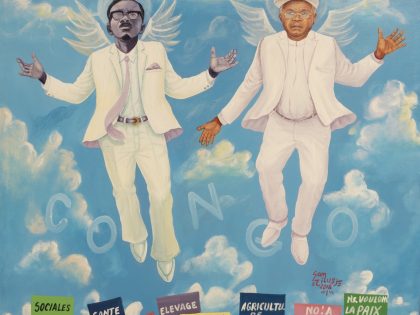
On anniversary of the birthday of Patrice Lumumba, the first prime minister of an independent Congo, we ask, "What iconography arose around him, and why is that iconography so diverse?"
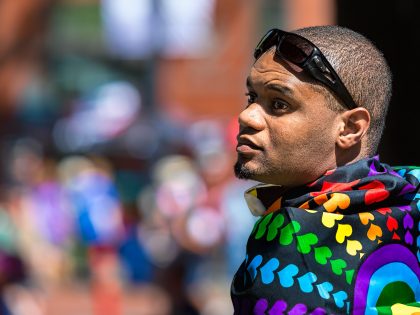
In honor of Pride month, we revisit the past which shows that many Africans were unapologetic about their sexuality and gender non-conformity.
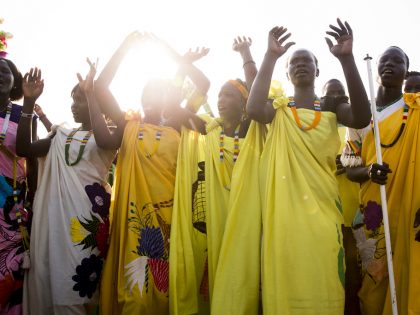
During the Cold War, Khartoum was very successful at frustrating solidarity by other Africans for South Sudan's independence struggle.
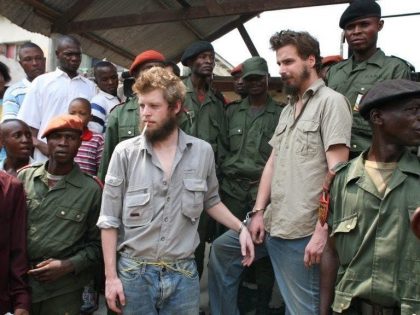
What does the decade-old “Congo-case,” involving two Norwegian mercenaries, tell us about residue coloniality in Scandinavia?
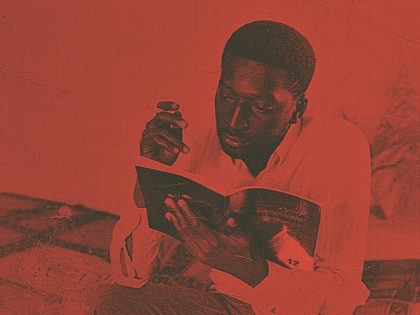
In 1973, Senegalese activist and artist Omar Blondin Diop died in a Senegalese prison. His life helps reveal what revolutionary politics look like in a neocolonial state.
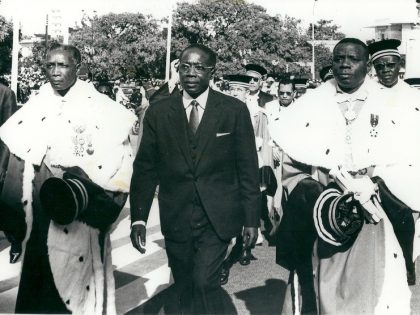
Once you've exhausted all the Negritude quotes, you have to confront the fact that Leopold Sedar Senghor ran Senegal as a repressive, one-party state.
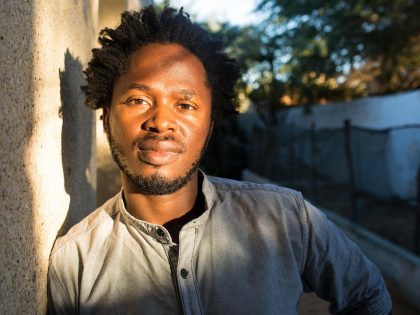
Africans rarely re-evaluate ourselves, the basis of our knowledge and our traditions on our own terms, argues Sierra Leonean writer Ishmael Beah.
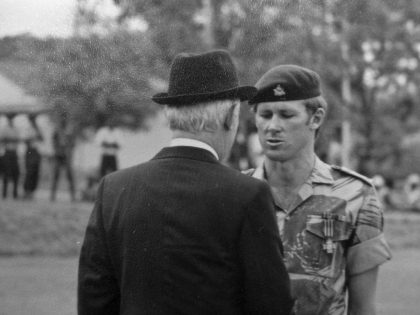
Rethinking white societies in Southern Africa from the 1930s to the 1990s, particularly the region’s white workers and white poor and their relationship with white-ruled states.
How colonial Portugal, to project the idea of a multi-continental and multiracial country, initiated a drive to encourage white settlement in Angola and Mozambique.

Can African scholars write different histories about settler societies — especially as Africans or Africanist scholars based in Africa or in the diaspora? The case of Rhodesia (later Zimbabwe) is instructive.
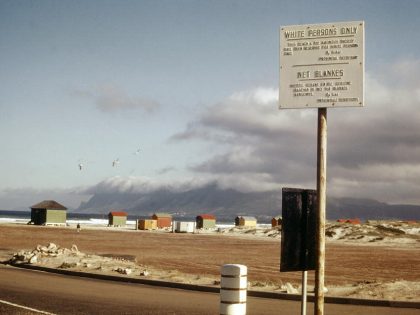
How did South Africa’s white working class — those close to the politicized black workforce — experience the reform of apartheid?
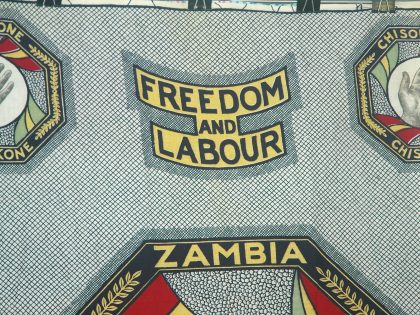
Why did white mineworkers on the Zambian Copperbelt not seriously resist decolonization?

What can we learn from the 256 hours of audio recordings of the 1964 Rivonia Trial's proceedings?
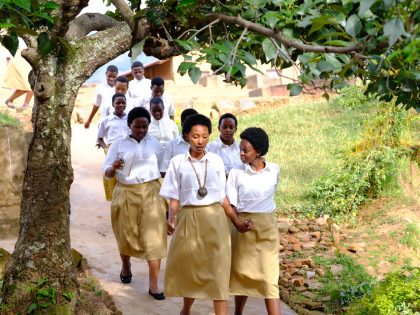
Because of the 1994 genocide, Rwanda occupies a complicated place in the world’s imagination. A new film, about the preceding 1973 pogrom, wants to demystify that view. Does it succeed?
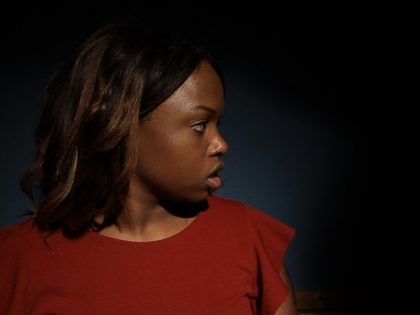
A post-colonial visual meditation on archive, memory, and colonial violence.
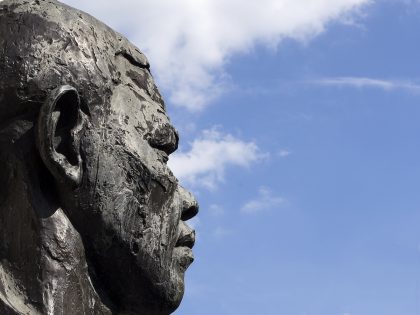
Nelson Mandela's life teaches us that being quarantined is not the end of politics, but for the regeneration of politics.
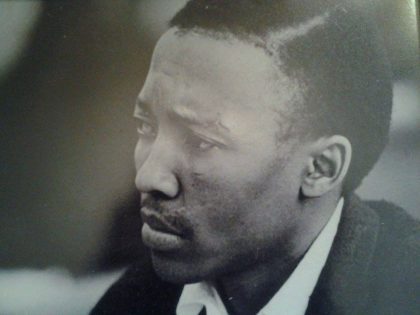
How partisanship distorts the construction and narration of public memory about historical events, especially the resistance against apartheid.