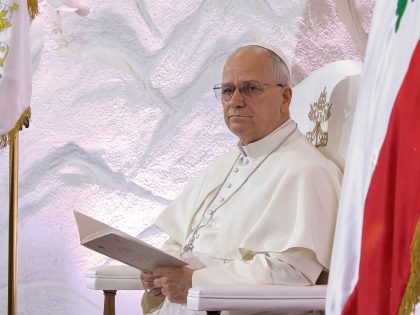
Pilgrimage to power
From John Paul II to Benedict XVI, papal visits to Cameroon have often come when Paul Biya’s government faced political turmoil.
From John Paul II to Benedict XVI, papal visits to Cameroon have often come when Paul Biya’s government faced political turmoil.
The potential return of exiled cleric Mahmoud Dicko to Mali could challenge jihadist movements by reopening political space and contesting their claim to religious authority.
France’s mass deportation orders reveal how colonial logics persist in migration policy, turning former subjects into administrative problems to be expelled.
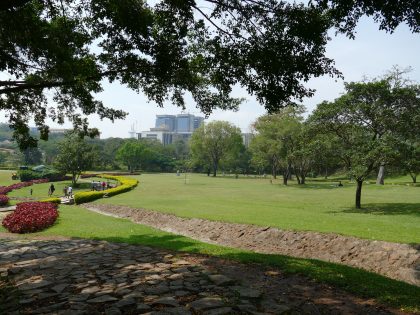
The Federal Capital Territory’s green belts were designed as flood buffers and cooling lungs. But under its current leadership, they are becoming patronage spoils.
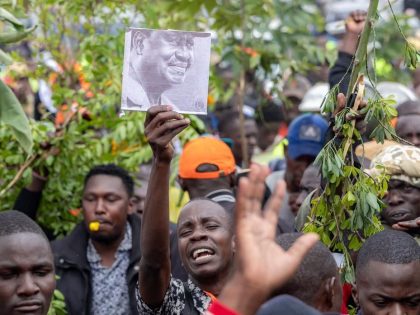
The passing of Raila Odinga has unsettled Kenya’s political equilibrium, exposing a crowded field of veterans, opportunists, and activists, alongside a growing generational demand to reclaim power from an aging elite.
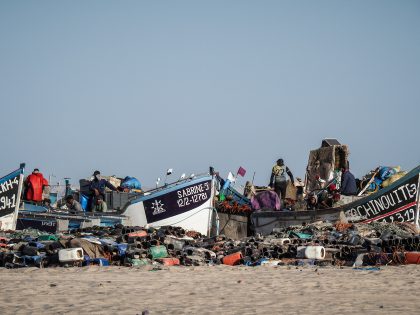
At the UN’s annual Western Sahara debate, everyone gets heard except the Sahrawis themselves.
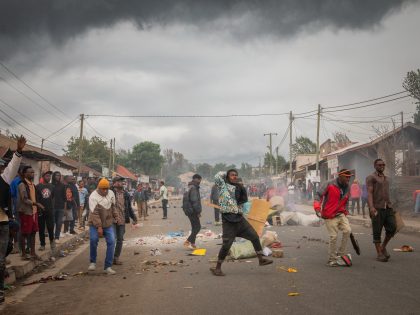
In Tanzania, the Gen Z uprising meets a state whose old bargains have collapsed.
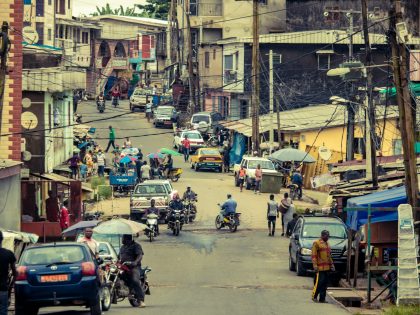
Cameroon’s president has ruled for over four decades by silence and survival. Now, with dynastic succession looming and no clear exit strategy, the country teeters between inertia and implosion.
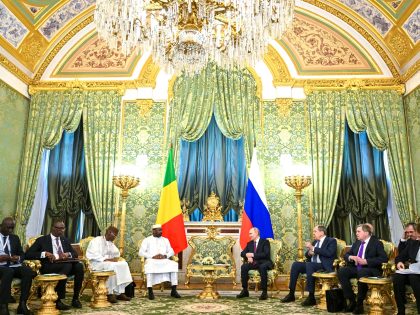
Assimi Goïta’s regime has built its legitimacy on defiance of the West and promises of renewal. But with increasing internal pressure, a turn to Moscow risks deepened dependency.

In Nigeria, the drive to cut corners has turned food and drink into vectors of illness, sacrificing health and heritage at the altar of profit.
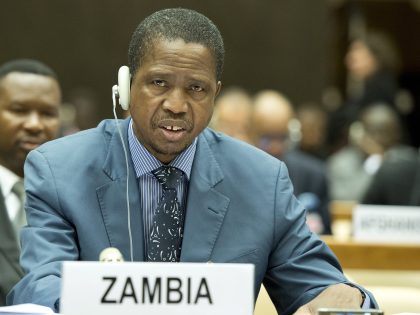
What happens when a former president suddenly dies? The curious case of Edgar Lungu.
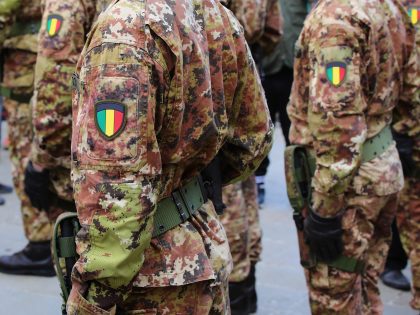
Despite the popularity of the Sahel's military leaders internationally, most Malians have yet to see improvement to their material conditions at home.
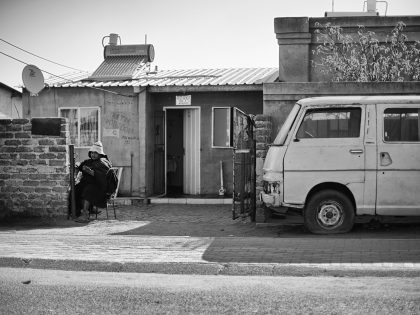
Three decades after apartheid, South Africans are still waiting for housing, land, and dignity — while elites ask for patience that serves only themselves.
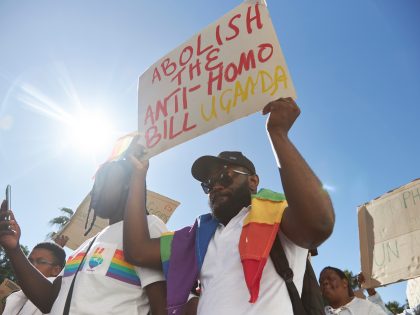
Anti-queer laws in Africa are often framed as cultural defense — but their roots lie in colonial legacies, religious nationalism, and global reactionary alliances.
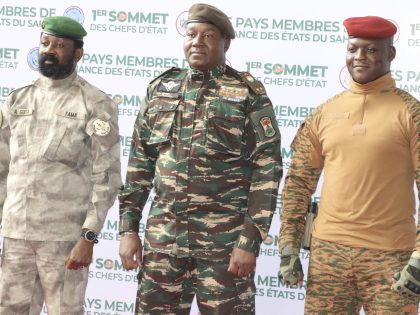
Breaking from ECOWAS and Western influence, the Alliance of Sahel States signals a geopolitical shift — but can it deliver real stability?

The South African government’s rush to clear visa applications has led to mass rejections, bureaucratic chaos, and an overloaded appeals system — leaving thousands in limbo.

In Mauritius, social media memes and leaks exposed corruption, galvanized youth, and reshaped the nation’s political landscape.
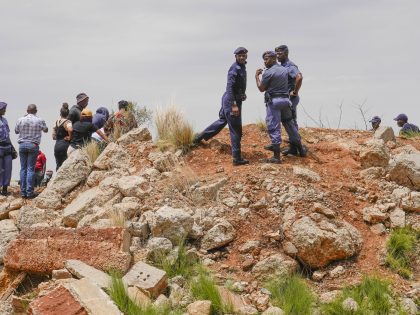
The massacre of artisanal miners in Stilfontein exposes the South African state’s violent allegiance to corporate interests and a long legacy of extraction and dispossession.
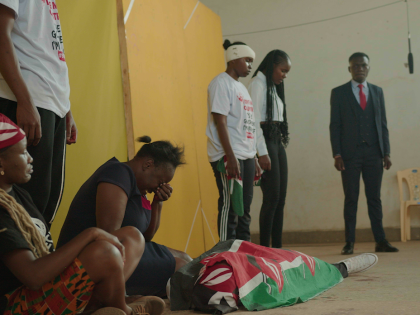
Kenya’s youth are turning to theater, music, and film as tools of resistance against political injustices and systemic failures.
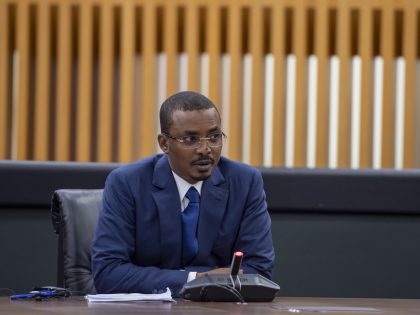
Mahamat Déby’s rule in Chad follows a familiar script of military power, political repression, and shifting alliances in an increasingly unstable Sahel.