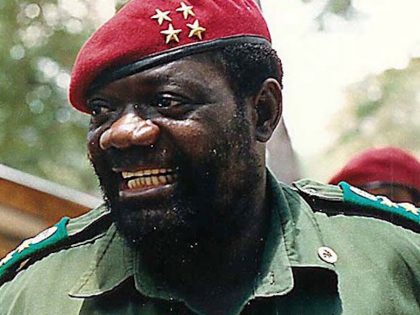
How to remember Jonas Savimbi
Sixteen years after the end of the Angolan civil war, the Angolan state considers how to properly remember and memorialize the leader of UNITA.
Search Result(s) for: “Angola”
Sixteen years after the end of the Angolan civil war, the Angolan state considers how to properly remember and memorialize the leader of UNITA.
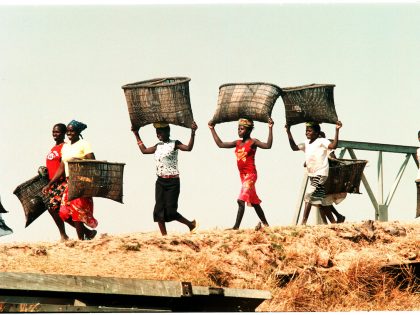
A series of photos documenting the contemporary state of the site of perhaps the most decisive battle in the liberation of Southern Africa.
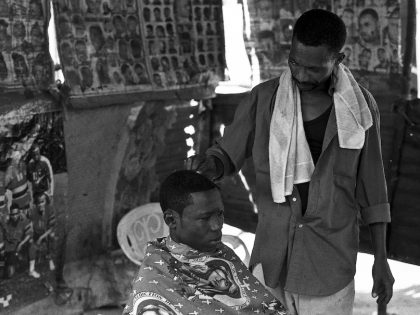
How Nito Alves has become the symbol of a slowly emerging movement that has shaken the Angolan government’s narrative of post-conflict stability.

Ekwa Msangi, realizadora Tanzaniana-Americana, mostra a história de muitos imigrantes com a experiência de uma família angolana de imigração.
How the Palancas Negras won the hearts of Angolan football fans.
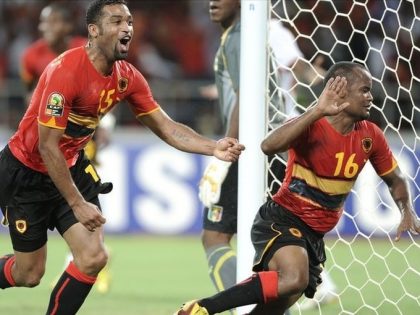
What we learned from Day 8 of the 2013 African Cup of Nations.
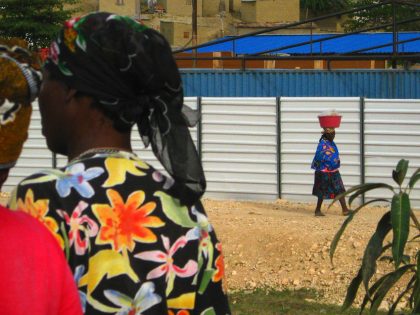
Those who pay the highest price for the high cost of living in the Angolan capital are not expatriates, but Angolans.
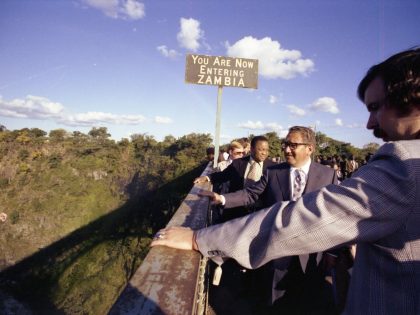
In the 1970s, Kissinger believed that the liberation of southern Africa from white-minority rule represented a Cold War setback.
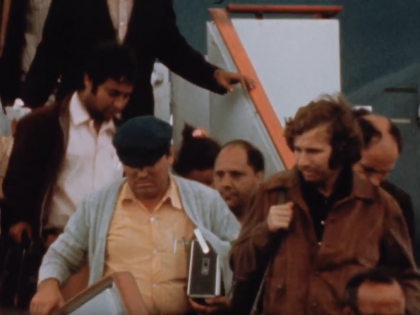
White settler returnees to Portugal in 1975, and the history of decolonization, can help us understand the complicated category of refugee.
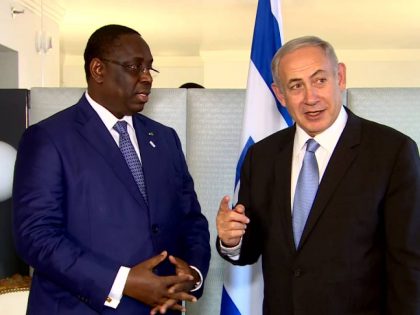
Israel’s recent rapprochement to African states is part of a coordinated effort by the government to get close to African countries.
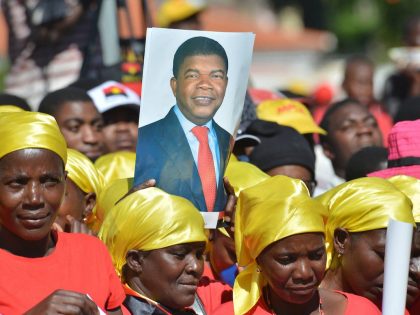
Preocupado em atrair investimentos estrangeiros e combater à corrupção ao administrar uma divisão no partido no poder, o presidente angolano João Lourenço ignora o seu aliado mais forte: a sociedade civil jovem.

I asked African and Africanist thinkers and commentators what they make of Syriza's approach to dealing with creditors and what wider connections they can draw to our conditions.
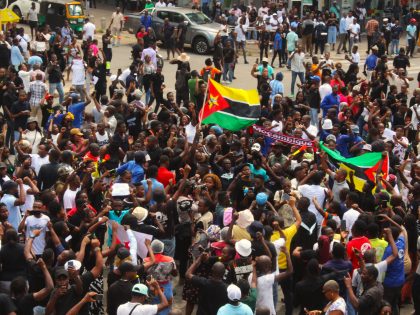
À medida que Moçambique se aproxima dos 50 anos de independência, seu partido no poder se agarra ao poder em meio à turbulência política, eleições contestadas e crescente descontentamento público.
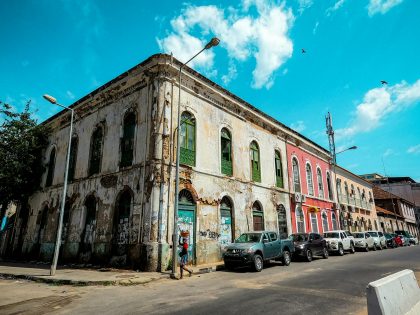
The writings of revolutionary Angolan leader and intellectual Mário Pinto de Andrade helped galvanize the independence struggle. They are now available in English.
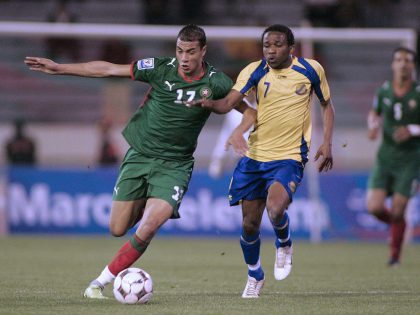
Even if Morrocco does not get pass the first round of the 2013 African Cup of Nations, we should be happy that at least we qualified for the tournament.


The funeral of popular Angolan musician Nagrelha underscored his capacity to mobilize people and it reminds us that popular culture offers a kind of Rorschach test for the body politic.
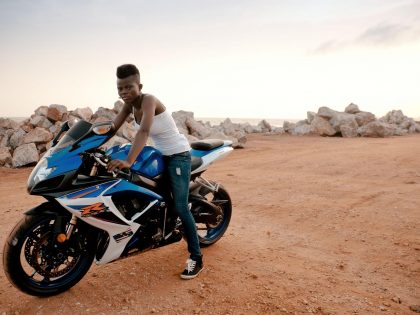
Afripedia is a visual guide to contemporary urban culture on the continent.
The national football team's oach Lúcio Antunes: “We respect all our opponents but we are not afraid of anyone.”
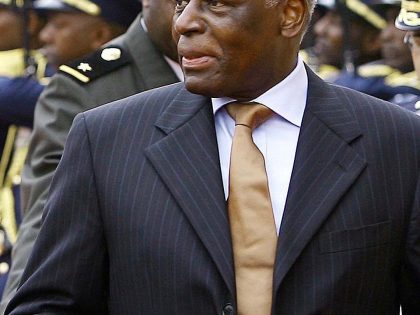
Rafael Marques de Morais, despite being labeled a foreign agent by the Angolan state, has always insisted that Angolans need to resolve their own problems.