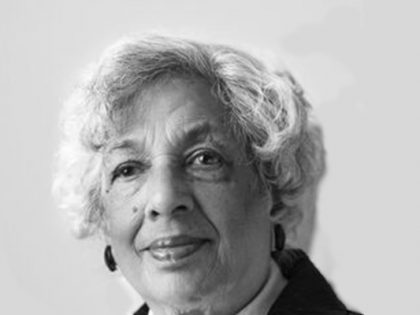
Remembering Emma Gama Pinto
To those who did not know Emma Gama Pinto, she was just “the wife of Pio Gama Pinto,” the Kenyan anticolonial fighter, but to those who knew her, she was fearless in her own right.
Search Result(s) for: “india”
To those who did not know Emma Gama Pinto, she was just “the wife of Pio Gama Pinto,” the Kenyan anticolonial fighter, but to those who knew her, she was fearless in her own right.
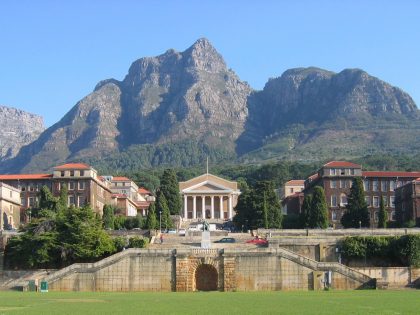
One of South Africa's leading universities, UCT, released a curriculum change framework post-#RhodeMustFall. This is a critique by two alum.
This is number three in our weekly round up of economics news. Written and compiled by Grieve Chelwa.
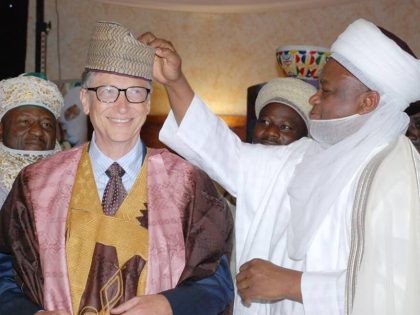
When you have as much money as the Gates Foundation, you can buy your way into some pretty powerful places.
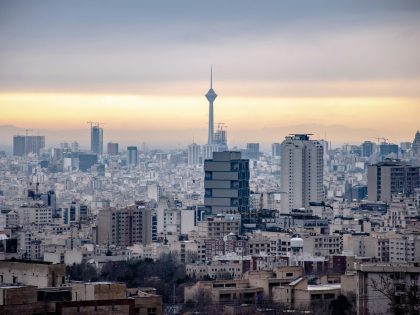
Israel’s campaigns in Gaza, Lebanon, and Iran are not discrete crises but interconnected fronts in a broader project of regional dominance.

The US-Israeli war on Iran is the latest expression of a long imperial pattern — one shaped by opportunistic intervention, Western alignment, and the enduring racialized logic of empire.
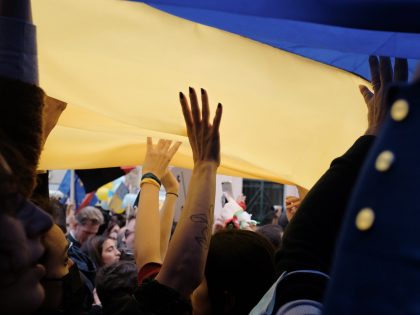
Russia’s war with Ukraine has inaugurated the new Cold War most feared, and some wanted. Which side are you on?
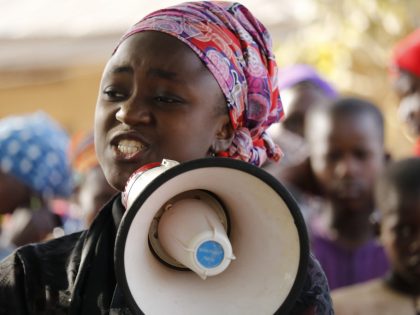
Would white women in the US have supported #MeToo in the same way if it had been started by women elsewhere in the world?
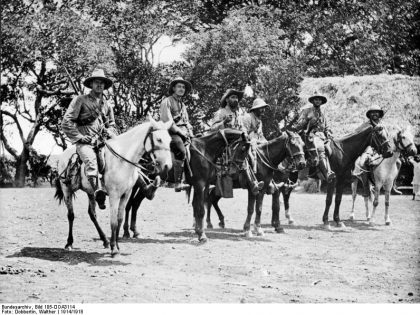
Gurnah’s Nobel Prize invites us to ponder Germany’s colonial past between the Scramble for Africa and the First World War in what is now Tanzania, Burundi, and Rwanda.
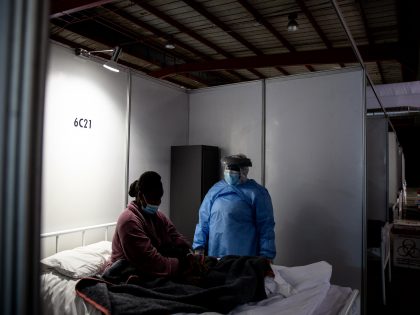
Just ten nations have administered 75% of the vaccines worldwide. Countries like South Africa are being left behind.
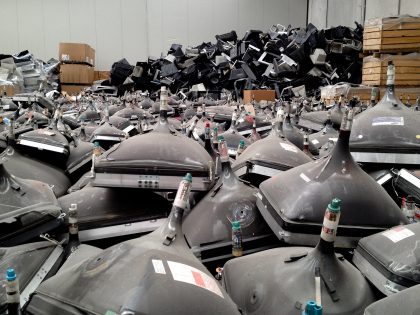
On the back of a failed COP26 climate conference: how e-waste dumping by European countries in Africa contribute significantly to climate change.
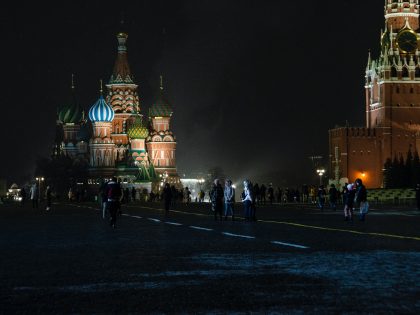
Although the material basis for today’s non-alignment movement stems from the constraints imposed on the developing world by American economic primacy, counterbalancing Western encirclement need not mean a pivot East.
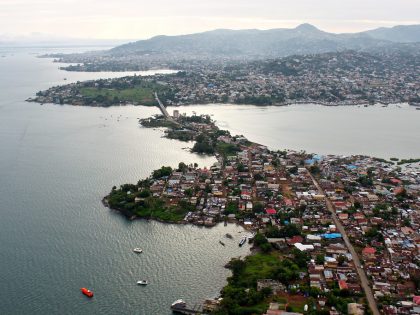
The Liberian academic and writer talks about citizenship, belonging, and what unites her fragmented nation.
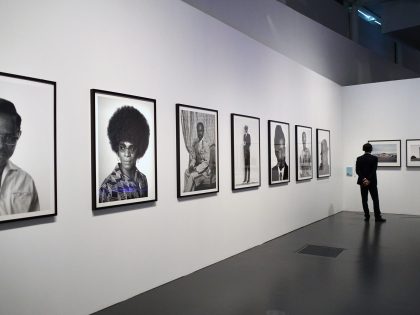
After World War II, the Soviet Union and the United States were not only locked in an ideological struggle with each other, but also competed with an anticolonial vision of modernity, an ideology which is still influential today.

Intellectual property protection has never been shown to promote economic development in developing countries.


First class cricket in South Africa, once a white man's preserve, is now technically open to all, but it is a game of money, dazzle, dancing girls and quick results.
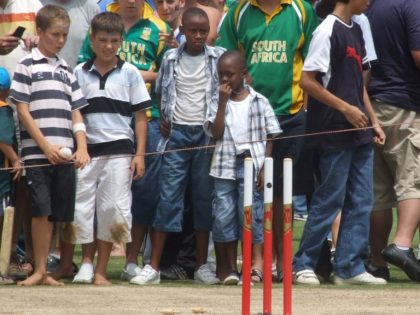
The news that J.M. Coetzee had contributed to a book entitled "Australia: Story of a Cricket Country" rankled the author, a committed Coetzeephile, slightly.
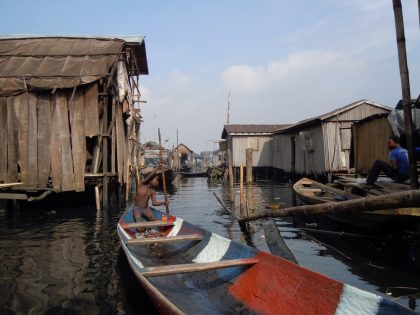
Anticorruption activist, Chuma Nwokolo, reflects on the pervasive nature of official corruption in Nigeria.

Music’s ingratiating moral mask has withered, revealing a disfigured face whose true ethical philosophy is, as Lauryn Hill once noted, “paper thin.”