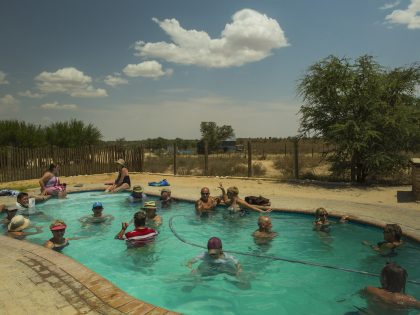
Challenging whiteness in South Africa
White South Africans rarely look in the proverbial mirror to reflect on where they come from and how those histories shape their current realities.
Search Result(s) for: “apartheid”
White South Africans rarely look in the proverbial mirror to reflect on where they come from and how those histories shape their current realities.
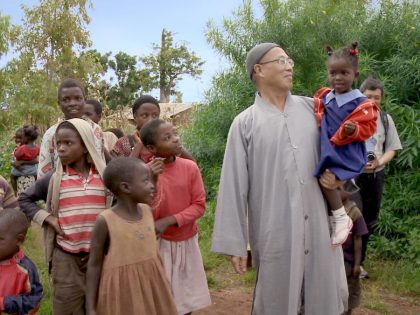
A new documentary about China's colonization of Malawi reveals how one colonial hand opens the door for another.
We are on our annual publishing break until August 28th. Please check our Twitter and Facebook pages for posts and updates until then.
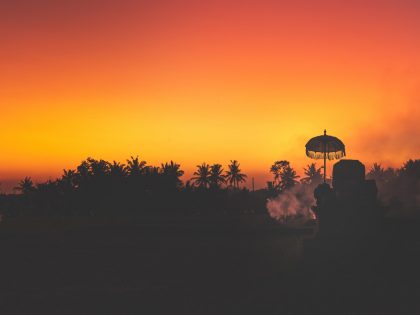
During the COVID-19 pandemic many people who work online were able to set up shop in lands far away from their pre-pandemic homes. But, for whom is the digital nomad lifestyle?
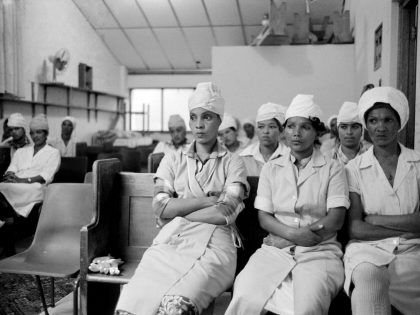
Dennis Brutus described Arthur Nortje as “perhaps the best South African poet of our time.”
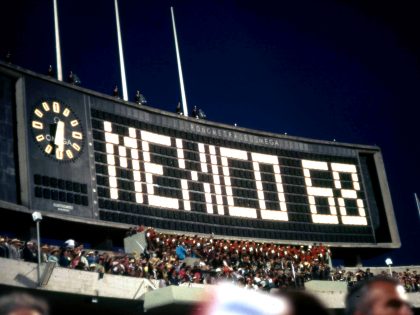
A homage to a true pan-African athlete-activist, Lee Evans, who at the Olympics Games in 1968 broke the 400-meter world record and embarked on a life of political activism.
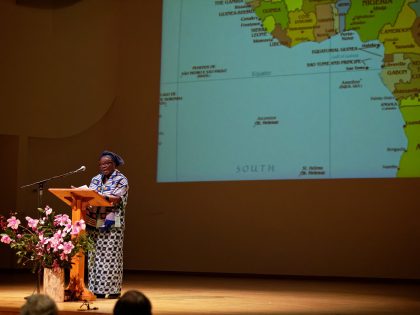
The leading African writers and creative artists who are reimagining Christian thought and the several Christian-inspired groups who are transforming religious practice.
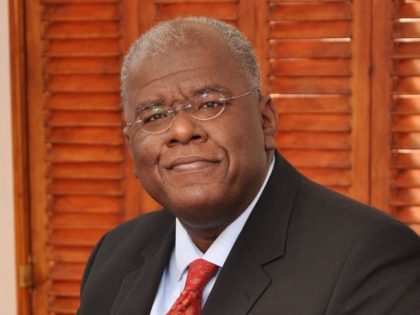
Jonathan Jansen channels the worst versions of average center right American ideas in debates about transforming South African universities.
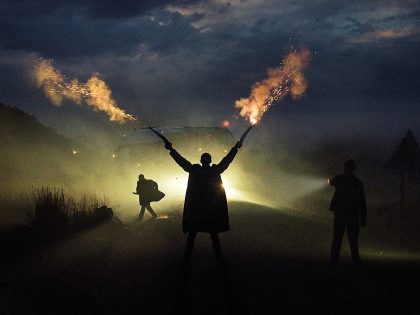
An interview with the South African director and writer of 'Five Fingers for Marseilles,' a Western set in that country, and starring an all black cast.
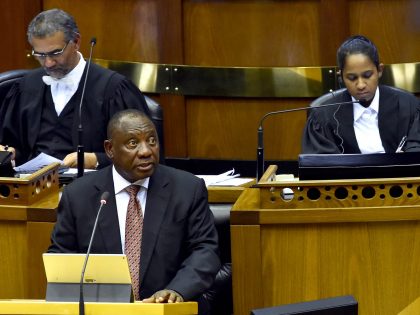
Reflecting upon the Jacob Zuma tenure at the head of South Africa and the prospects of a Cyril Ramaphosa presidency.
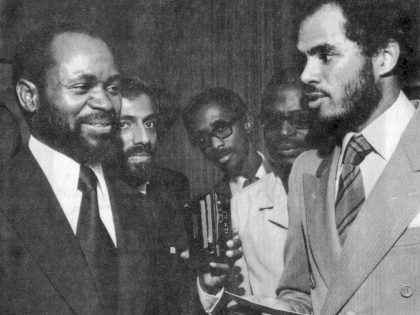
The films of Robert Van Lierop and Margaret Dickson chronicled anti-imperial struggles in Mozambique.
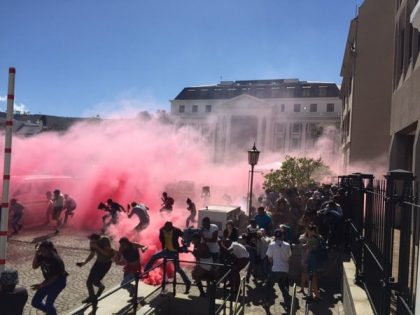
We are in a new phase, one that is characterised by a rejection of compromise as a tactic for managing democratic intercourse.
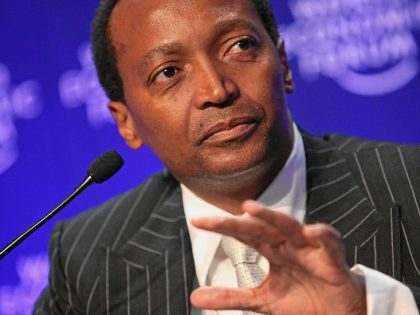
Motsepe was named South Africa’s first black dollar billionaire by Forbes Magazine.
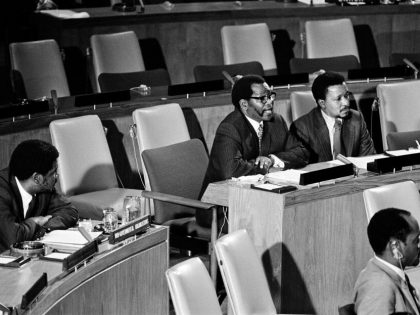
Learning that Radio Freedom, the exiled ANC's radio service, broadcast in Afrikaans, further undermines the idea of the language as belonging to the oppressor.
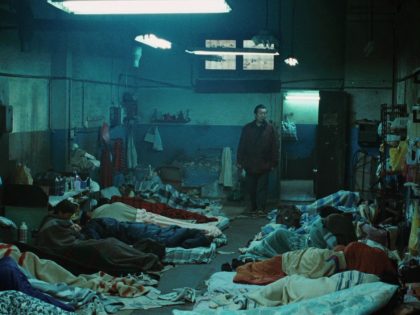
As a filmmaker, Matsetela wants to be an alternative voice, in a topography that’s filled with stories by others, like Django Unchained, defining black people.
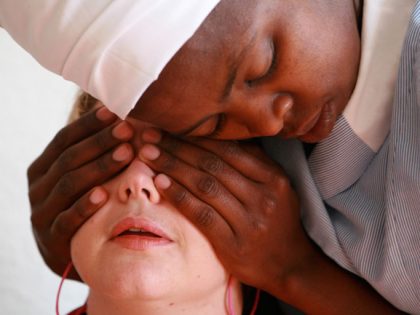
South Africa has 52 million people. Around 1.1 million are domestic workers. 54,000 of those are under the age of fifteen.
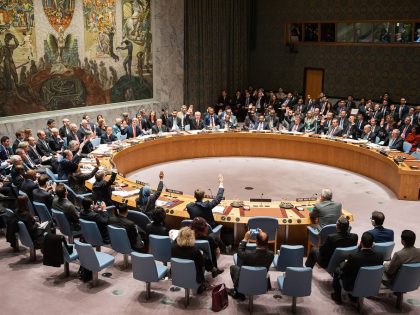
Hostile at first, in the wake of the Cold War, Israel-Angolan relations have morphed into a friendly and lucrative bond.
We tell our stories when we are ready. This story is about the child sexual abuse I experienced at the hands of Anglican priests in South Africa.
We are not just marking the end of 2019, but also the end of a momentous, if frustrating decade for building a more humane, caring future for Africans.