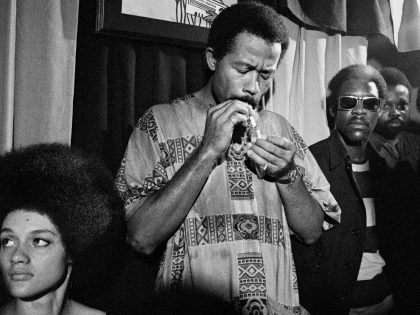
Algeria and the Black Panthers
In the 1970s, Algiers served as refuge to African Americans who confronted US racism with force and had to flee the country. Some Panthers hijacked planes.
Search Result(s) for: “algeria”
In the 1970s, Algiers served as refuge to African Americans who confronted US racism with force and had to flee the country. Some Panthers hijacked planes.
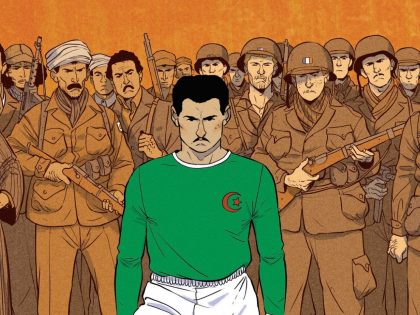
The story of Algeria's brilliant, and heroic, footballers who played for independence.
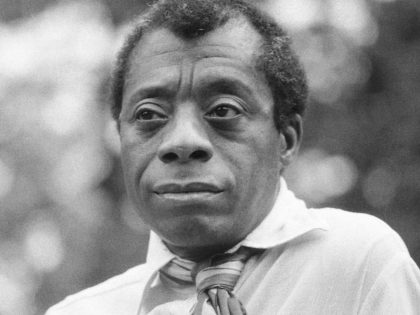
The Black American writer, James Baldwin, draws parallels between oppression in South Africa, Algeria and the United States.
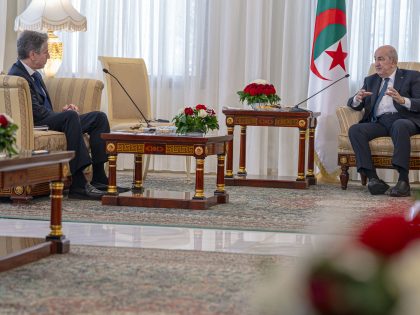
This month, Algeria quietly held its second election since Abdelaziz Bouteflika was ousted in 2019. On the podcast, we ask what Abdelmadjid Tebboune’s second term means for the country.
COVID-19 has been a blessing to the ruling classes in Algeria. However, the popular Hirak movement has not said its last word yet.
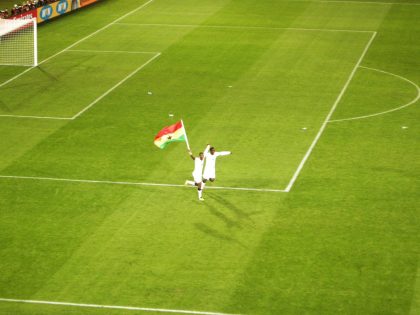
On the field, Africa’s World Cup has disappointed: Nigeria faltered, South Africa and Algeria couldn’t finish, Côte d’Ivoire were unlucky, and Cameroon underwhelmed.
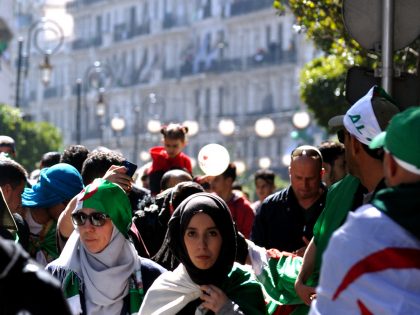
The mass of people in North Africa are still a force to be reckoned with and the region is still far away from a return to authoritarian stagnation.
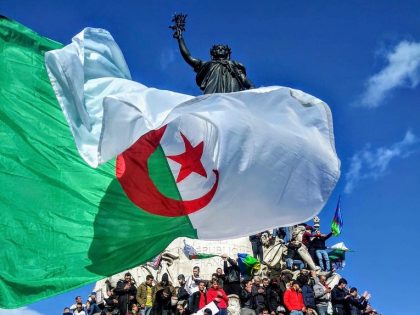
If what has been happening in Algeria since February 22, 2019, may not be a revolution, it very much looks like it.
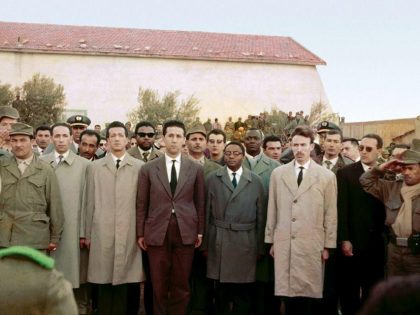
In April 1962, Mandela traveled on an Ethiopian passport in the name of David Motsomayi. He visited Morocco, Algeria, and Mali.
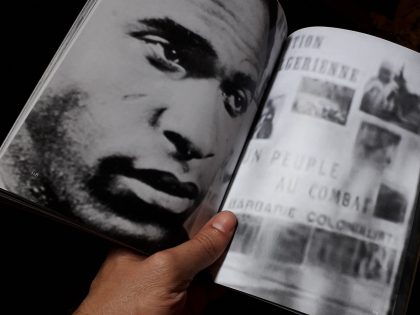
Although he was a spokesperson for the Algerian National Liberation Front, Frantz Fanon’s ideas often came at odds with that movement’s political demands.
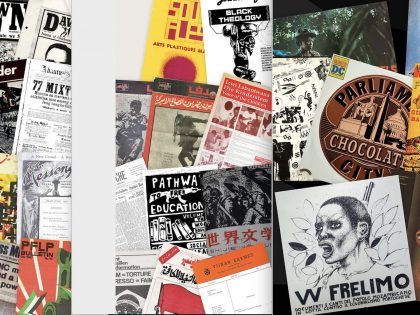
Revisiting the papers of left, anti-colonial revolt from the continent can remind us of messy, rich alternatives.
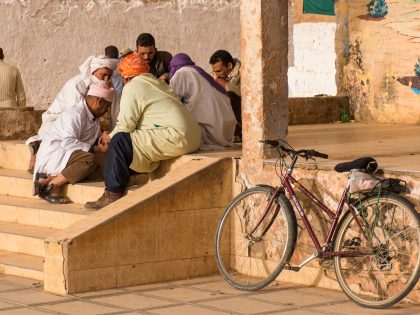
The centrality of race, colonialism, political projects around transnational identities, and the social sciences, all had effects on how the Middle East as a region came to be.
It will have to be the Algerian diaspora inside France who will eventually have to mainstream the truth of France's colonial legacy.
Choosing to focus on denouncing Palestinian violence is akin to asking them to passively accept their fate — to die quietly and not resist.
The outcome of the Algerian revolution should not be pre-determined by a (neo)liberal Euro-American global order. Listen to the people.
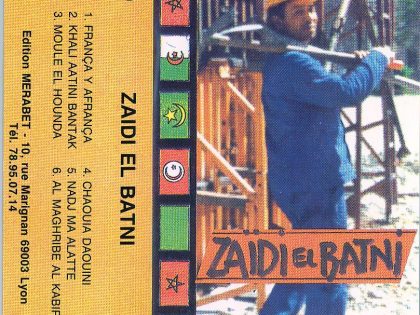
The immigrant Maghrebi experience in Lyon, France, as told through cassette tapes.
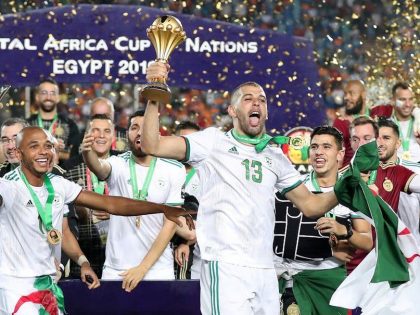
How the African Cup of Nations shows up Arab-African identity and cultural politics on the continent.
The El Foukr R'Assembly collective wants to challenge dominant ideas of African identity and cultural diffusion on both sides of the Sahara.
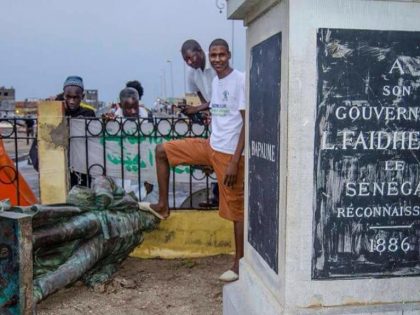
What explains this reluctance to discuss the permanence of symbols honoring slave traders and colonialists in the public spaces in both France and its former colonies?