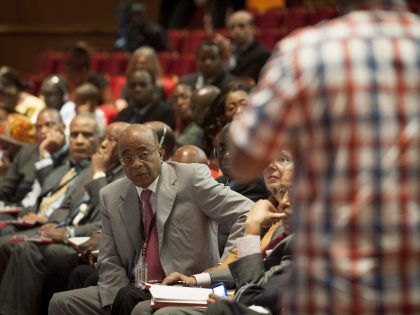
Mo Ibrahim does not have all the answers
The Mo Ibrahim Prize rewards African presidents for promoting democracy. But there's no proof the prize has had any effect or that it is needed.
Search Result(s) for: “Ethiopia”
The Mo Ibrahim Prize rewards African presidents for promoting democracy. But there's no proof the prize has had any effect or that it is needed.
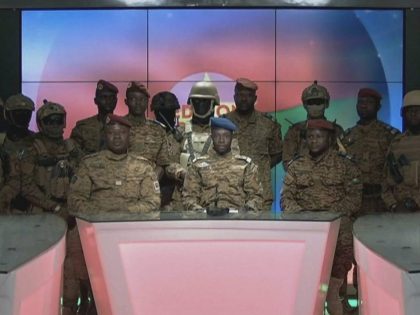
This week, AIAC talks with Dr. Lassane Ouedraogo on what's behind the coup in Burkina Faso.

The Ugandan architect, Stephen Mukiibi, reflects on his studies in Soviet Ukraine and the lessons he learned on equality, environment, race, and friendship.
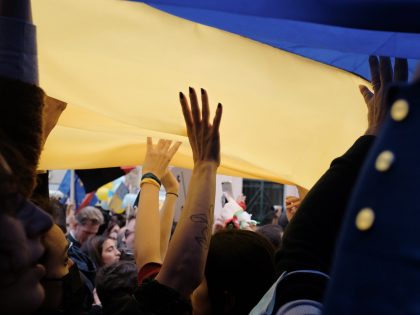
Russia’s war with Ukraine has inaugurated the new Cold War most feared, and some wanted. Which side are you on?
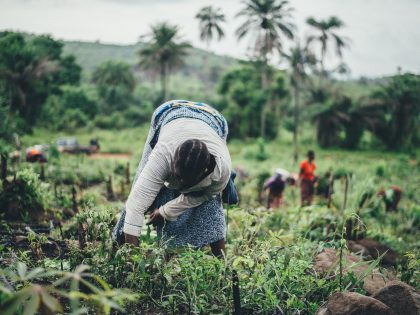
The Alliance for a Green Revolution in Africa was presented as a game-changer to address hunger. The consensus 15 years later: It failed.
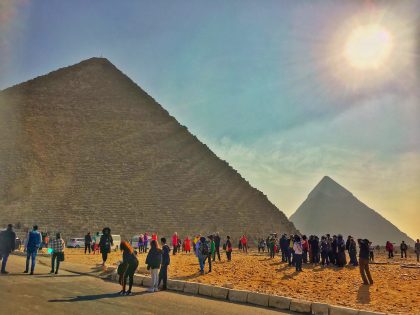
Why did North Africans and Middle Easterners almost overnight go from being comrades-in-struggle to racial intruders in Africa and in African American cities?

The French Ethio-groove group Akalé Wubé has dissolved. For over a decade they have shown how cultural outsiders can considerately engage in music that is not theirs.
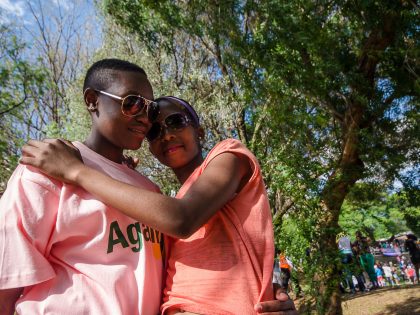
A new book presents an empirical challenge to the myth of South Africa as the “pink capital” of Africa and contributes to building an archive of queer, African, and religious narratives.
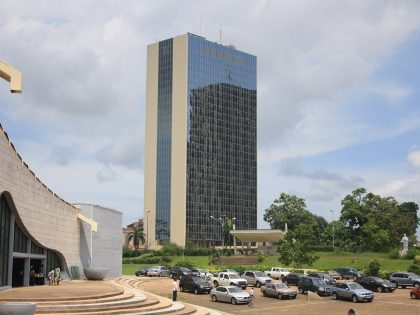
The CFA franc, pegged to a strong Euro, penalizes African economies as well as regional trade and facilitates the development of Western multinationals.
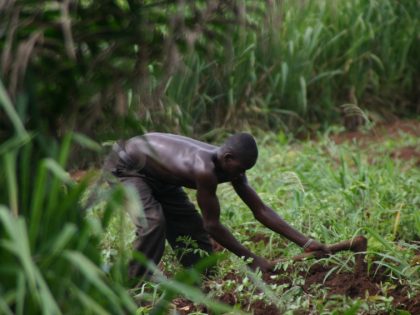
The consequences of Russia’s invasion of Ukraine for African food security and the need for greater food sovereignty.
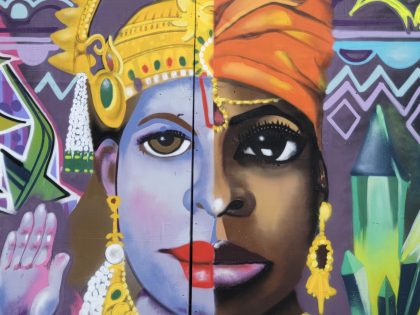
Shobana Shankar's new book, 'Africa, India and the Spectre of Race' (Hurst/Oxford, 2021) explores this complicated history.
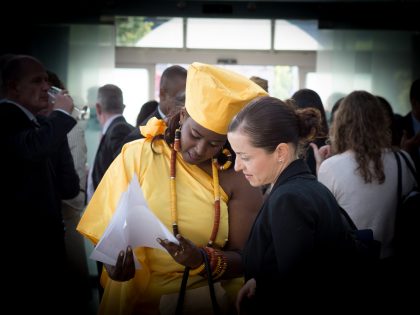
African women exercise their right to migrate, but also face dilemmas on their way to the unknown. We need policies that protect them.
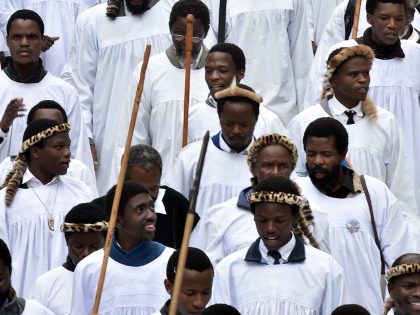
The spread of Garveyism from the US to Africa was as much about political liberation as it was religious salvation.
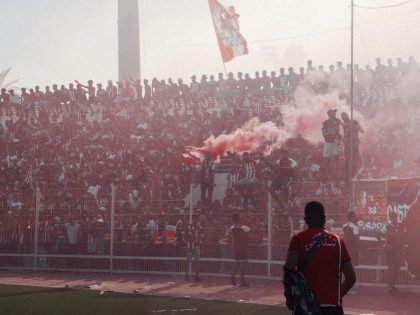
Morocco’s World Cup heroics are forging a new, dissident Third-World solidarity, reflecting the multifaceted nature of Moroccan identity itself: simultaneously Arab, African, and Amazigh.
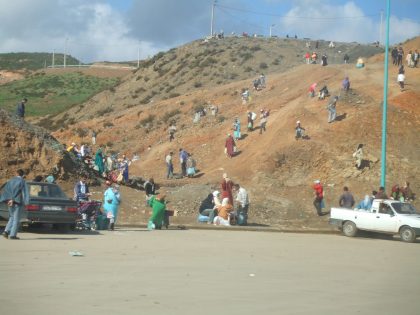
African migrant women are exposed to intersectional systems of violence but are not simply victims.
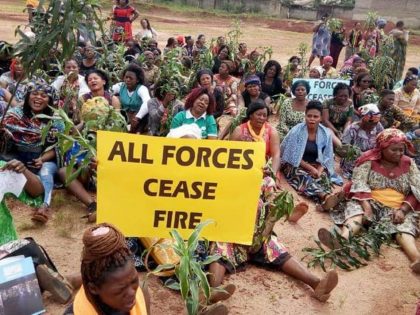
The longue duree of the conflict in the Southern Cameroons, the rise of the current Ambazonian movement, as well as the dismal prospects for conflict resolution.