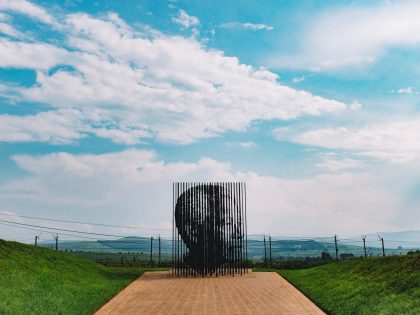
Nelson Mandela and how we talk about the state in Africa
It may be better to ask what Nelson Mandela's leadership means for how we assess the state in Africa.
Search Result(s) for: “Angola”
It may be better to ask what Nelson Mandela's leadership means for how we assess the state in Africa.
When Cabo Verde qualified for the World Cup, celebrations erupted from Praia to Rotterdam. The Blue Sharks’ rise shows how a scattered people built a global team rooted in home.
In contrast to renewed fears in the west over Russian expansionism in Africa, Russia's increased presence on the continent is mostly about pursuing lucrative business opportunities.
It's time to return Africa's vinyl records.
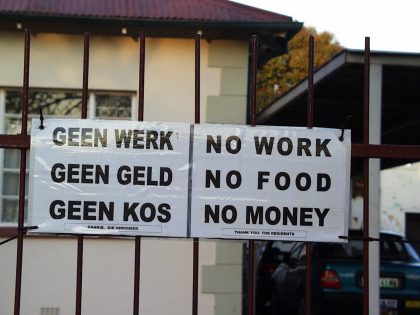
An encounter on a cross continental flight with white South African men and their ways, by Robina Marks, a black woman and South Africa’s ambassador in Benin.
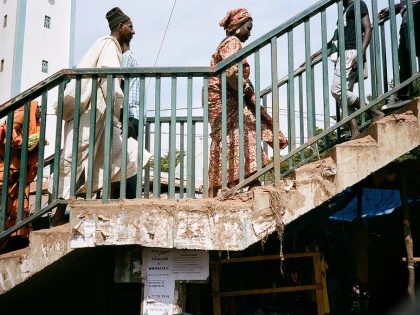
How do queer women in Senegal navigate the simultaneous desires of same-sex intimacies, family life, societal expectations, and urban success?
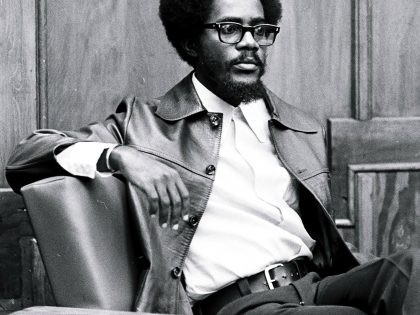
On the 50th anniversary of Walter Rodney's The Groundings With My Brothers, a small group of scholars on the impacts of Rodney on their intellectual development and political commitments.
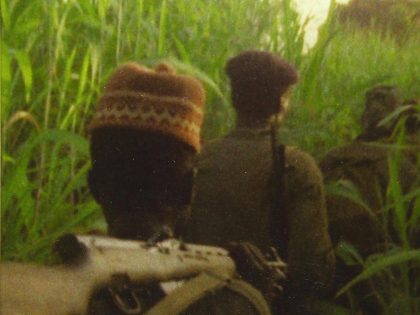
What we learn from the film “Concerning Violence,” about Franz Fanon’s writings and ideas
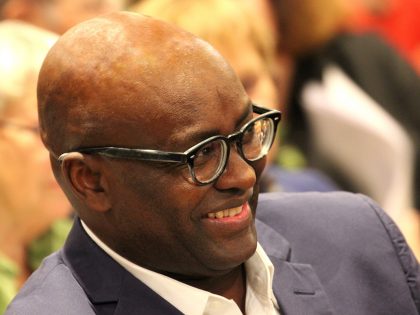
An interview with Achille Mbembe, including on the consequences of global capitalism on the continent.
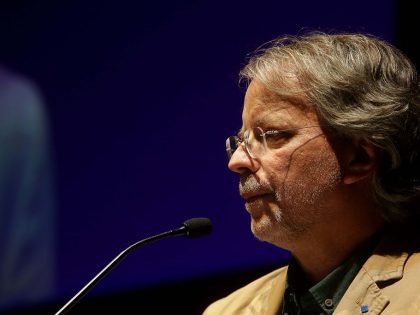
The celebrated Mozambican writer, Mia Cuoto, argues, among others, that it is essential that governments think in terms of the nation, not its elites.

Stephen Keshi’s success as Nigeria's national men's soccer team coach, will perhaps encourage more African countries to look closer to home for coaching salvation.
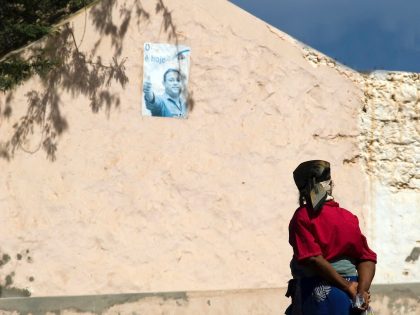
The island nation's celebrated political system was never a gift bestowed, but seized through sheer agency and hard-fought autonomy.
Decolonizing museums requires more than knowledge exchange and lending back stolen artifacts.
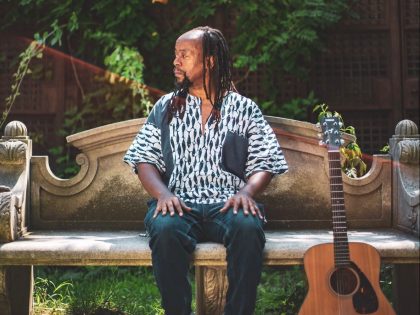
Masauko Chipembere's first solo album is a remarkable achievement and a timely musical reminder of the circular nature of pan-Africanist consciousness.
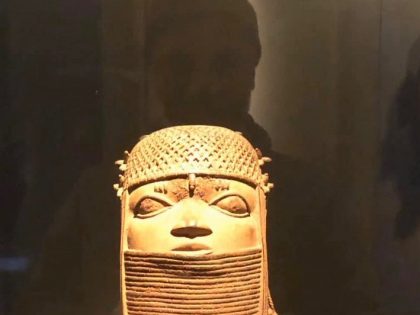
We are not just marking the end of 2019, but also the end of a momentous, if frustrating decade for building a more humane, caring future for Africans.
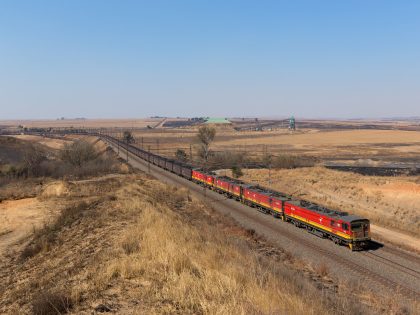
A Johannesburg-Cape Town high-speed line could turn apartheid’s corridors of extraction into a green spine of connection, industry, and justice.
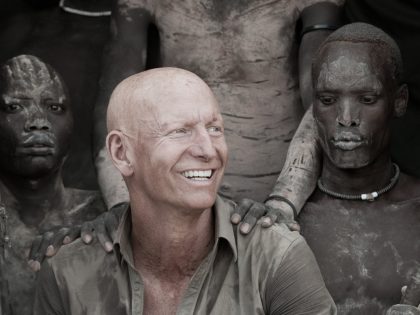
Jimmy Nelson's photographs are deliberately constructed to capitalize on his own vision of these groups.
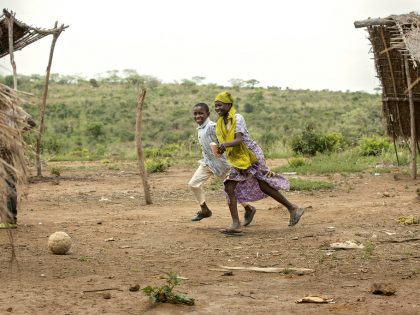
Beyond news headlines, African artists complicate common migration narratives.
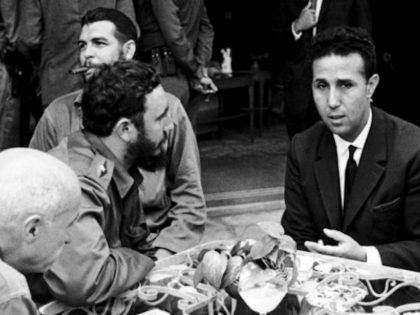
In the 1960s, Algiers was a beacon for worldwide liberation movements. What happened to its rebellious spirit?
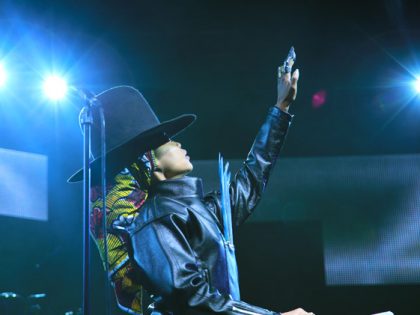
Erykah Badu’s online defense of her visit to autocratic Swaziland exposed her lack of knowledge about the continent.