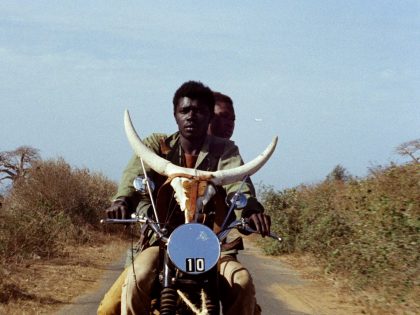
The dreamer
As Africa’s first filmmakers made their unique steps in Africanizing cinema, few were as bold as Djibril Diop Mambéty who employed cinema to service his dreams.
As Africa’s first filmmakers made their unique steps in Africanizing cinema, few were as bold as Djibril Diop Mambéty who employed cinema to service his dreams.
A solidariedade socialista na Angola e Moçambique pós-coloniais tornou as pessoas queer invisíveis. Revisitar esse apagamento nos ajuda a reinventar a libertação de forma legítima.

Socialist solidarity in postcolonial Angola and Mozambique rendered queer people invisible. Revisiting this erasure helps us imagine liberation anew.

The musician Mac McKenzie, who passed away in April 2024, helped pioneer a sound that captured the Mother City’s Creole heritage.
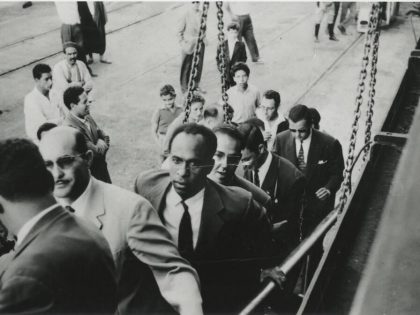
What would Fanon say about the ongoing genocide in Palestine?
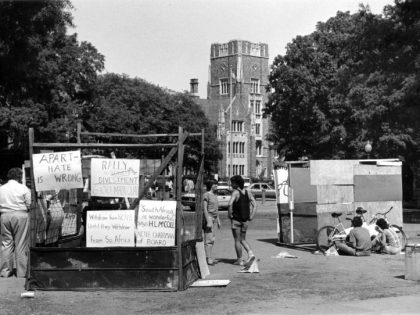
In 1985, black students at the University of Houston led a campaign for divestment from apartheid South Africa.
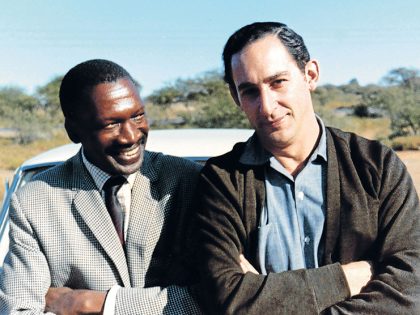
South African anti-apartheid revolutionary Robert Sobukwe is often understood as a black nationalist. So what should we make of his close friendship with a white liberal?
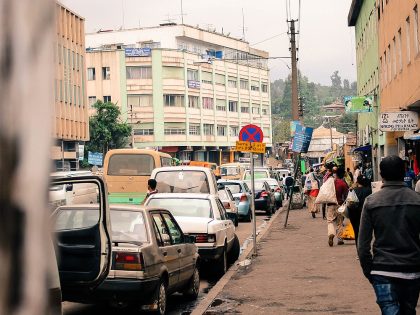
The demolition of an historic district in Addis Ababa shows a central contradiction of modernization: the desire to improve the country while devaluing its people and culture.
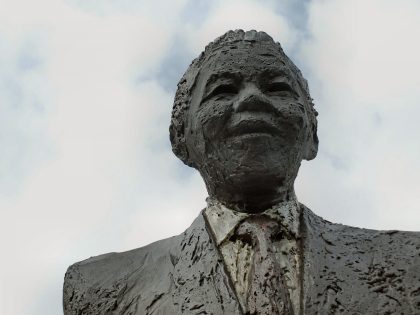
Are Nelson Mandela's personal belongings sellable family heirlooms or heritage artifacts of national significance?
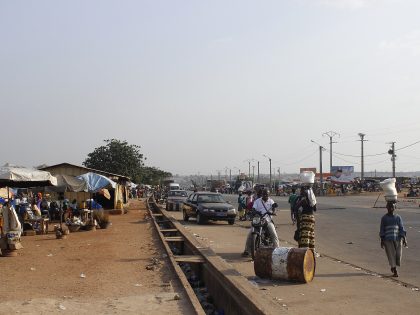
'Les Éléphants' quarterfinal match against Mali is happening in Cote d’Ivoire’s second largest city. Can the place once ravaged by war be a site of national redemption once again?
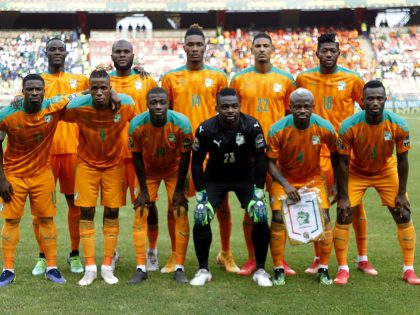
Three dates, in particular, were turning points in touching the hearts of Ivorians.
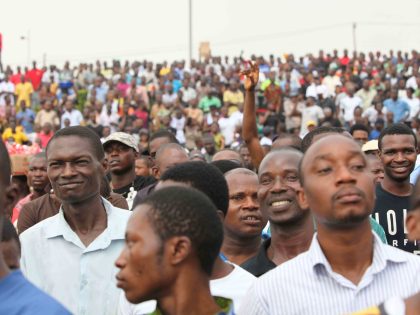
Nigeria’s Labor Party lost its way when it abandoned socialism for social democracy. Still, it remains essential for the labor movement to be organized under a party of its own.
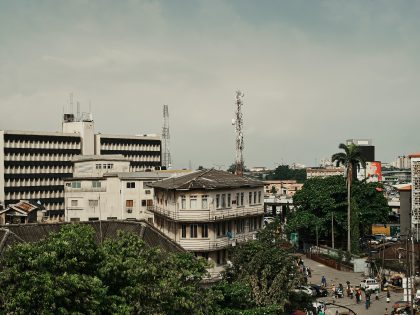
While some streets in Lagos bear the names of notable nationalist leaders and pioneering early Nigerians, less is known about the everyday social milieu in which they operated.
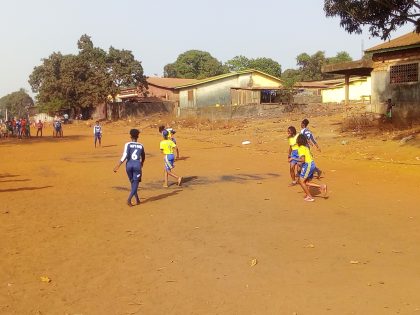
In this week's episode of the African Five-a-side podcast, we delve into how Guinea's first president, and our midfield destroyer, said "No" to France and "Yes" to football.
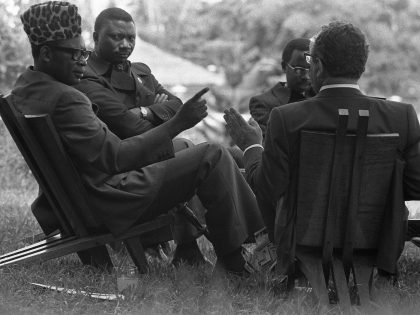
In 1975, seeing how a communist victory in Angola’s civil war would boost the morale of Vietnamese freedom fighters, Henry Kissinger wanted to plan a covert operation against the MPLA.
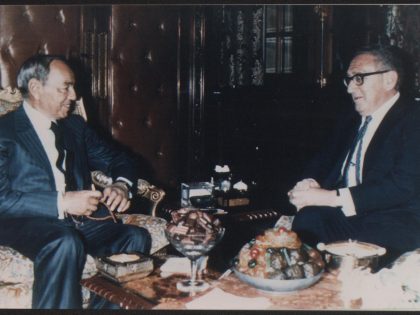
Morocco is one of the United States’ oldest allies, so when it occupied Western Sahara in 1975, the right to self-determination of the Sahrawi people mattered little.
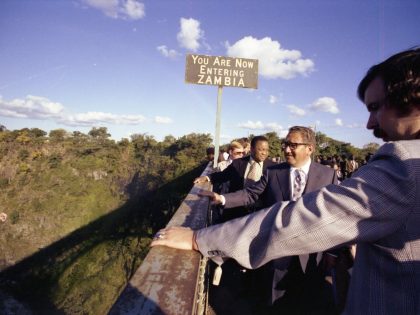
In the 1970s, Kissinger believed that the liberation of southern Africa from white-minority rule represented a Cold War setback.
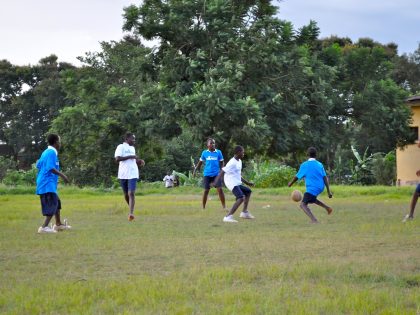
The African Five-a side podcast continues to explore the stories of five African heads of state and their influence on football. This week, we introduce our striker.
A new film about American civil rights icon Bayard Rustin overlooks his later conservative turn, evident in his attitudes to anticolonial resistance in Africa.
It is often imagined that world opinion was always united in its opposition to apartheid in South Africa — it wasn’t. Today, global indifference to Palestine is changing too.