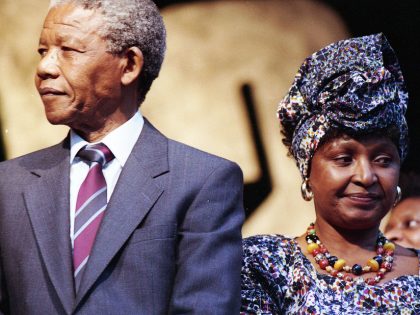
The meaning of February 11, 1990
A veteran anti-apartheid figure writes about the day Nelson Mandela — after 27 years — was released from prison.
Search Result(s) for: “Angola”
A veteran anti-apartheid figure writes about the day Nelson Mandela — after 27 years — was released from prison.
The New York Times East Africa correspondent can be summarized in three self evident points.
Claudio Silva asked young Angolan photographer Indira Mateta to write down her thoughts about her favorite photographs and email it to him.
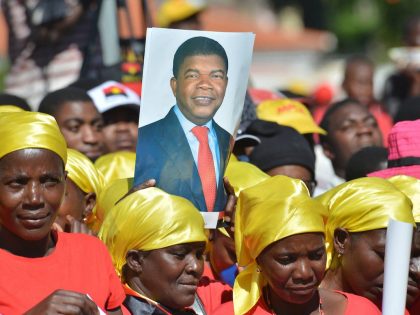
Preoccupied with attracting foreign investment and fighting corruption while managing a split in the ruling party, the Angolan president João Lourenço ignores his strongest ally: youthful civil society.
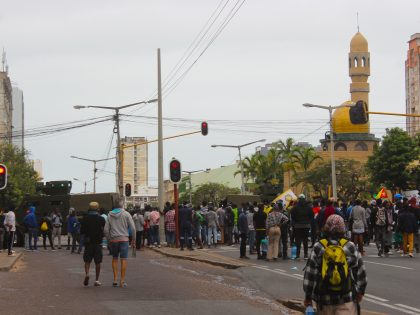
As Mozambique nears 50 years of independence, its ruling party clings to power amid political turmoil, contested elections, and growing public discontent. Is this the beginning of a new struggle for liberation?
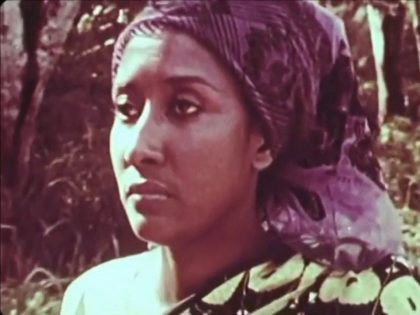
Maldoror on filmmaking: "To make a film means to take a position . . . I make films so that people — no matter what race or color they are — can understand them."
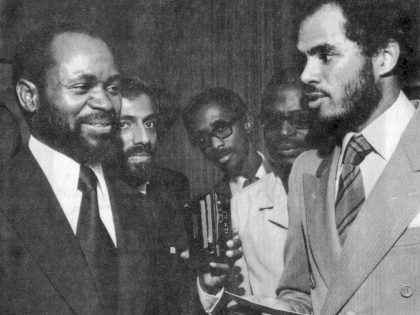
The films of Robert Van Lierop and Margaret Dickson chronicled anti-imperial struggles in Mozambique.
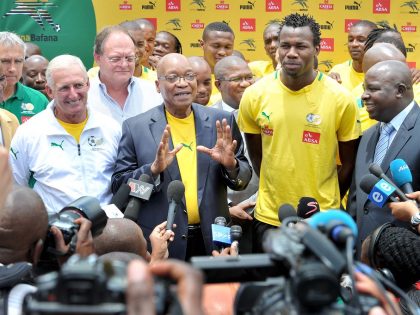
South Africa is hosting the African Cup of Nations, but few locals go to the stadiums. People have more important things to do than watch football?
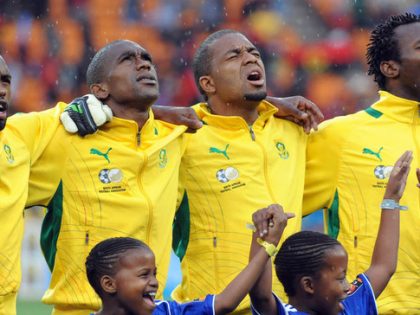

O cantor holandês e cabo-verdiano Nelson Freitas sobre o crescimento e a popularidade da cultura africana em todo o mundo.
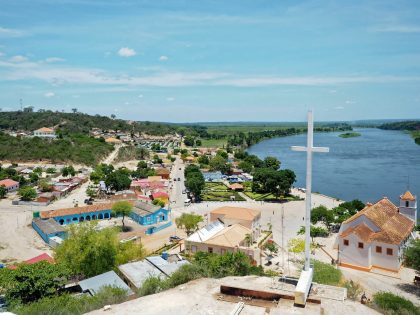
Os escritos do líder e intelectual revolucionário angolano Mário Pinto de Andrade ajudaram a galvanizar a luta pela independência. Estão agora disponíveis em inglês.
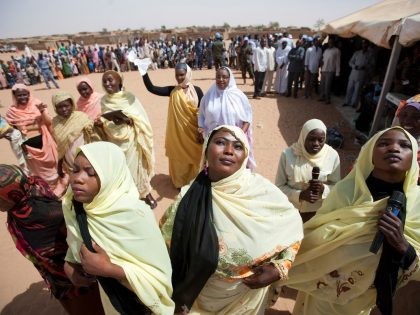
As the commodity super-cycle’s denouement now makes obvious the need for change, at least it is clear to all that Africans are not lying down.
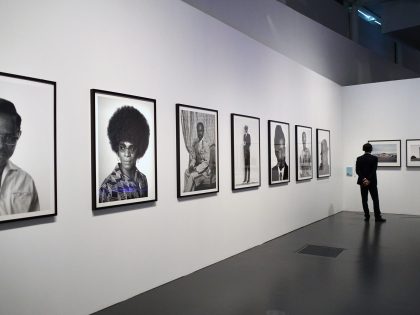
After World War II, the Soviet Union and the United States were not only locked in an ideological struggle with each other, but also competed with an anticolonial vision of modernity, an ideology which is still influential today.
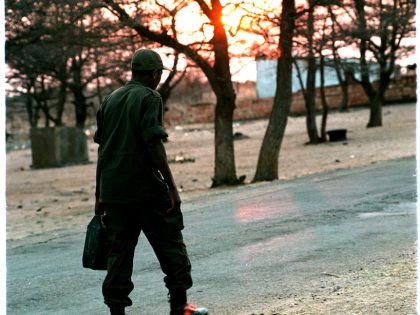
The Angolan singer's new album deals with war in the widest sense: war with the self, war with family, neighbors, friends.
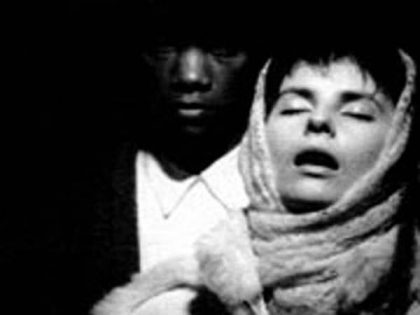
Abderrahmane Sissako’s oblique suggestion of what a ‘socialist friendship’ might be in his first film, "October" (1993) set in a then-declining Soviet Union.
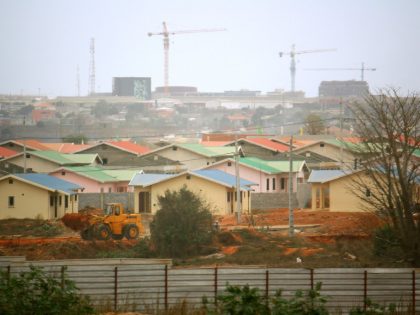
In a rapidly changing city like Luanda, it is important to be able to catalogue all of its eating establishment, or at least those that our wallets and stomachs allow.

The popular Kudurista, Titica, is one of the the top stars of this growing Angolan dance music form.
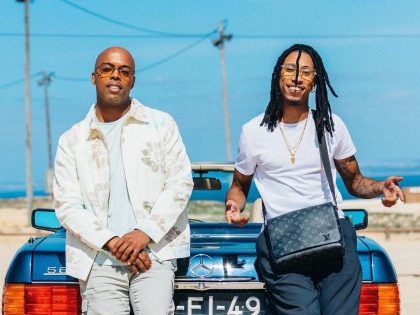
Dutch and Cape-Verdean singer Nelson Freitas on the growth and popularity of African culture across the world.
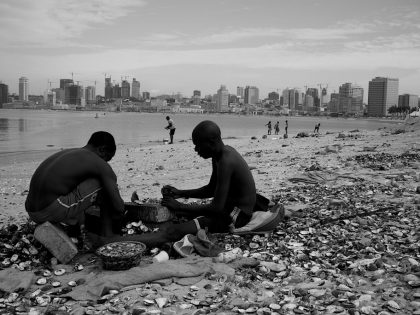
Claudio Silva emailed fellow Angolan, photographer Rui Sérgio Afonso, to tell us about his favorite images.