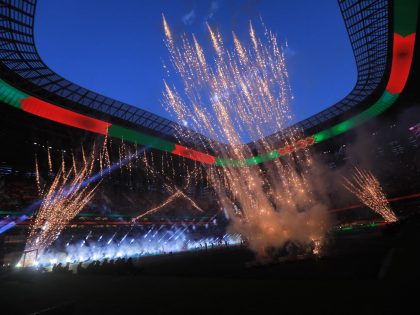
À qui s’adresse la CAN ?
Entre le coût du transport aérien, les régimes de visas, la culture télévisuelle et l’exclusion de classe, le problème de l’affluence à la CAN est structurel — et non le signe d’un manque de passion des supporters.
Search Result(s) for: “Diaspora”
Entre le coût du transport aérien, les régimes de visas, la culture télévisuelle et l’exclusion de classe, le problème de l’affluence à la CAN est structurel — et non le signe d’un manque de passion des supporters.

From air travel costs and border regimes to television culture and class exclusion, the problem of attendance at AFCON is structural, not because fans lack passion.

Côte d'Ivoire is turning 50 — it became independent on August 7, 1960 — and my Ivorian friend doesn't feel eager to celebrate.

In Nigeria’s media landscape, anti-imperialist commentary captures popular anger without transforming it, turning dissent into spectacle rather than power.

What is it about Congolese men who dress up in tropical weather like they're on a catwalk in Paris sometime in late Fall?
Thomas More’s Utopia was not written as a metaphor for paradise, but for those trying to organize. What would an African equivalent look like?
This statement, signed by a group of African bloggers, including this site, was published a month after Ugandan LGBTQ activist David Katu's murder.

Despite commercialization and elite capture, the world’s most popular sport still generates forms of collective life that resist the logic of capitalism.

Abdullah Ibrahim was difficult, suspicious, and brilliant. And beneath all of it, he was searching for home.

If Os Kuduristas is problematic, there’s no one to blame for its existence but perhaps us, the international community and the media.

Mali's interim Prime Minister is forced out by soldiers. What that means for Mali’s political future is anyone’s guess, but it doesn’t look good.

The first in our Africa Nations Cup 2013 playlists; to drown out the commentator if they are annoying you during the game.
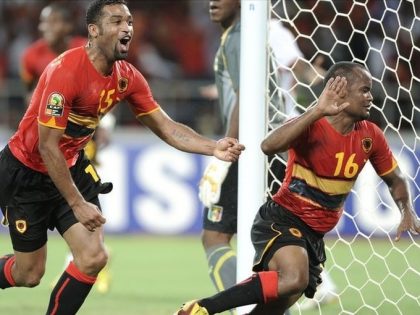
What we learned from Day 8 of the 2013 African Cup of Nations.
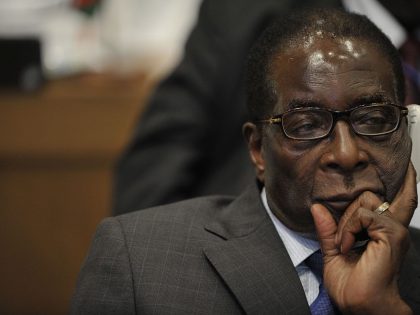
Another book argues Zimbabwe's land reform is a success. But does it adequately deal with the processes by which that “success” was achieved?

The first in a series of interviews by Roxsanne Dyssell, a South African writer based in New York City. First: Photographer and photoblogger, Karabo Maine.
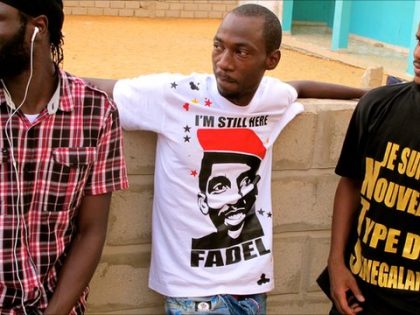

The online retrospective, “Literary Sudans," is intended to highlight the two Sudans as sites of literature and culture.