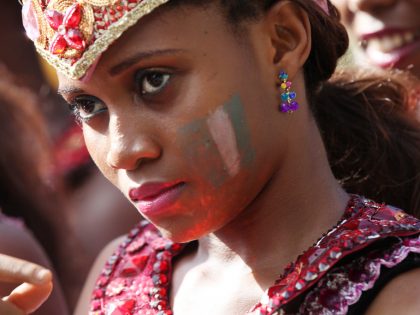
‘Crazy Rich Nigerians’
Nigerians’ anger and frustration are deservedly directed to their government. But few point to the special breed of Nigerians: the "Crazy Rich Nigerians."
Search Result(s) for: “London”
Nigerians’ anger and frustration are deservedly directed to their government. But few point to the special breed of Nigerians: the "Crazy Rich Nigerians."

On the United Kingdom’s attempts to finance the construction of large-scale prison facilities in former colonies, to where it wants to deport undocumented migrants.

The art world largely Isabel dos Santos’s husband despite him being caught up in large scale corruption.

Homage to Santu Mofokeng, photographer of quotidian black life in South Africa.

Parts of Johannesburg's inner city has been subjected to aggressive gentrification. It also comes with lots of mindless media.
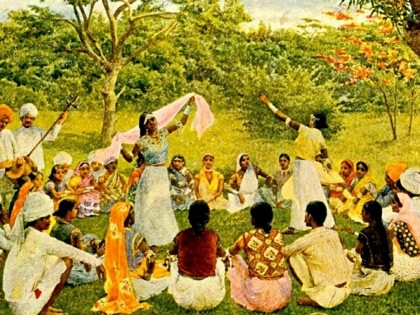
The Granta controversy surrounding a Commonwealth Prize-winning story tells us less about AI than about the enduring metropolitan expectation that writing from the South should sound opaque, excessive, and primitive.
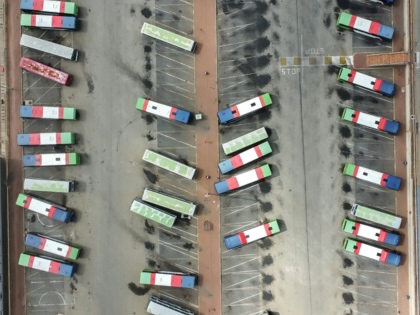
Across Africa, governments are elevating STEM education while sidelining the humanities. But science and technology are never neutral, and technical expertise alone cannot transform society.

AIAC talk considers Karl Marx's legacy and we debate whether his ideas are still relevant. Our guests are two thinkers: Annie Olaloku-Teriba and Zeyad el Nabolsy.
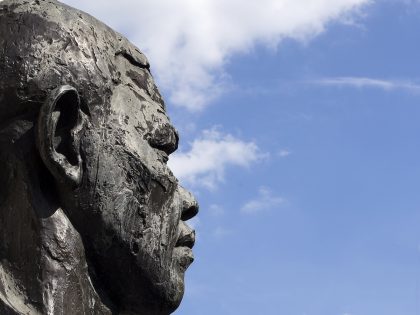
Nelson Mandela's life teaches us that being quarantined is not the end of politics, but for the regeneration of politics.
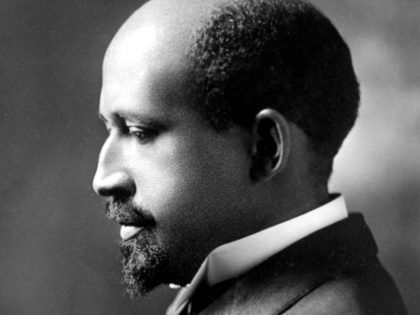
Kwame Anthony Appiah’s Lines of Descent (2014) argues that W. E. B. Du Bois’s two years as a graduate student in Berlin vitally informed his views on race and politics.
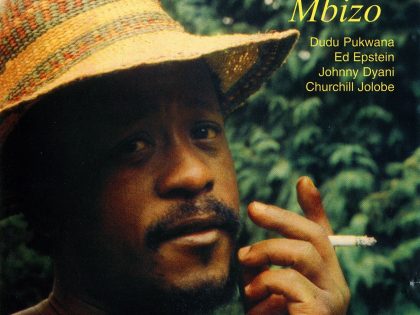
From exile, bassist and composer, Johnny Mbizo Dyani (1945-1986), explored and promoted the folk music traditions of South Africa.

Thandika Mkandawire (1940-2020) bravely stood up for social policies and the developmental state.

The Liberian academic and writer talks about citizenship, belonging, and what unites her fragmented nation.

There can no longer be false justifications for holding Benin Bronzes, and other pilfered materials, in museums outside of Africa.
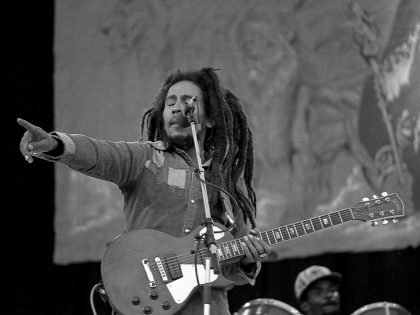
This week on AIAC Talk, we reflect on Bob Marley, the “last rock star” and the first artist of world music on the anniversary of his death. Watch it Tuesday on Youtube.

To consider Bob Marley today demands we look back across distance to the place and age that brought him to us.

The current global discourse on Black Lives Matter does not yet adequately include anti-black racism beyond how the West experiences it.