The enemy of my enemy is my friend
The reopening of a border between Eritrea and Tigray masks a deeper realignment. As old foes unite against Ethiopia’s government, the risk of renewed war grows.
Search Result(s) for: “Diaspora”
The reopening of a border between Eritrea and Tigray masks a deeper realignment. As old foes unite against Ethiopia’s government, the risk of renewed war grows.
The French narrative of the Enlightenment still struggles to contend with the country’s racialized hierarchy in its cultural artifacts.
The Women’s Africa Cup of Nations opens in Morocco amid growing calls to preserve the stories, players, and legacy of the women who built the game — before they’re lost to erasure and algorithm alike.

In Nigeria, the drive to cut corners has turned food and drink into vectors of illness, sacrificing health and heritage at the altar of profit.
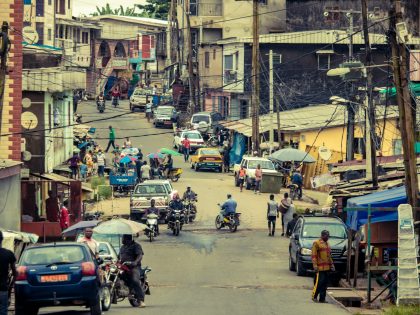
Cameroon’s president has ruled for over four decades by silence and survival. Now, with dynastic succession looming and no clear exit strategy, the country teeters between inertia and implosion.
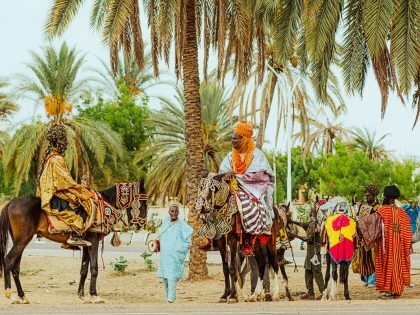
A photo essay on Nigeria’s Durbars and the power of royal pageantry.
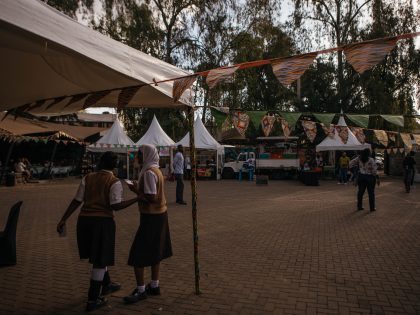
Nairobi’s cultural moment reflects both the promise of continental imagination and the anxiety of performing arrival for the world’s gaze.
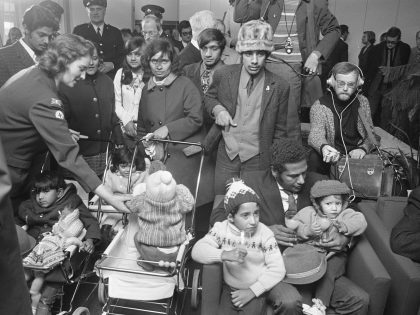
From Portuguese Goa to colonial Kampala, Mahmood Mamdani’s latest book shows how India became an instrument of empire, and a scapegoat in its aftermath.
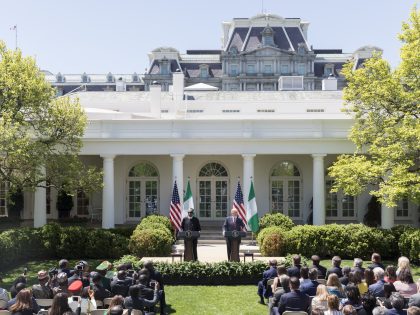
Trump’s threats of military action against Nigeria are not about Christian genocide, but are about rare earths, China, and the scramble to control Africa’s mineral future.
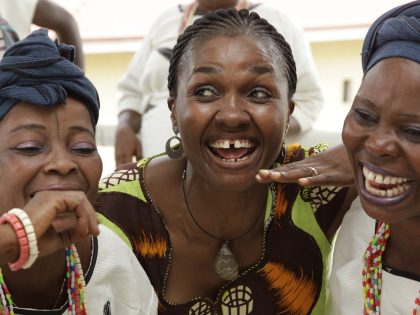
As the White House hypes “Christian genocide” and floats military action, northern Nigerians are responding with satire.
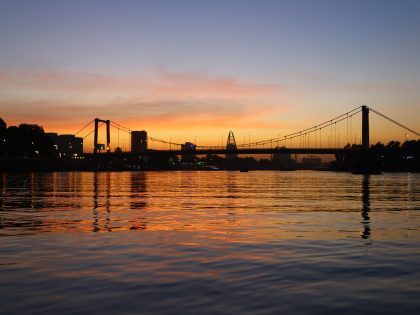
Khartoum’s recovery is not a national recovery. Until Sudan confronts the violence that has long been concentrated outside the capital, 'liberation' will remain a hollow word.
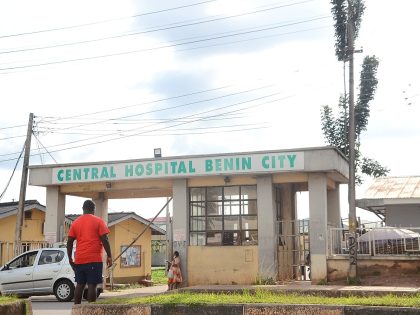
A dispatch from Benin City tells the unfinished story of the Museum of West African Art.
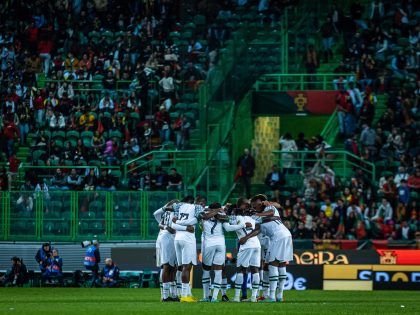
The Super Eagles don’t suffer from a shortage of talent, but represent a country unwilling to admit that greatness is not a birthright.
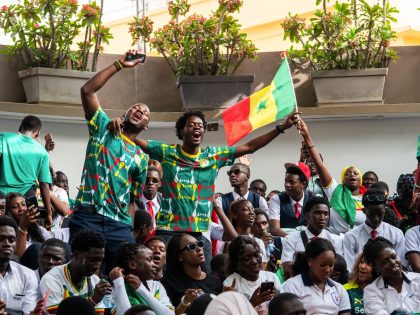
Comment le Sénégal est-il devenu l'un des viviers les plus prolifiques du football africain, et pourquoi ce succès peine-t-il encore à transformer l'économie du football local.
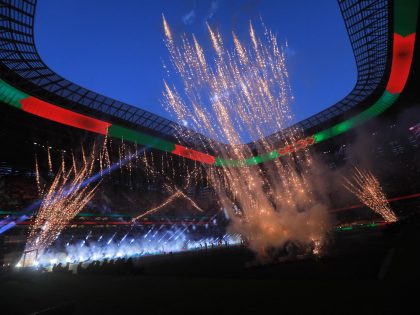
Entre le coût du transport aérien, les régimes de visas, la culture télévisuelle et l’exclusion de classe, le problème de l’affluence à la CAN est structurel — et non le signe d’un manque de passion des supporters.
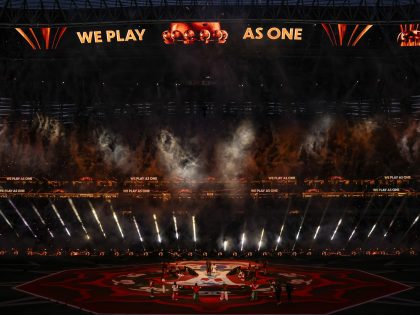
From air travel costs and border regimes to television culture and class exclusion, the problem of attendance at AFCON is structural, not because fans lack passion.

In Nigeria’s media landscape, anti-imperialist commentary captures popular anger without transforming it, turning dissent into spectacle rather than power.

Thomas More’s Utopia was not written as a metaphor for paradise, but for those trying to organize. What would an African equivalent look like?

Despite commercialization and elite capture, the world’s most popular sport still generates forms of collective life that resist the logic of capitalism.