Search Result(s) for: “”
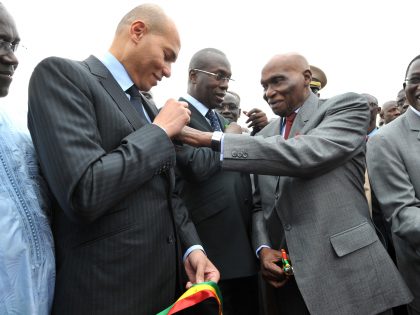
Senegal’s “Mister 15%” Goes to Jail
Karim Wade, the son of Senegal's former president, is emblematic of how Abdoulaye Wade's family made the state their personal property.
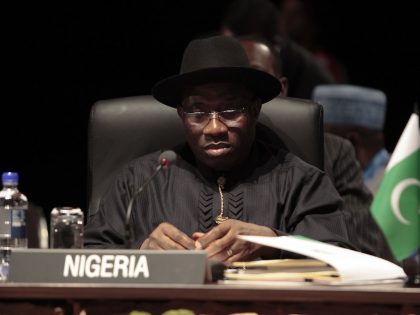
What is to be Done for Nigeria?
A conscious effort must be made - mustering Nigeria's considerable human capital at home and in the diaspora- to build alternative structures of political engagement.
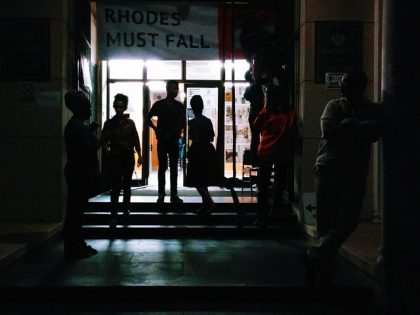
Rhodes Must Fall from Zimbabwe
Protests are important because they raise awareness. Awareness leads to dialogue. And dialogue may lead to lasting solutions.
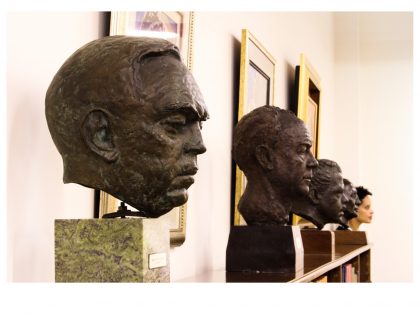
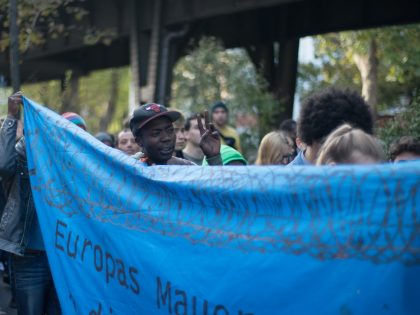
Between Two Fires
A migrant's fight for a place in Germany.
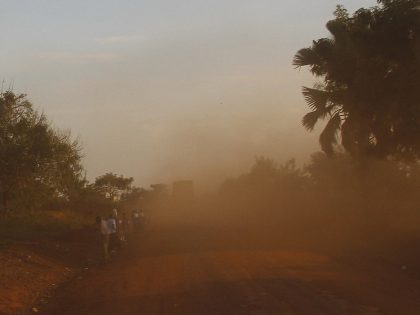
The worst habits of American journalism
An open letter addressed to Jeff Fager, Executive Producer of the American TV news program, 60 Minutes, over its reporting of Africa and Africans.
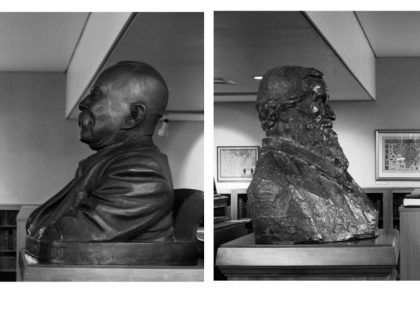
It’s Not Just About Cecil John Rhodes
Statues of icons of colonialism continue to exist in their visibly unaltered state throughout South Africa’s major cities.
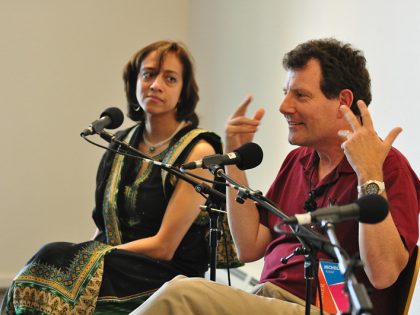
Nicholas Kristof Discovers Angola
This is now our eleventh piece on Nicholas Kristof. This needs to end. He has to stop somehow.
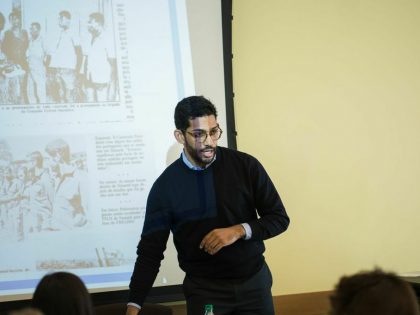
Africanizing Technology
The photographic record of an academic conference which key question was "How is technology rooted in a longer history of African experiences?"
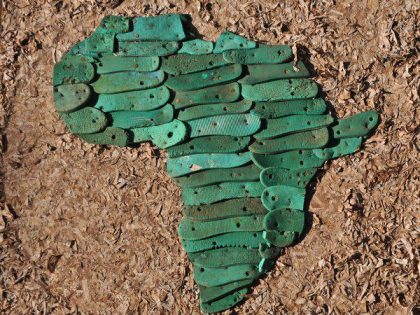
The Venice Hustle
How an Italian hotelier came to represent Kenya at the Venice Biennale.
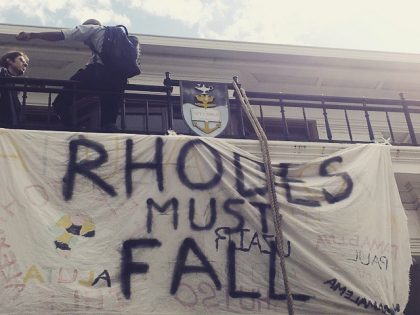
Rhodes Must Fall Everywhere
Aside from the heady enthusiasm of campus politics, is there any variable that unites these seemingly disparate campus struggles and what can they learn from one another?
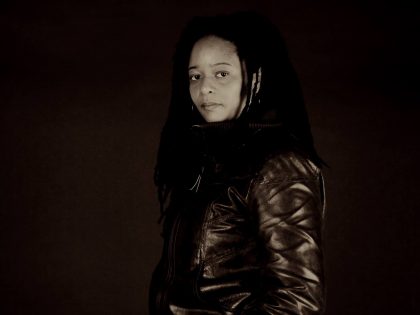
Can a woman in hip hop speak on her own terms?
Burni Aman was a member of the all women Godessa hip hop group. Now she is embarking on a solo career. She is intend on speaking for herself.
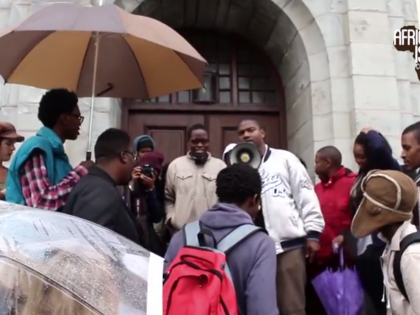
The statue in the garbage bag
Watch: South Africa's 'born frees' gag on the rainbow nation pill they've been fed for the past 21 years.
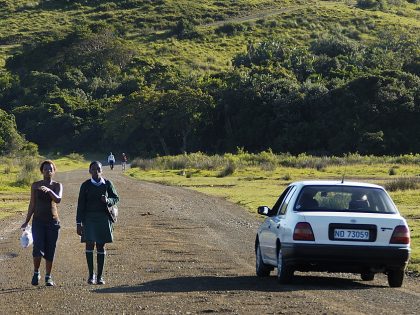
The Myth of the New South Africa
In South Africa, the old is alive and well and surging alongside everything that is trying to be new.
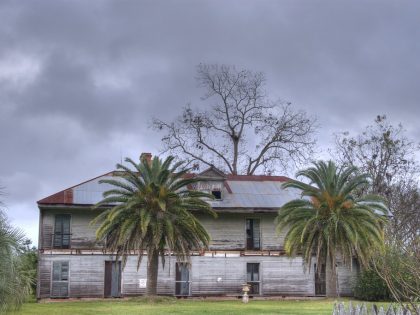
The Queering Slavery Working Group
This tumblr focuses on reading, researching, and writing histories of intimacy, sex, and sexuality during Atlantic slave period.
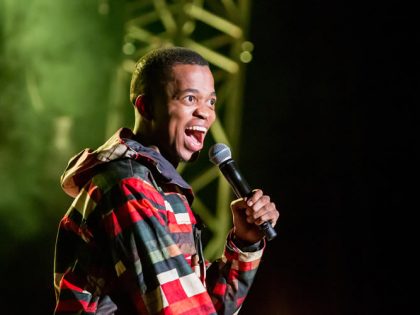
Performing Society’s Provocations
Comedian Mpho "Popps" Modikoane is the spokesman of South Africa's "Born Frees."
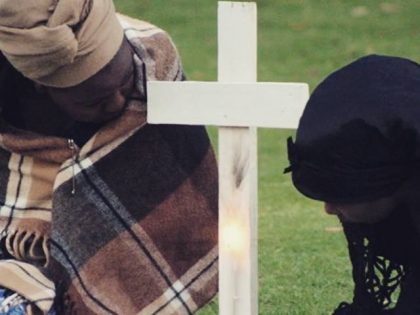
Stirring the Spirits of the Dead Miners of Marikana
When the widows of Marikana tried to wake up their husbands from their graves by yelling at them.
Does the Development Industry really need new clothes?
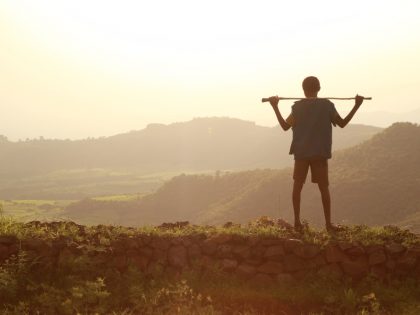
One critical problem of the new combined agenda of agencies like the UN or World Bank is that their goals lack a clear rationale on what they'll accomplish and how.