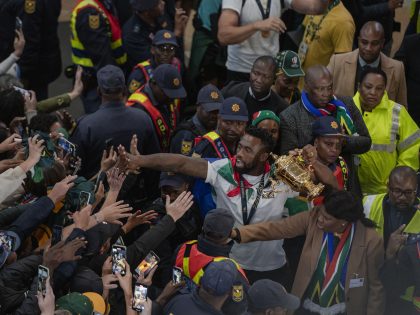
Hier kom die bokke
Something’s different about the reaction to South Africa’s victory at the 2023 Rugby World Cup, its fourth title.
Something’s different about the reaction to South Africa’s victory at the 2023 Rugby World Cup, its fourth title.
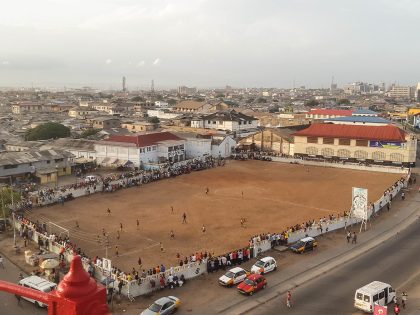
Up next in the African Five-a-side podcast, we name our central defender, and explain how Ghana's first president boycotted the 1966 FIFA World Cup and won two Afcons.

One bandleader's quest to keep Afrobeat political in Latin America.
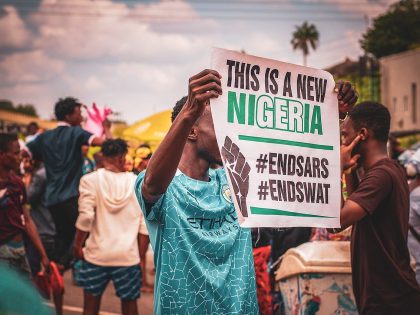
Young people have become an influential demographic in Nigerian politics. But are they a coherent political constituency?
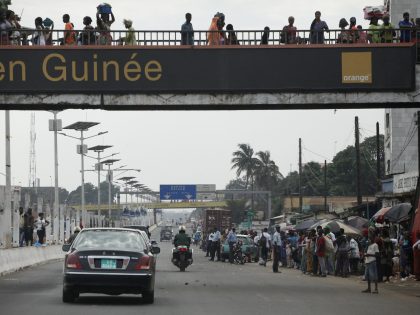
How Guinea's former president, Moussa Dadis Camara, nearly broke out of prison.
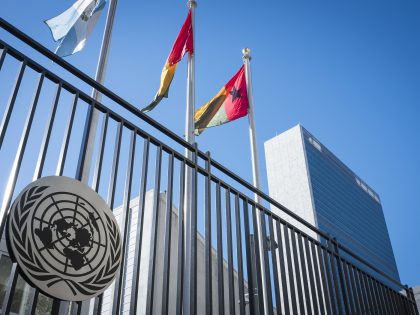
Israel’s assault on Gaza has shown, once again, that the UN Security Council is ineffective when it comes to preventing wars and protecting the human rights of all people.

It would seem that Hollywood has discovered Africa again. But how does all the new American content about Africa’s past compare to a previous generation of African-made movies on the same topic?

In the latest episode of the African five-a-side podcast, we name our goalkeeper.
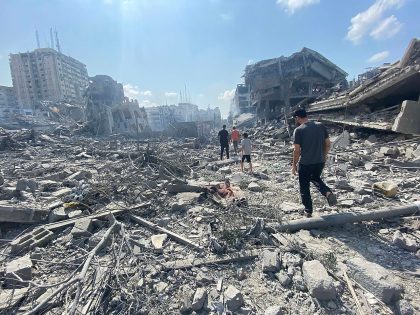
Israel’s impugnity in Gaza and the West Bank is enabled not only by its backers in the West, but by the widespread indifference of large parts of society.
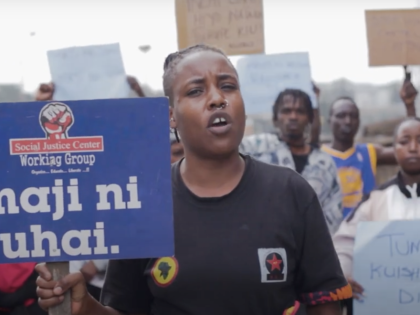
Access to water in Nairobi is horribly unequal. The World Bank, Nairobi Water Company, and development economists exploited this unjust context to treat poor Kenyans like guinea pigs.
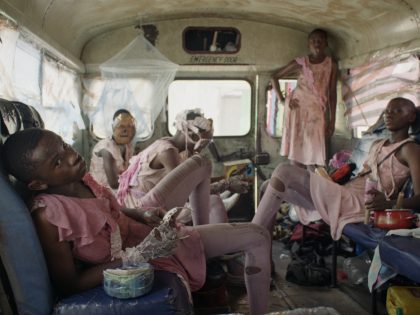
The return of Belgian-Congolese multitalent Baloji is nothing short of remarkable, with his latest output offering a fourfold album, an immersive exhibition, and most notably, a captivating magic realistic film.
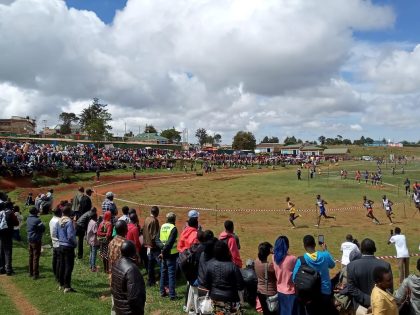
The successes of elite Kenyan athletes should not distract from the ways ordinary Kenyans are using it to make meaning for themselves.