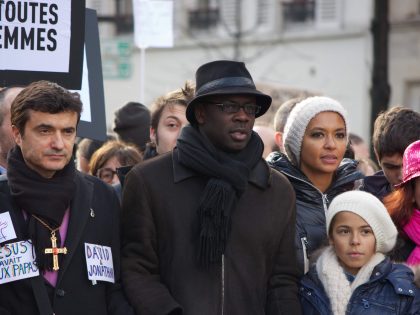
Ghetto defendants
If the French now have regular, public discussions about race, we have to thank black members of its men's national football team.
If the French now have regular, public discussions about race, we have to thank black members of its men's national football team.
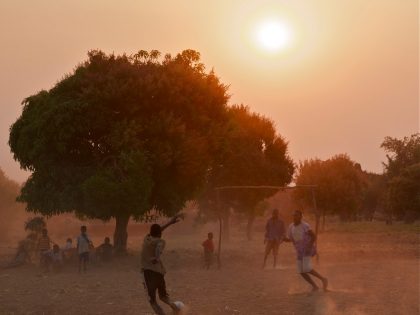
In 1994, Zambia was on the cusp of qualifying for the World Cup. After a tragedy wiped out the national team it lost to bad refereeing.
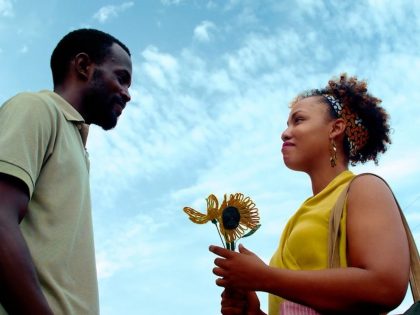
A new film and how to change minds about who is at fault for Uganda’s endemic violence against women.
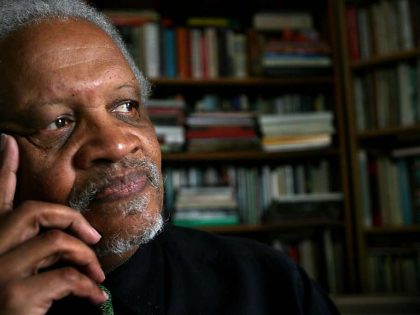
Ishmael Reed explores the future of race in America in new work, focusing in on black-South Asian solidarities.
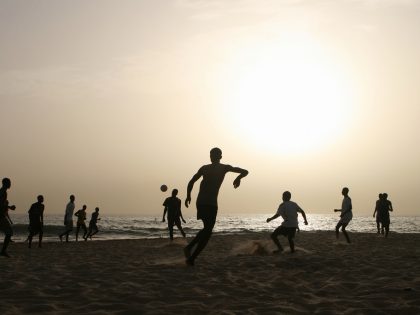
Ndeye Debo Seck has lost interest in local club football in Senegal. It has a lot to do with how the local game is administered.
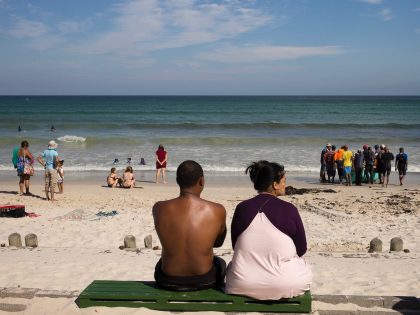
Where do these debates about the place of coloureds and Indians in South Africa come from?
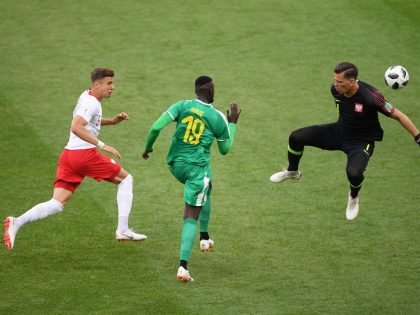
A Kenyan football fan reflects on a lifetime of World Cup finals.

For France's former colonies in Africa to enjoy true independence, they need to control over their own money and budgets.
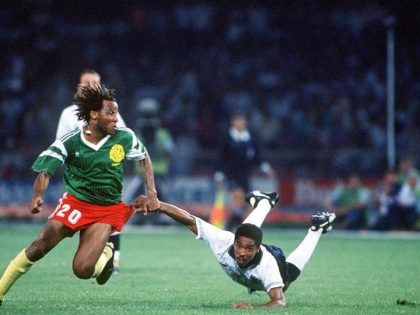
The reason why African teams struggle in the World Cup has everything to do with colonialism.
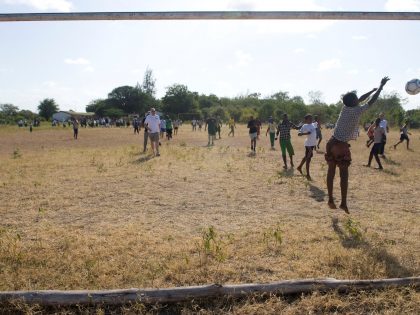
When African football officials stop being corrupt and identify and develop young talent, an African nation would have a real chance of winning the World Cup.
The Senegalese football jersey is a powerful symbol of nationhood and independence.
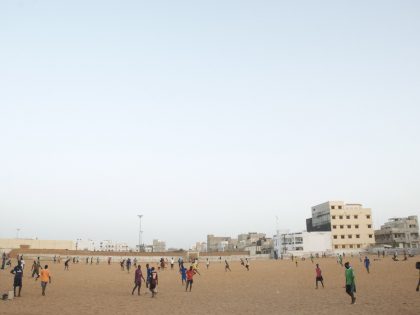
Football in Senegal is magic. That the team has qualified for their second World Cup, heightens the joy.