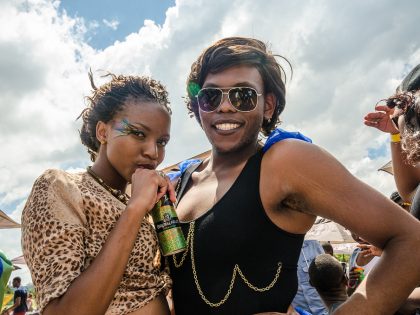
The narrative of homophobia in Africa
The identities, liberal or homophobe are cultural and political. They are not a perfect mirror of the narrative of homophobia in Africa.
The identities, liberal or homophobe are cultural and political. They are not a perfect mirror of the narrative of homophobia in Africa.
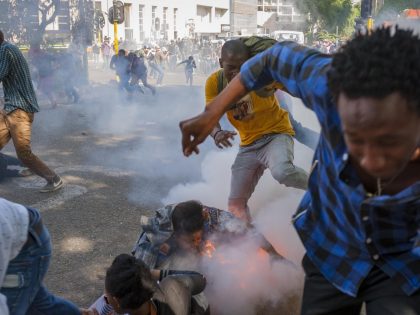
Fees Must Fall (#FMF) brought student activism at South Africa's elite universities into the global media spotlight. A new documentary zooms in on the case of Wits in Johannesburg.
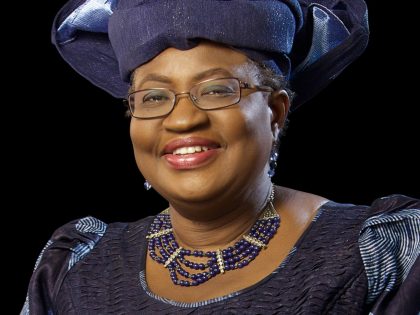
Nigeria's former finance minister wrote a book about her time in government. It is a thinly veiled attempt to clean up her image.
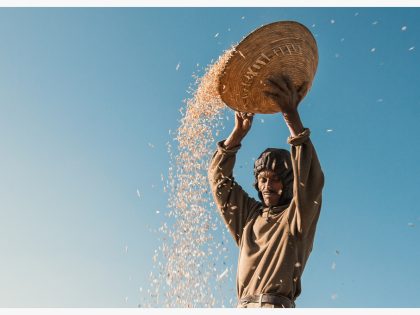
The consequences for land grabbing on the African continent could be devastating for the development goals of nations in the long term.
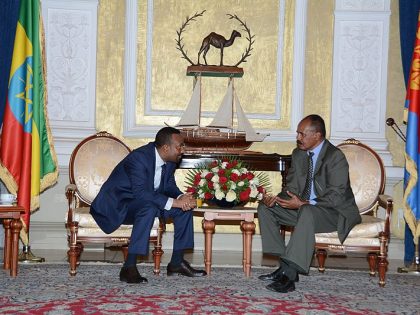
What economic gains are in the peace deal between longstanding foes?
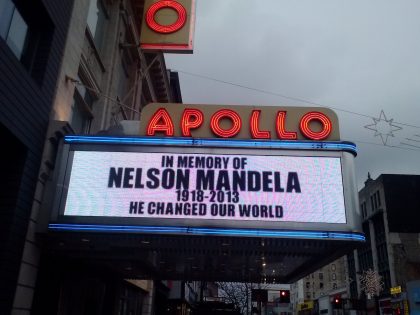
The Mandelas and Africa's place in African American politics and popular culture.
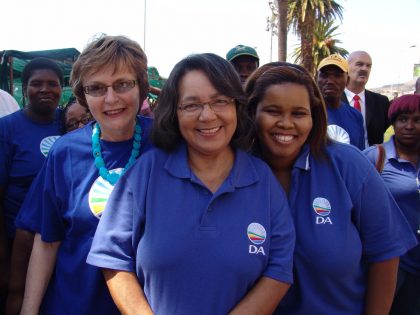
Patricia De Lille, one of South Africa's most popular post-apartheid politicians, claims she tried to redress spatial apartheid in Cape Town, but the legacy of her seven year run as mayor is one of violent forced removals and a refusal to upgrade informal settlements.
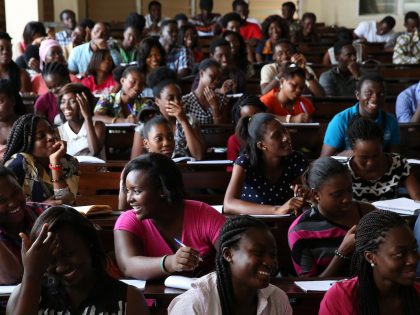
Hyper-partisan politics and shallow journalism obscured the implications of the protests at Kwame Nkrumah University of Science and Technology.
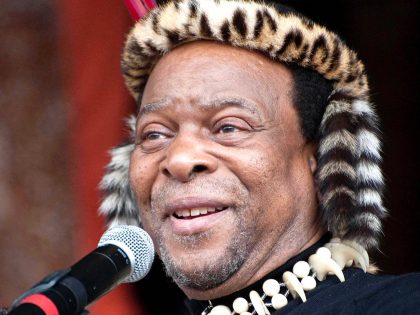
South Africa’s most famous monarch holds fast to power and prestige at no cost to himself.
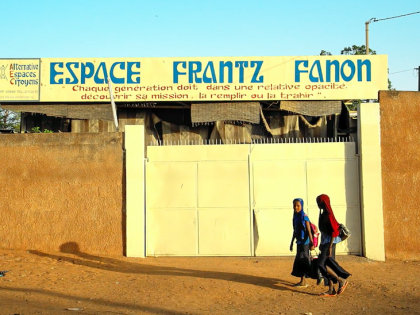
Mbembe’s 'Critique of Black Reason' is useful for our analysis of the postcolonial present.
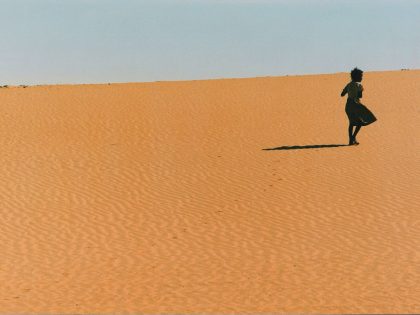
The future looks terrifying for many US-based exiles from Mauritania — facing deportation to Africa's modern "slave nation" under Trump's monstrous ICE.
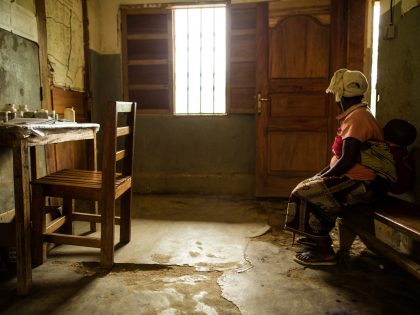
On the emergence and political work of the rape-resources narrative in the eastern DRC (Democratic Republic of the Congo).