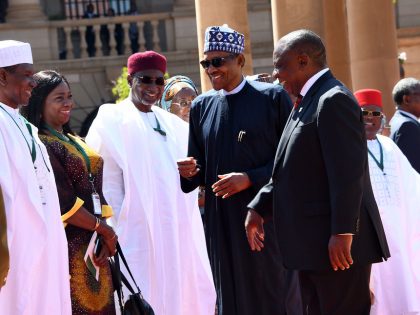
The most powerful man in Nigeria
The legacy of Buhari’s Chief of Staff, Abba Kyari, who died from COVID-19, helps us understand how powerful and yet constrained Nigeria's Presidency is.
The legacy of Buhari’s Chief of Staff, Abba Kyari, who died from COVID-19, helps us understand how powerful and yet constrained Nigeria's Presidency is.
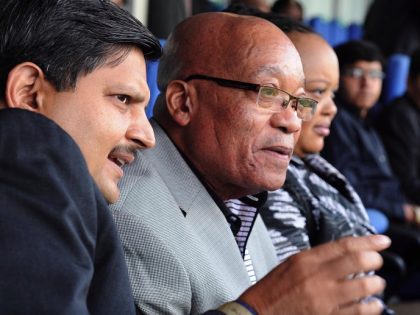
Rehad Desai's film celebrates the investigative journalists who expose the corruption of Zuma's regime in South Africa, comes with a depressing note: To date, no one has gone to jail.

Recent racist incidents in China are just a manifestation of deeply rooted attitudes vis-à-vis "blackness" in China that predate and will outlive COVID-19.

What can we learn from the 256 hours of audio recordings of the 1964 Rivonia Trial's proceedings?
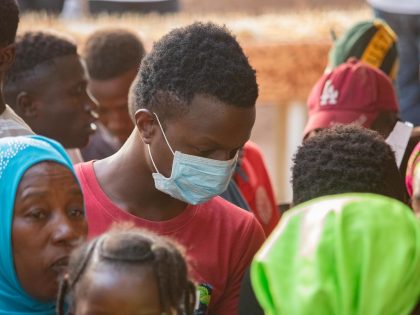
Why we need randomized controlled trials (RCTs) to find the best ways to treat COVID-19.

The new documentary on the future of our planet, executive produced by Michael Moore, fails on a number of fronts. But believers in green growth could still learn from it.
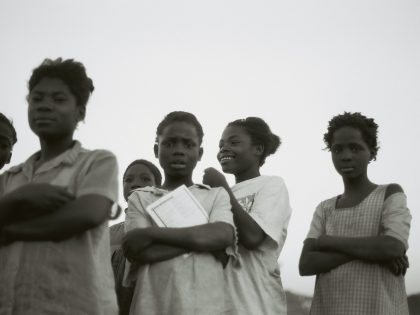
Afro-feminism does not make enough of an effort to connect with the African feminist movement, argues the founder of Eyala.
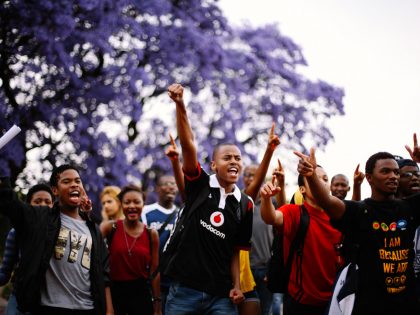
Today is the global launch of a new exciting political alliance. We have joined their wire service, the Wire, which brings grassroots perspectives to a global audience.
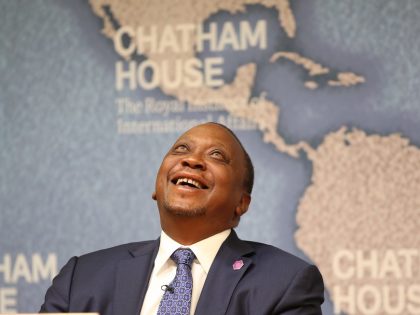
The fundamental flaws in President Uhuru Kenyatta's plan to make jails profitable.

Queen Sono may be Netflix’s most popular series, but it may not be the right home for the new wave of African film and television.
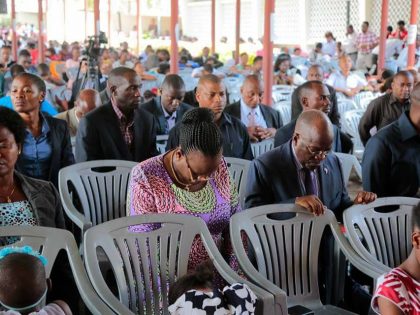
NGOs have been notably absent in the fight against COVID-19, despite claims they exist solely to ensure accountability and transparency by government.
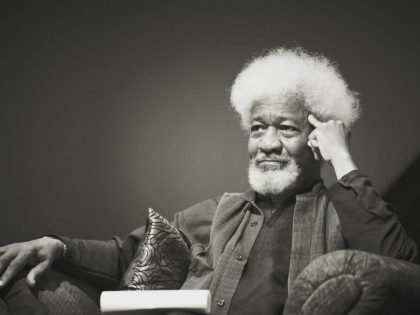
Among other notable achievements, Wole Soyinka made political music. In 1983, he even released an album.