The new and improved Africa is a Country is here
After weeks of promising you a new design, we're back with a brand-new and improved blog. This is a big day for us.
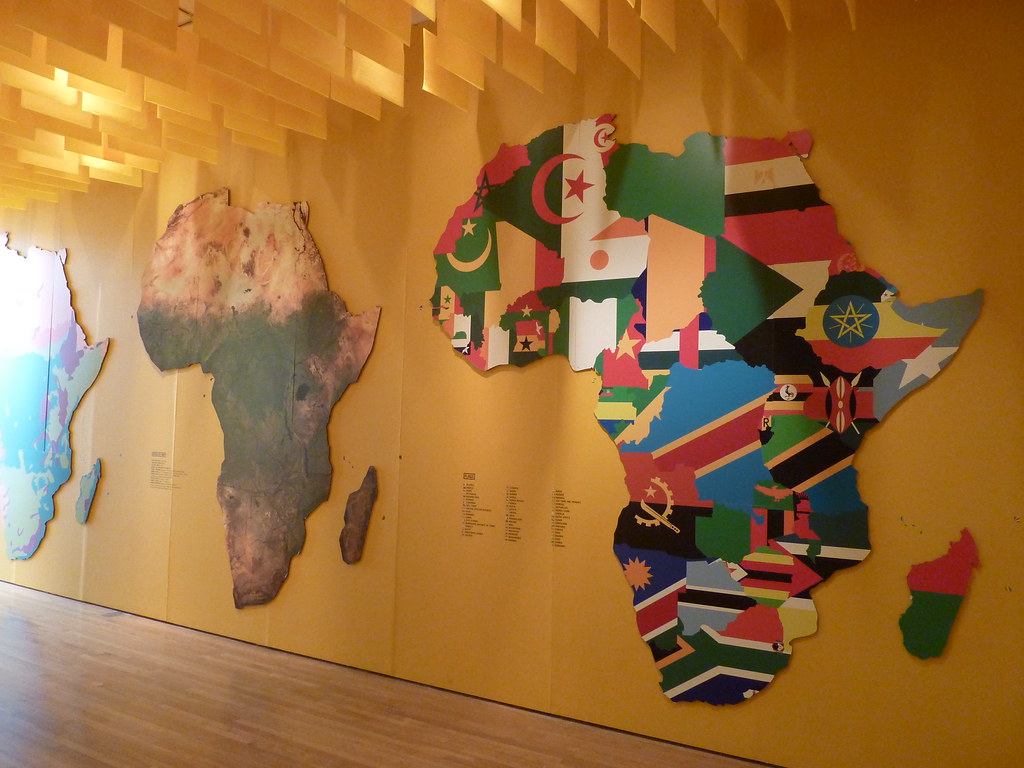
Photo: Gary Benbridge, via Flickr CC. (This is not our redesign, just an image to illustrate
June 12th is a momentous day in African history. To take two events: in 1964, Nelson Mandela – whose passing now seems imminent – and seven other African National Congress leaders were sentenced to life in prison for terrorism by an Apartheid South African court. Twenty nine years later, in 1993, three years after Nelson Mandela was released from prison, an election took place in Nigeria, the results of which was annulled by a military junta led by Ibrahim Babangida, who has since reinvented himself as a democrat.
But to more mundane and fleeting matters. June 12th, today, is also the day when after weeks of promising you a new design, we’re back with a brand-new and improved blog. This is a big day for us. We had to transfer our files from WordPress (we can talk about that frustrating process another time) so that took time. Don’t worry, the whole archive is here too (hopefully we’ll transfer the older archive of Leo Africanus, the blog’s original name, over here too at some point), so you can go back and read your favorite posts. Expect some glitches (minor ones we promise have to do with formatting). You can also read the blog in blog view: either click here or type this URL into your search engine: https://africasacountry.com/blog.
Now bookmark that.
Finally, this redesign is the work of Jepchumba, graphic designer and digital content creator (she’s also behind the excellent AfricanDigitalArt blog) whom we owe big time. So for today, find your way around the new site as tomorrow we’ll be back with our usual snark and cheerfulness.