Media
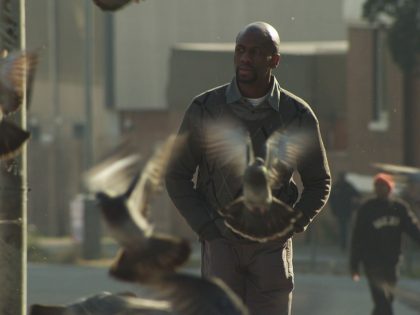
Akin Omotoso’s Country
A recurring theme in director Akin Omotoso's films is the fraught postapartheid relationship between Nigerian migrants and their South African hosts.
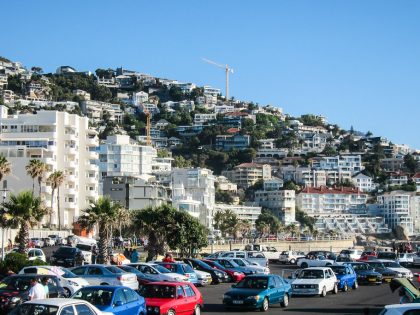
Pinkwashing South Africa
The positive media surrounding ‘Cape Town as a gay paradise’ obscures far more complex realities.
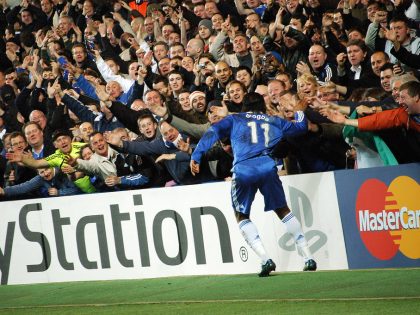
The Aura of Didier Drogba
Didier Drogba is the master of the unruly and the absurd: when he is in form, none of what the other team does matters.

Afropolitan Divas
Numbi, a gathering space for the Somali diaspora artists in the UK, expands its focus to include poetry and music from elsewhere in East Africa and elsewhere at a showcase in East London.
Radio Freedom’s Afrikaans Service
Learning that Radio Freedom, the exiled ANC's radio service, broadcast in Afrikaans, further undermines the idea of the language as belonging to the oppressor.

The elephant in the room
The DJ's, Venus X and Boima, talk about their approach to music, but also about their run-ins with tastemaker Diplo, who has shaped popular music tastes globally.
First as tragedy, then as farce
What is it with the conviction, held primarily in the West, that you can save yourself and the world (well, usually Africans) by shopping?
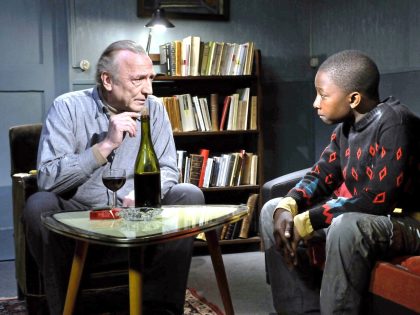
A French migration fairytale
A remarkable amount of new films in recent months have used migration, detention and illegal sea crossings as their subject matter.
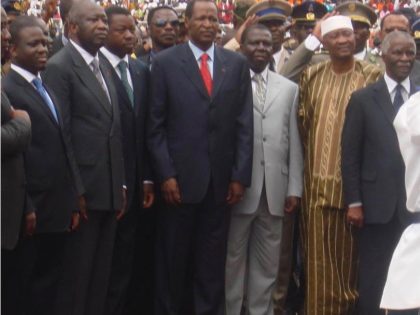
Don’t Talk About Somebody’s Mama
Malians have little patience for Amadou Toumani Touré, Mali’s former president, deposed in a coup on 22 March.
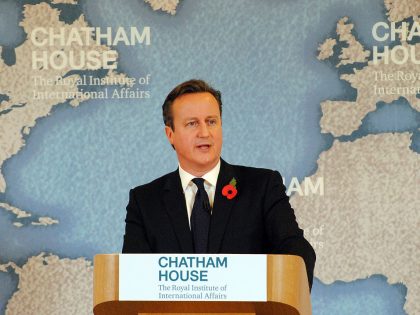
David Cameron’s Libya Doctrine
Britain's secret service, MI5, passed on sensitive information to their Libyan colleagues to torture dissidents.
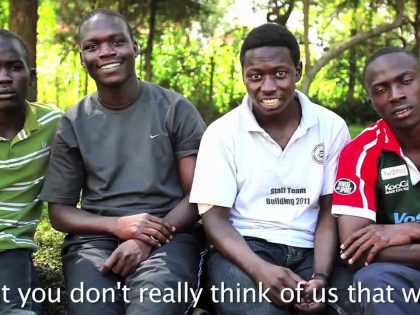
African Men
The video, "African Men. Hollywood Stereotypes," made by an American NGO, is part of the "Brand Africa" discourse that's all the rage now.