
Enduring grief in Enugu
Chika Unigwe’s novel, 'The Middle Daughter,' reimagines a Greek myth within a contemporary Nigerian context and develops it into a gripping family saga.
Chika Unigwe’s novel, 'The Middle Daughter,' reimagines a Greek myth within a contemporary Nigerian context and develops it into a gripping family saga.
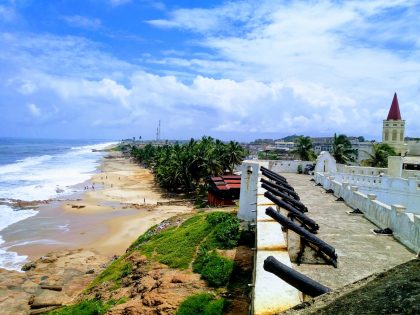
Even though Israeli novelist Agur Schiff’s latest book is meant to be a satirical reflection on the legacy of slavery and stereotypes about Africa, it ends up reinforcing them.
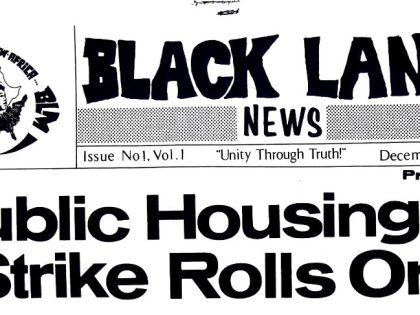
Two miles from the White House, 'Black Land News' forwarded a bold vision of political, economic, and cultural autonomy inspired by African decolonization struggles.
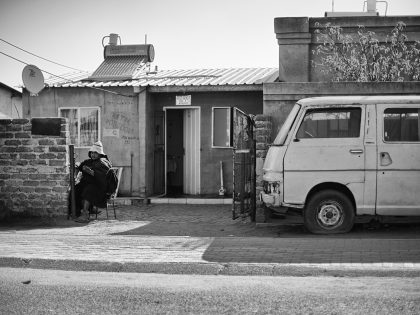
Once associated with socialism, the language of participation has been co-opted. How was this radical idea depoliticized?

Kayo Chingonyi's latest poetry collection is a powerful meditation on the cycle of infection, death, and mourning wrought by HIV.
In the 1960s, two African nationalist magazines shared a name — but declassified files reveal that they were on opposite sides of a literary Cold War.
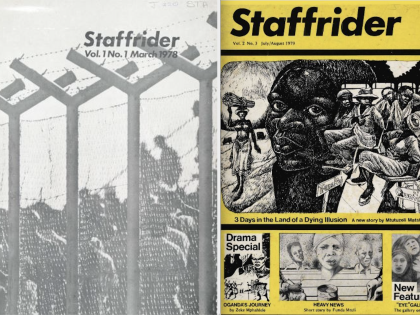
During apartheid, literary magazine 'Staffrider' flourished from its ability to represent multiple social visions. However, it struggled to achieve the same in democratic South Africa.
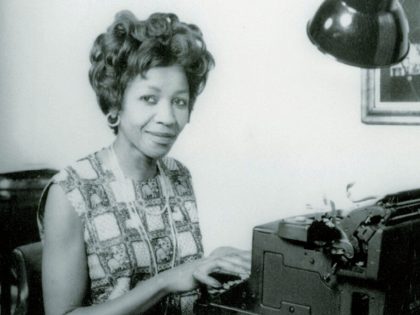
Noni Jabavu was one of South Africa’s most trailblazing writers. Her commitment to elite ambivalence makes it difficult to hail her as a black feminist icon.
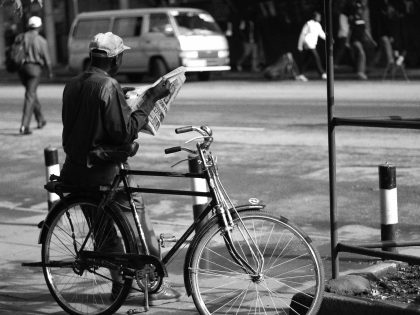
For Binyavanga Wainaina, writing about Africa means to to write honestly, benching any attempts to categorize our lived experiences in language that could never accommodate them.
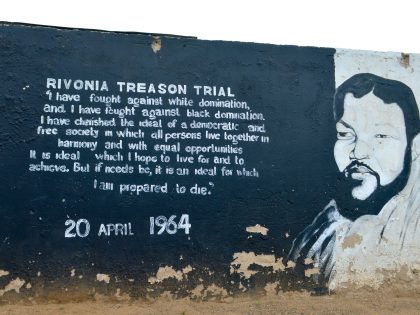
Nelson Mandela is deified everywhere. But typically missing is an account of his early years, when he insisted that Marxism be responsive to South African conditions.
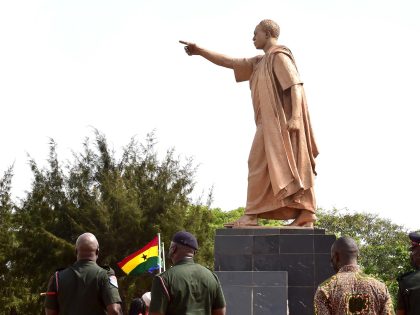
Ismay Milford’s new book takes us into the world of anticolonialism, giving us a rich account of the struggles of a cohort of activists from east and central Africa.
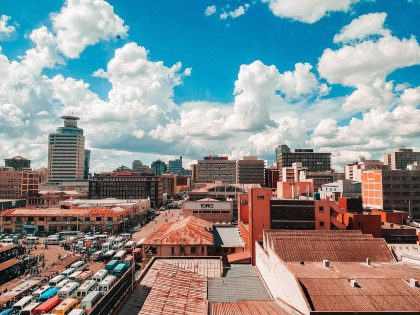
Writer, filmmaker and activist Tsitsi Dangarembga entwines the troubled story of herself and her country Zimbabwe in the book of essays, 'Black and Female.'
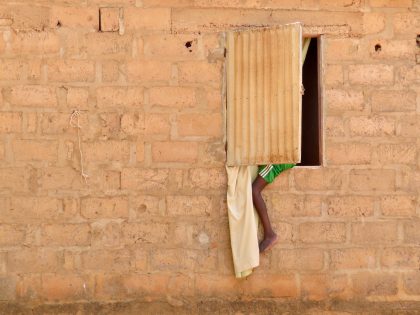
What peanut trading in late 19th century Senegal tells us about the fine line between slavery and freedom.
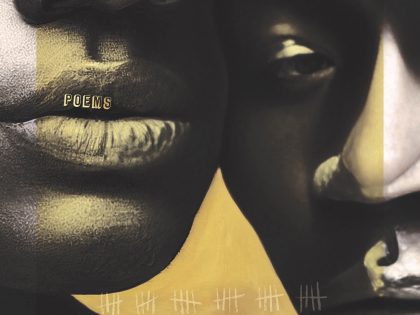
Nigerian Canadian poet Ayomide Bayowa discusses the influences behind his latest poetry collection.
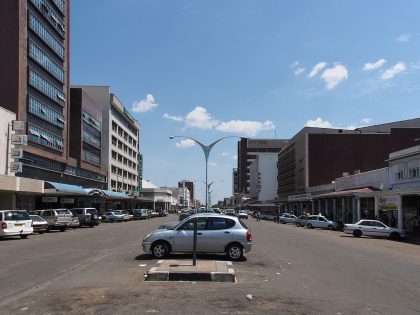
Zimbabwean founding father, Ndabaningi Sithole, has largely been edited out of the country’s history. But thanks to the tremendous archive of writing Sithole left behind, we can edit him back in.
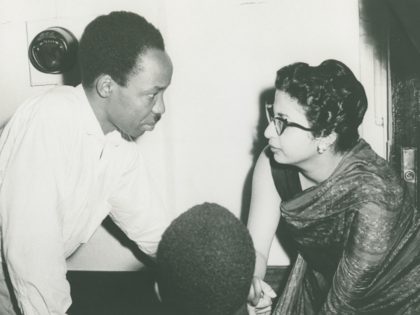
Many know Frene Ginwala, the iconic anti-apartheid activist, as democratic South Africa’s first speaker of parliament. But few know of her time building pan-African media in Dar Es Salaam.
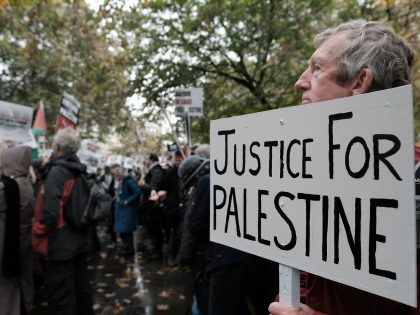
The struggle in Israel-Palestine lacks a sense of inclusivity, like in South Africa, that aims to take over and transform the state into a democracy for all its citizens.
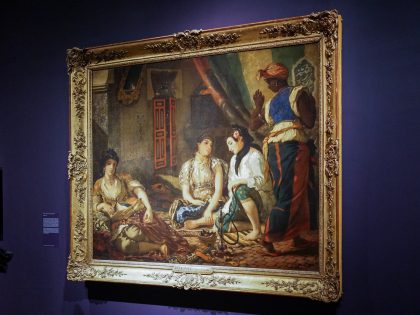
Leila Aboulela’s historical novel of nineteenth century Sudan tells the story of one of Africa’s first successful, anticolonial uprisings.
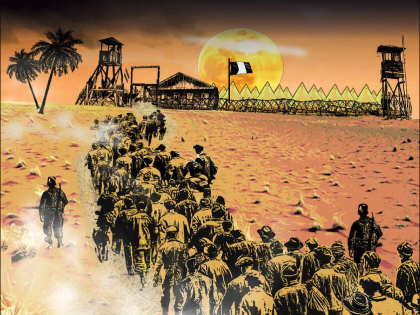
A fascinating new graphic novel sets out to describe the effects of Nazi and collaborationist policies on the inhabitants of French-controlled colonies and protectorates of World War Two North Africa.
While editing a collection of the writings of South African feminist Lauretta Ngcobo, Barbara Boswell found inspiration in texts that reflected Ngcobo’s sense that writing is an exercise of freedom.