
Africa as Science Fiction
Science fiction as genre offers the opportunity to African artists to consider Western cartographies of the future as fictions in their own right.
Science fiction as genre offers the opportunity to African artists to consider Western cartographies of the future as fictions in their own right.

A film about a Sudanese migrant to America explores a general fact of contemporary existence.

A remarkable amount of new films in recent months have used migration, detention and illegal sea crossings as their subject matter.
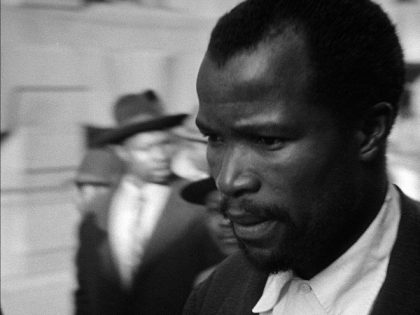
The film, "Come Back, Africa," first released in 1959, challenged how white liberals imagined black people or tried to shape their struggles in South Africa.
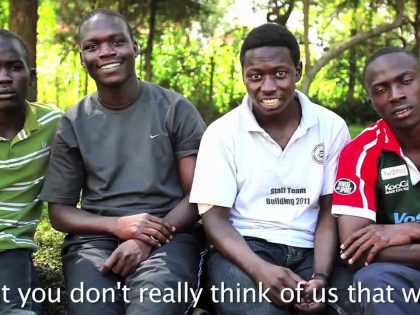
The video, "African Men. Hollywood Stereotypes," made by an American NGO, is part of the "Brand Africa" discourse that's all the rage now.
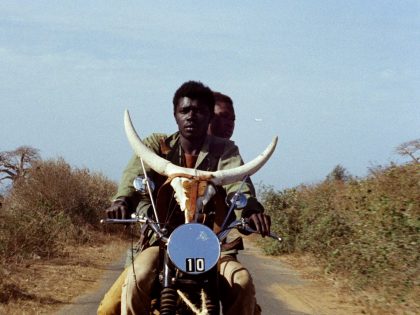
Djibril Diop Mambéty's film "Touki Bouki" is an excellent example of how the contemporary can be read through the (re)construction of myths and narratives from a collective memory.

One of the striking facts of Nabil Ayouch's film is that Israelis love the land and the Palestinians love it too.
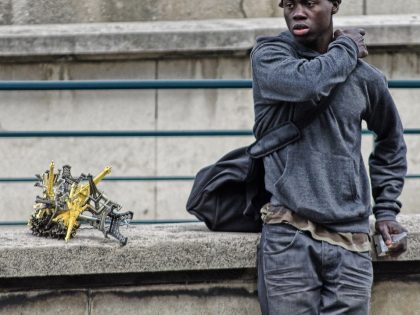
Younger generations of artists, many immigrants of African origin, are reconfiguring the arts in France on their own terms.
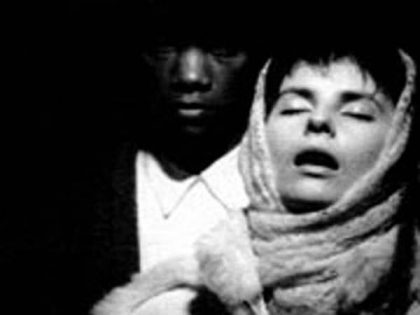
Abderrahmane Sissako’s oblique suggestion of what a ‘socialist friendship’ might be in his first film, "October" (1993) set in a then-declining Soviet Union.
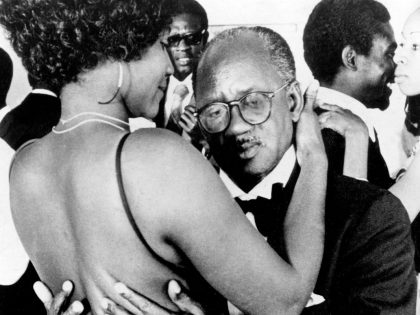
Ousmane Sembene's "Xala" (1974) is a powerful political narrative. At times edging toward the surreal, at others an acute depiction of the complexity of the freshly independent Senegal.
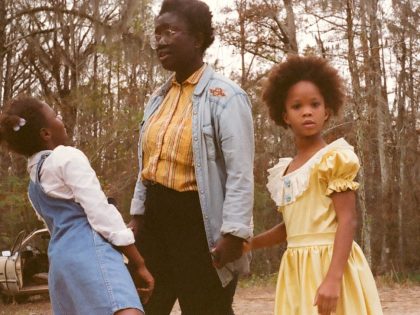
The director, Frances Bodomo, originally from Ghana, talks about her film "Boneshaker" and African globalization.
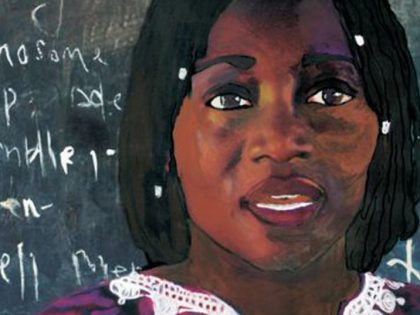
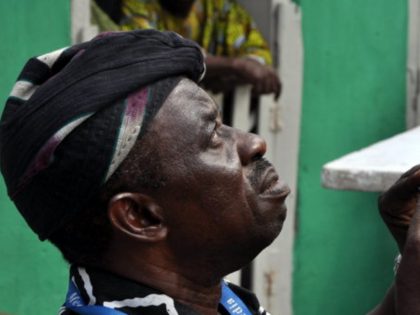
Tunde Kelani's "Maami," a tale about a former professional footballer, is bold and stylish film-making, and it deserves a wide audience.


They're making a film about "a love story set in Cape Town South Africa that chronicles the life of Leila, a young Cape Malay girl who falls in love with an American boy, Derek, who happens to be black."