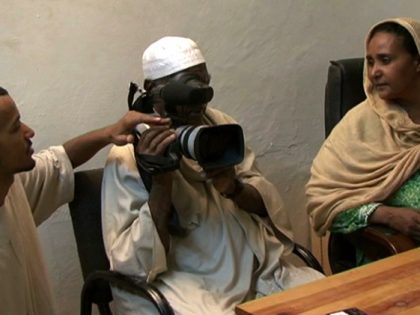
The Sudanese pioneer of African cinema
In 1969, Gadalla Gubara and his friends, Ousmane Sembene, Timité Bassori and Mustapha Alassane came up with an idea: FESPACO.
In 1969, Gadalla Gubara and his friends, Ousmane Sembene, Timité Bassori and Mustapha Alassane came up with an idea: FESPACO.
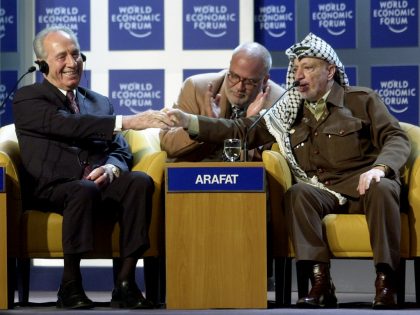
A new series of documentaries explore the politics of leadership via an imaginative, malleable, deeply personal treatment of history.
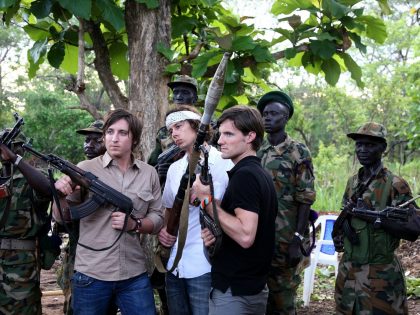
A big part of the story that is being missed about Invisible Children is that they're firmly rooted in Evangelical Christianity.
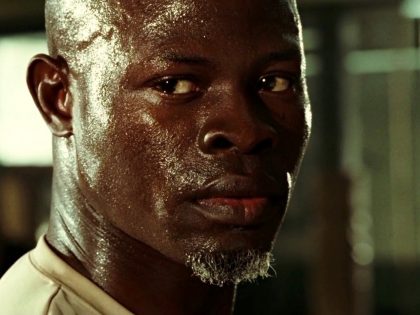
Actor Djimon Hounsou doesn't take his own advice about the media he makes about Africa.
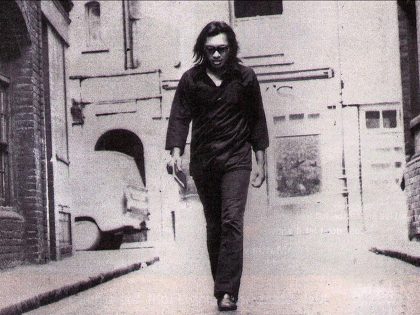
Detriot singer Sixto Rodriguez’ albums are masterpieces - at times on par with some of Bob Dylan's work - but he was only famous in South Africa
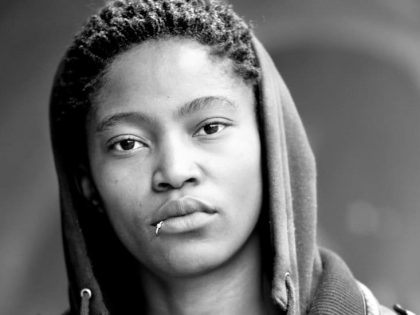
A quick review of films showing at two festivals with a focus on gay people: The Out in Africa Festival and the London Lesbian and Gay Film Festival.
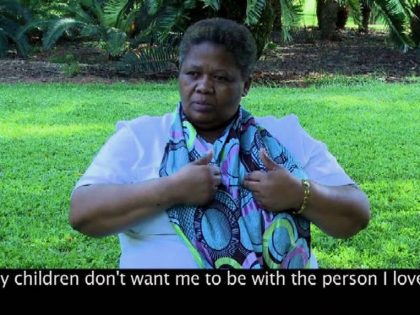
Writing gays and lesbians into the political and social history of South Africa – a history from which LGBT people are so often obscured and ignored.
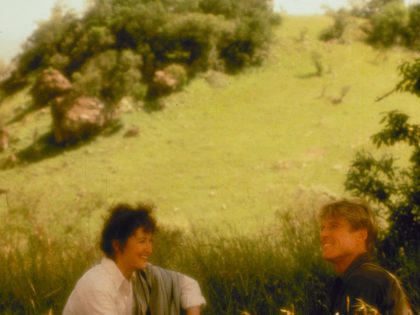
Feature films produced for the Afrikaans market in South Africa, have many distinctive characteristics, including that they're exclusively white.
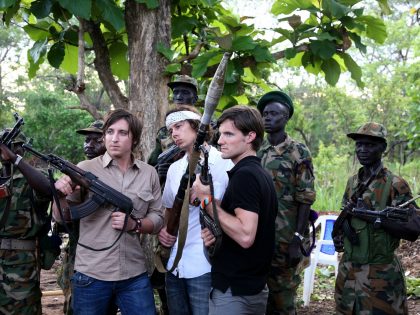
The power to choose on social media who is to be the next target of America’s moral manhunt, all with the benediction of a panel of biddable celebrities.
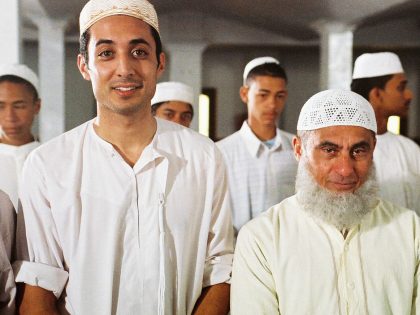
The South African comedy drama, "Material," portrays Muslims and Islam without resorting to the regular comedic clichés and slapstick.
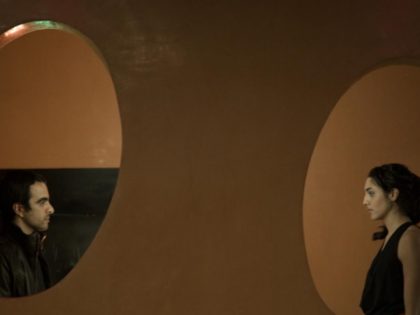
The 2012 edition of the Berlinale includes a number of films from Africa or with African themes.
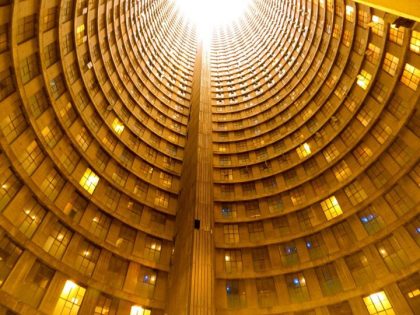
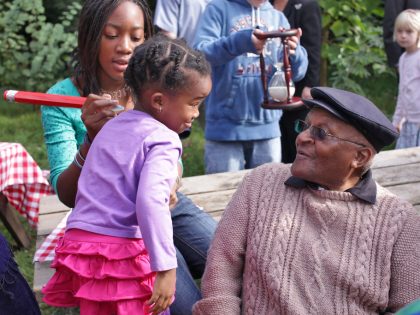
On the screen, South Africa's TRC has invariably been sensationalized into a showcase of trauma-as-entertainment.
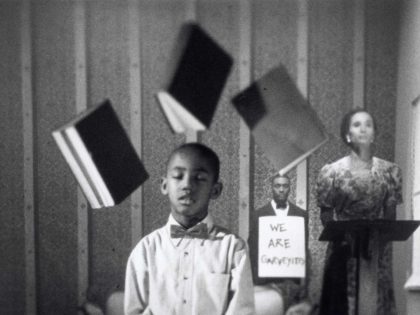
John Akomfrah's 'The Nine Muses' obliquely tells the history of migration to Britain in the 1950s and 1960s.