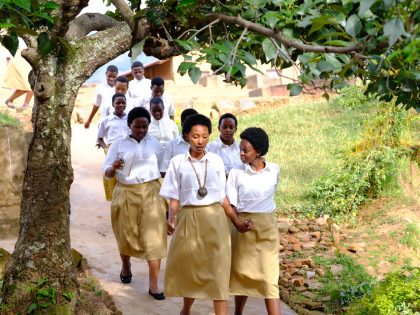
Decolonizing the Lens
Because of the 1994 genocide, Rwanda occupies a complicated place in the world’s imagination. A new film, about the preceding 1973 pogrom, wants to demystify that view. Does it succeed?
Because of the 1994 genocide, Rwanda occupies a complicated place in the world’s imagination. A new film, about the preceding 1973 pogrom, wants to demystify that view. Does it succeed?
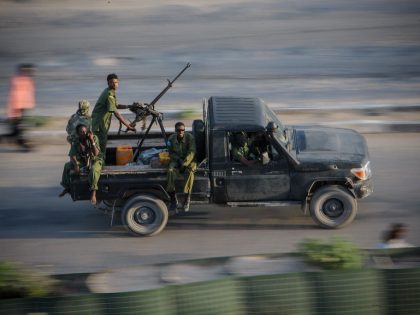
The United States’ military operations in Somalia are not well known because they'e carried out secretly or via proxies. COVID-19 hasn't slowed them down.
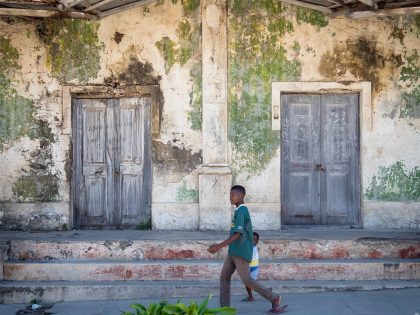
The climate crisis, resource extraction, and the insurgency by a group claiming affiliation to ISIL in Mozambique’s Cabo Delgado province.
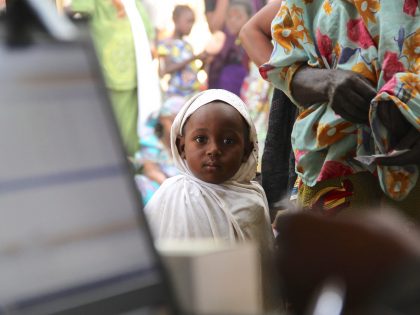
Are the international community and the African Union really powerless to stop the fratricidal war in Cameroon, or are they just indifferent?
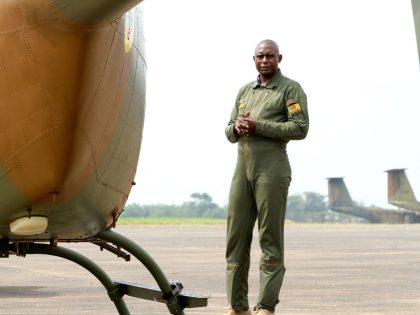
The use of a singular narrative to explain the divisions within Cameroon belies the reality that both anglophones and francophones are complicit in the conflict.

The French philosopher and TV personality favors spectacle over analysis. The result: we don't make sense of political violence in Nigeria.
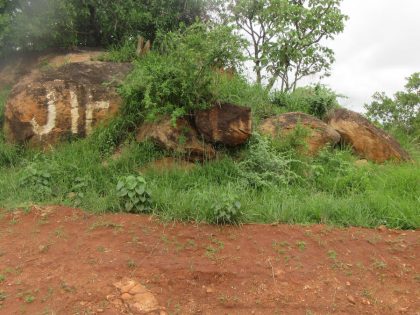
War, peace, and cooperation among herder-farmers in northeastern Uganda.
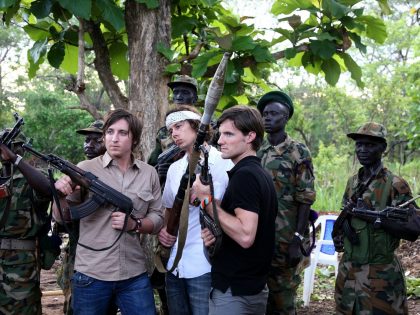
A new film about Kony 2012 is a lesson in how not to fight simplification with more simplification.
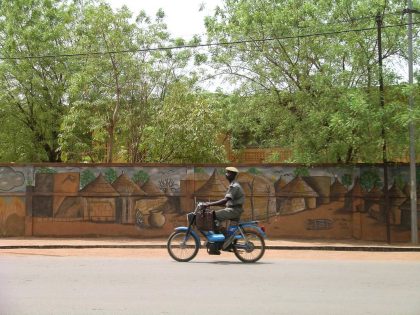
Burkina Faso's security crisis and its new status quo of permanent military intervention will test the resilience of its political institutions.
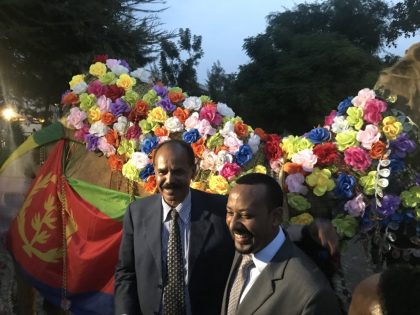
Does the peace deal between Ethiopia and Eritrea — now rewarded with a Nobel Prize — bring the kind of cooperation between the two countries that it aspired to do a year ago?
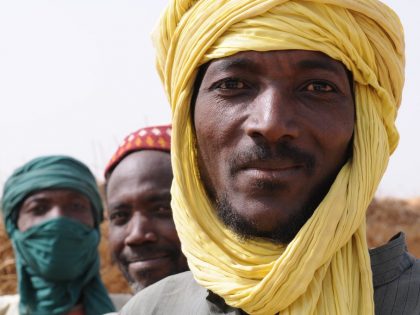
How local conflicts in the Sahel-Sahara over justice, or rather its absence, get dragged into tensions between outsiders.
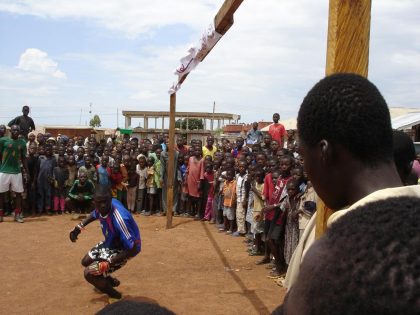
What we know about conflicts over chieftaincy in northern Ghana.
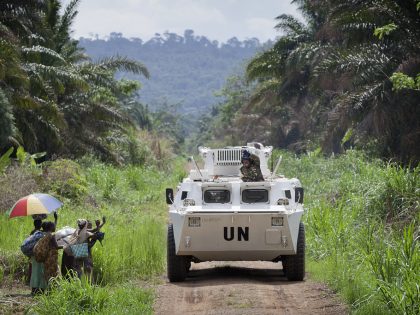
In the Bukavu Series, researchers from two Congolese and two European universities explore how they interrogate violence in the DRC.
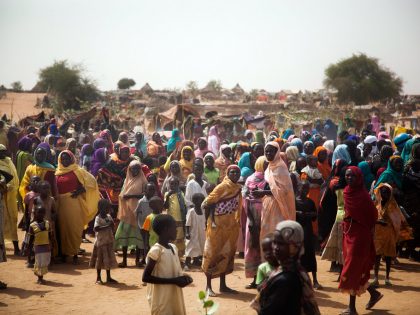
Lasting peace in Sudan's Darfur region - 300,000 people dead and millions displaced by regime violence - should be a priority for #SudanUprising.
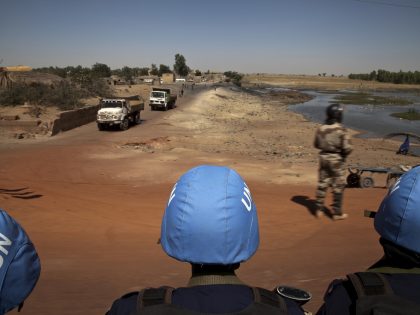
Mali can't guarantee its citizens that it will protect them.
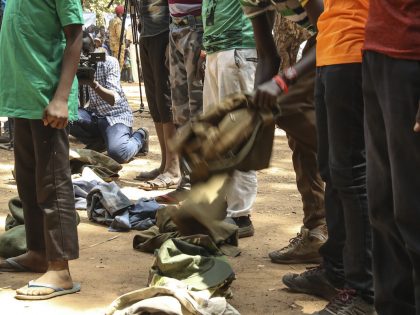
Youth activism and the politics of violence in South Sudan.
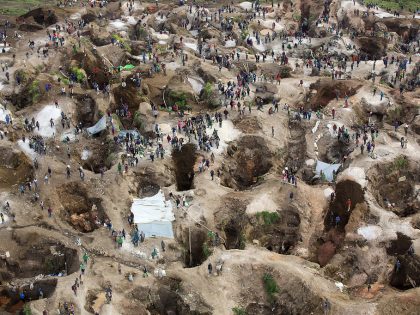
Policymakers need to properly assess the risks to ordinary Congolese people from expanding the “conflict minerals” category.
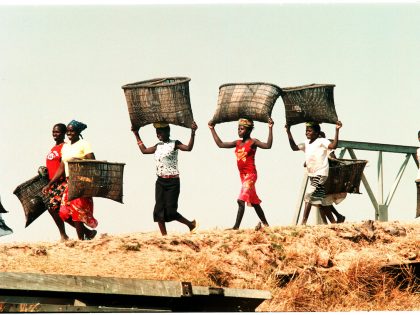
A series of photos documenting the contemporary state of the site of perhaps the most decisive battle in the liberation of Southern Africa.
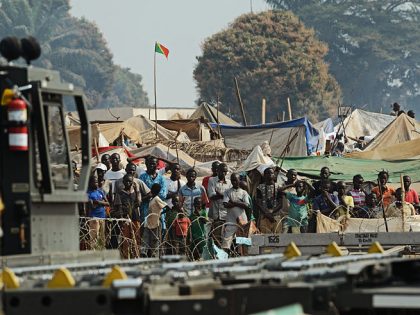
It is key that peacemaking in the CAR prioritize inclusion of minorities, especially Muslim and Peuhl Central Africans.
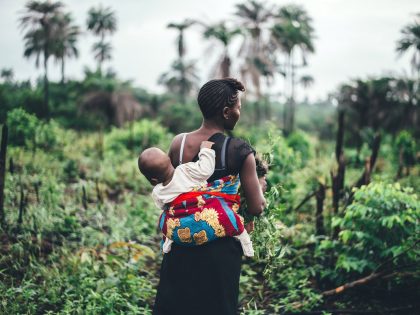
In Sierra Leone, politicians make promises to youth in exchange for support in elections, but they rarely deliver. This must change.