Africa is a Science Fiction Superpower
A film series in London explores what it would mean imbuing Africa with extra-terrestrial powers. We speak to the curators, Al Cameron and Nav Haq.
Search Result(s) for: “London”
A film series in London explores what it would mean imbuing Africa with extra-terrestrial powers. We speak to the curators, Al Cameron and Nav Haq.
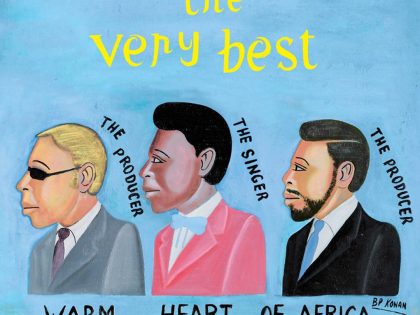
When the dance pop of London-based The Very Best, with one African member (the other two are French and Swedish) is described as very African.
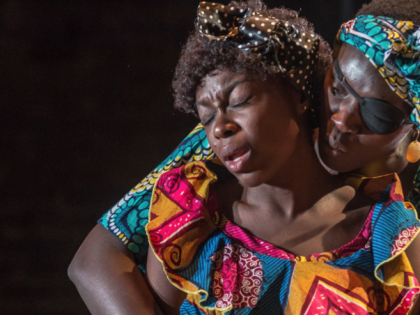
What can we do for 'the worst place in the world'? Surely this play in London, is not the thing.
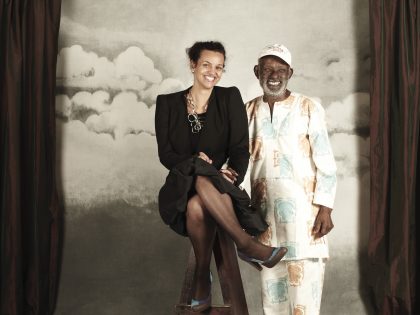
Riason Naidoo talks to the curator and editor of a book and traveling exhibition about the work of the legendary, 90 year-old Ghanaian photographer.
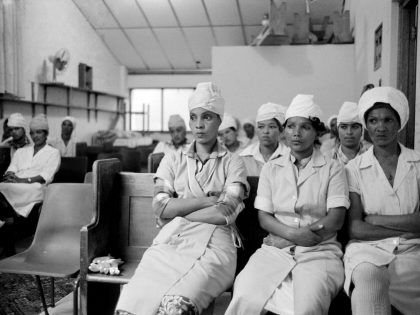
Dennis Brutus described Arthur Nortje as “perhaps the best South African poet of our time.”
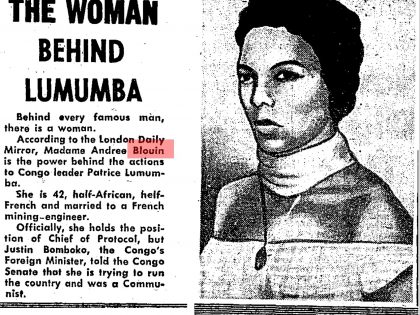
The life of Lumumba advisor, Andree Blouin, offers lessons about the historically racialized and sexualized representations of women of color in politics.
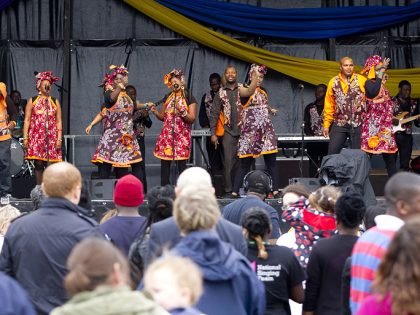
The producer of a BBC podcast on West African identity in Britain discusses her experience making, and the impetus for creating the series.
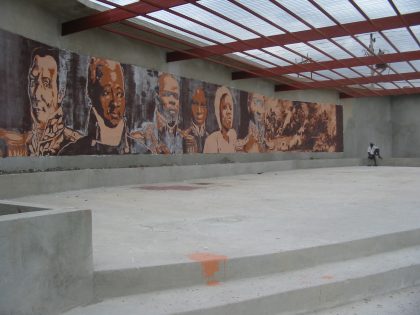
On this week's AIAC Talk: Haiti is not down on its luck, it is deliberately under-developed by Western powers.
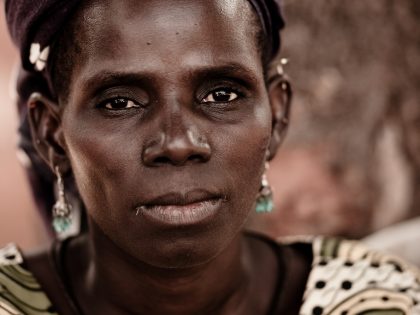
Burkina Faso is a rare recent instance of a popular movement that managed to directly topple a sitting government.

Zoë Wicomb thinks she knows why black South African readers appreciate Damon Galgut’s Booker Prize-winning novel 'The Promise' (2021) whilst many white readers were turned off by it.

Author RW Johnson's latest aberration is a mix of fiction and lazy research that misrepresents anti-apartheid struggle leaders.
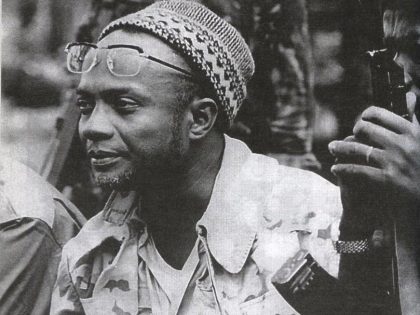
Amilcar Cabral remains inspirational for Africans and non-Africans challenged by injustice and oppression.
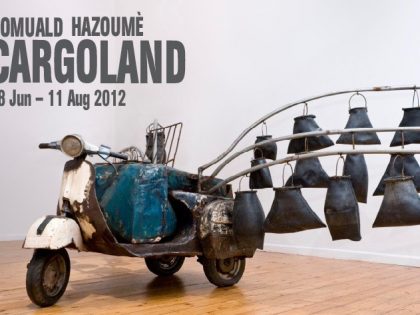
Romuald Hazoumé reminds us that like the perishing oil reserves being plumbed in Africa and around the world, water may soon also be fiercely fought over.
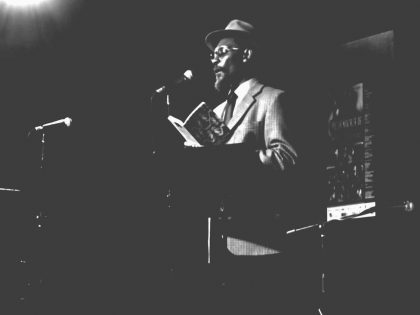
The originator of dub poetry talks about the role of culture in politics, antiracist and class struggle in the UK.
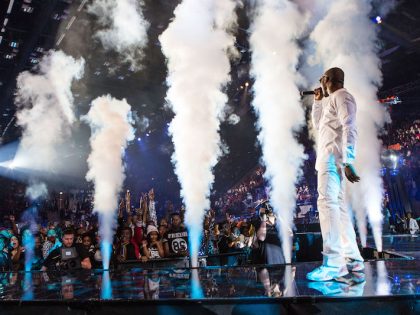
Considering the proximity of celebrity culture to how capitalism operates in Africa, why is it not given more serious attention?
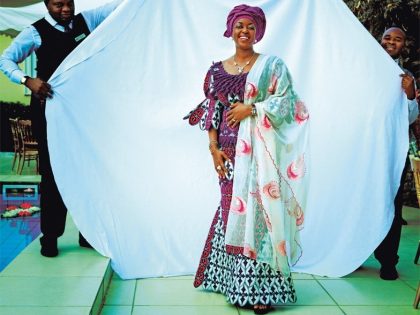
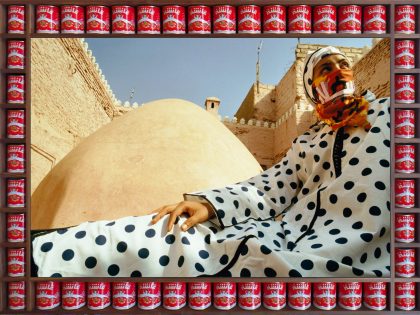
The artist Hassan Hajjaj frames his portraits of ordinary Moroccans with a neat shelf crammed with 7 Up and Coca-Cola cans, symbols of a burgeoning import market and aspiration.
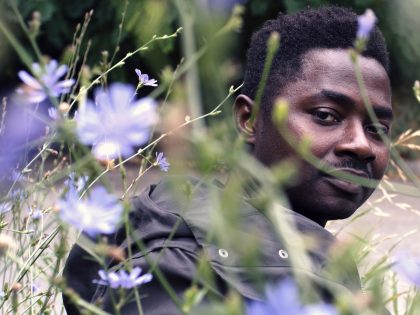
An interview with Berlin-based Sierra Leonean electronic musician Lamin Fofana on Europe's longtime fascination with African culture.