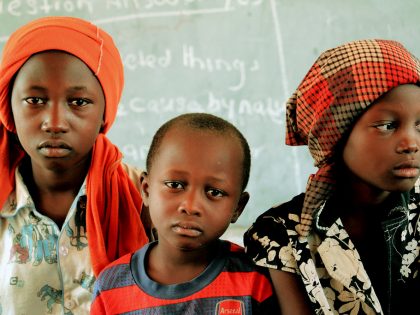
The politics of conversion in northern Nigeria
Forced conversion as a strategy exclusive is not to Islamist terrorism in northern Nigeria. Everyone's been in on the act.
Search Result(s) for: “india”
Forced conversion as a strategy exclusive is not to Islamist terrorism in northern Nigeria. Everyone's been in on the act.
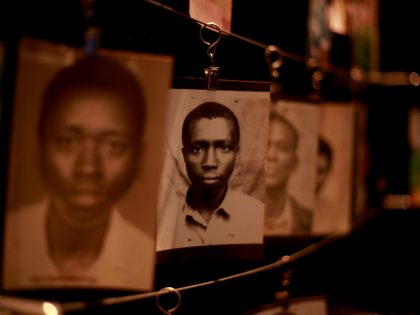
An extract from Mahmood Mamdani's seminal study, 'When Victims Become Killers: Colonialism, Nativism, and the Genocide in Rwanda."
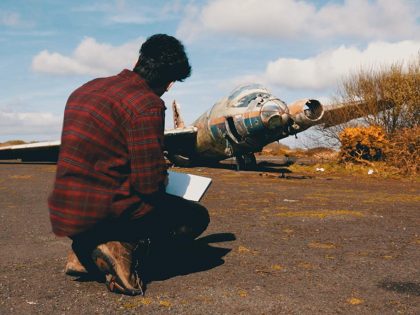
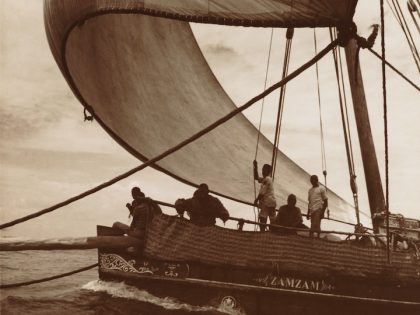
Exile and memory from East Africa to the United Kingdom and back again.
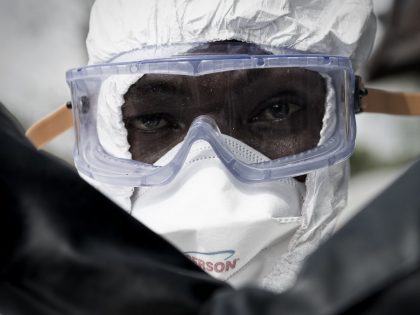
I am afraid of Ebola because it is an enemy of critical and balanced thinking about Africa, about disease, about our common humanity.

Israel's arms exports to African countries has more than doubled in the last four years: African countries spent $223m on Israeli arms in 2013 compared to $107m in 2012.
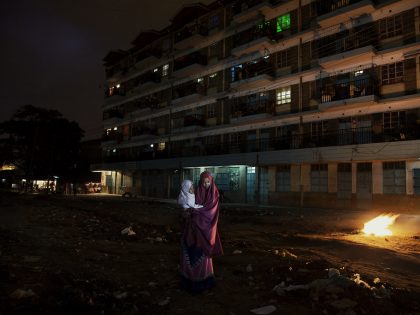
In Kenya, women are organizing against the gender and moral police. Theyr'e using hashtags: #SavetheMiniskirt, #StripMeNot and #MyDressMyChoice.
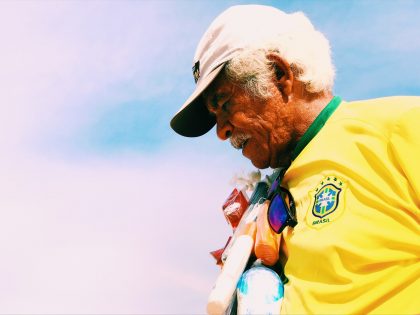
Brazil, under the Workers' Party, even if it’s still struggling with enormous poverty and social inequality, has managed to improve tremendously.

When the widows of Marikana tried to wake up their husbands from their graves by yelling at them.
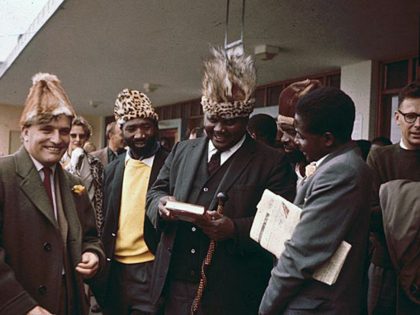
If you studied history in Zimbabwe in the 1980s and 1990s, you could not avoid the influence of Terence Ranger, especially in making sense of nationalism.
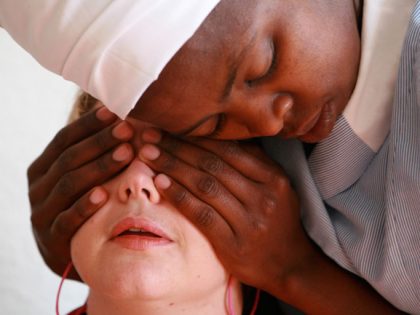
South Africa has 52 million people. Around 1.1 million are domestic workers. 54,000 of those are under the age of fifteen.
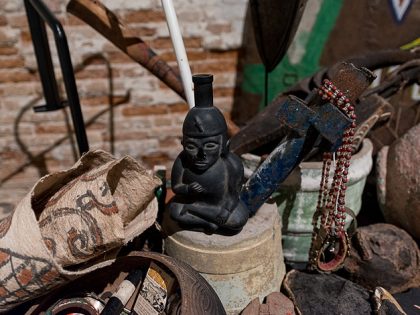
Okwui Enwezor’s “All the World's Futures” is a radical attempt at shifting the paradigms of biennale models to create a more democratic society of artists and exhibition spaces.
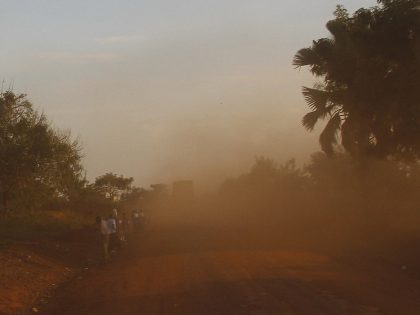
An open letter addressed to Jeff Fager, Executive Producer of the American TV news program, 60 Minutes, over its reporting of Africa and Africans.
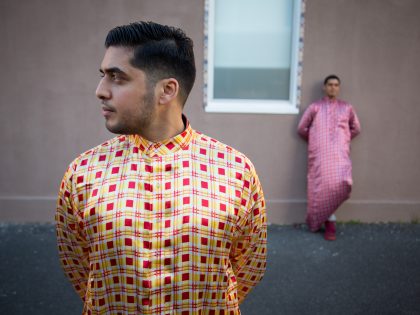
Cape Town artists, Hasan and Husain Essop, tackle the struggle for land, adequate housing, education and equality in South Africa in their work.
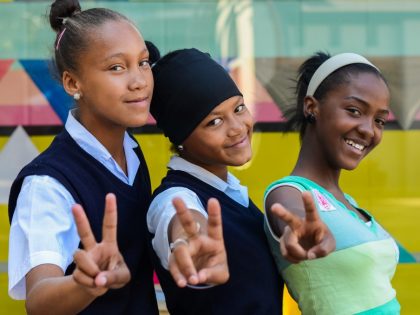
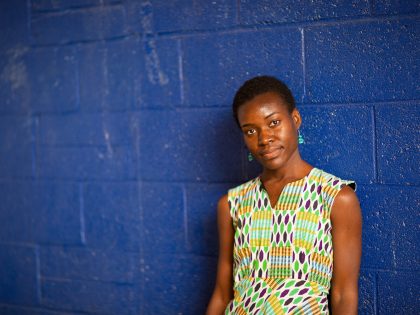
In the past year, Robtel Neajai Pailey has seen her Liberian passport scrutinized more intently than ever before.
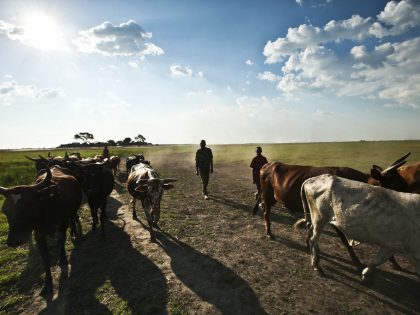
The rhetoric around “Africa rising” is giving us a false sense of comfort and distracting us from the real work that needs to happen.
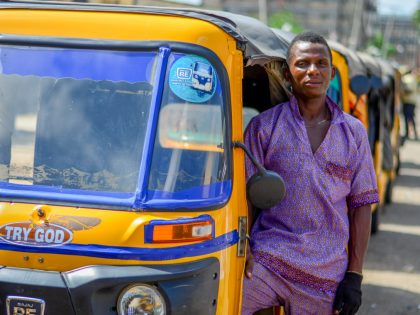
Offering a glimpse at daily life in the West African mega city.