
Achille Mbembe’s decolonization
Mbembe’s work serves as a guide to understand our fragmented global present and the urgent matter of charting ways out of our shared dark night.
Search Result(s) for: “achille mbembe”
Mbembe’s work serves as a guide to understand our fragmented global present and the urgent matter of charting ways out of our shared dark night.
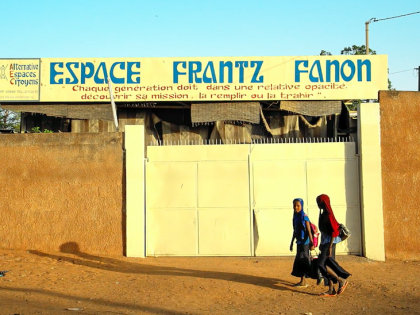
Mbembe’s 'Critique of Black Reason' is useful for our analysis of the postcolonial present.
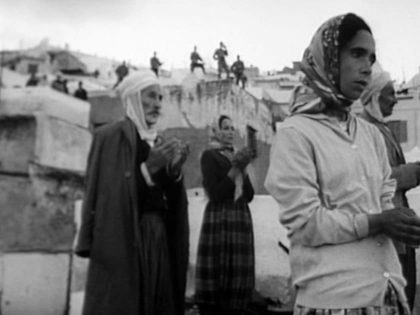
What gives Fanon's thinking its force and power is the air of indestructibility and the inexhaustible silo of humanity which it houses, argues Achille Mbembe.

This planetary turn of the African predicament will constitute the main cultural and philosophical event of the 21st century, argues Achille Mbembe.
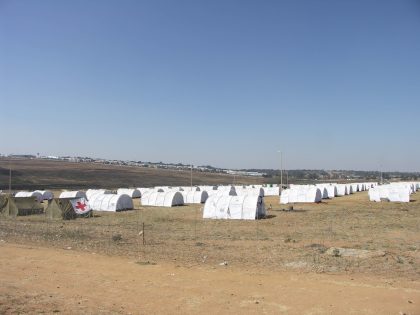
Why has this country historically represented a “circle of death” for anything and anybody ‘African’?

Achille Mbembe argues that “decolonization” is in truth a psychic state more than a political project in the strict sense of the term.
An interview with Achille Mbembe, including on the consequences of global capitalism on the continent.

Achille Mbembe on how the Ebola Crisis exposed Africa’s dependency on the West.
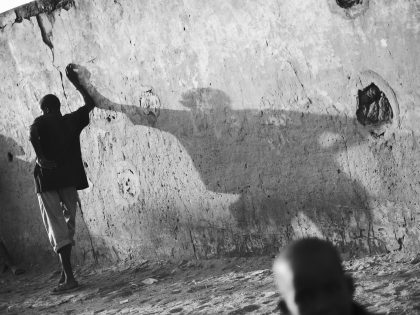
The political philosopher Achille Mbembe’s latest book asks us to emerge from the enclosure of race.
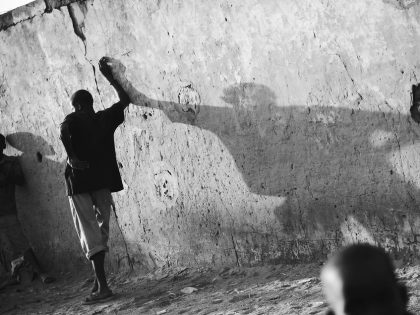
if Africa wants to re-imagine itself it will have to look somewhere else than to Europe which “seems to be gripped by an enormous desire for apartheid.”
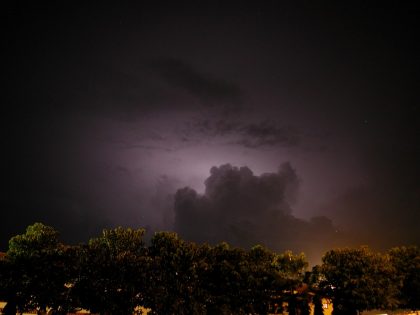
Paranoia is my friend since, as Achille Mbembe says, “the pandemic democratizes the power to kill; now we all have the power to kill.”

This plastic instrument will generate controversy where it will sound, carrying along to the new continents the singular experience that was the World Cup in South Africa.

The capacity to decide who can move, who can settle, where and under what conditions is increasingly becoming the core of political struggles.
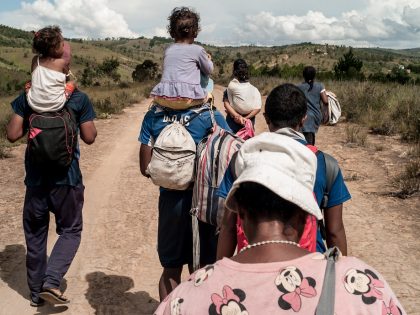
Are we capable of rediscovering that each of us belongs to the same species, that we have an indivisible bond with all life?
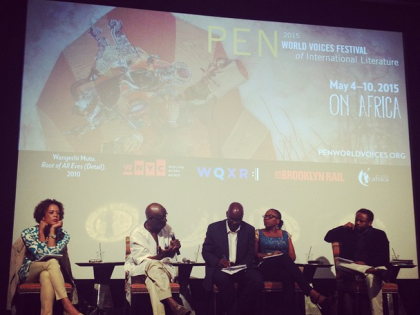
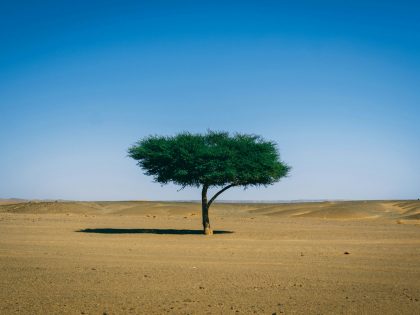
Development agendas framed around “resilience” promise empowerment but often reproduce colonial power dynamics in the guise of climate adaptation.

The author writes about books whose true power comes from excavating the perennial endemic diseases that never leave our sight.

If we could ask our readers (and critics, and everyone else) to pick Africa's most insightful intellectual, who would they pick?
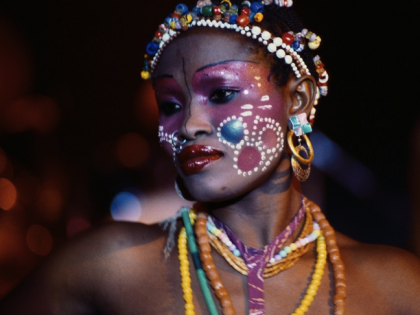
What can the lives of the women behind Afrobeat tell us about creativity, resistance, and the interplay of power and pleasure in 1970s Nigeria?