South Africa
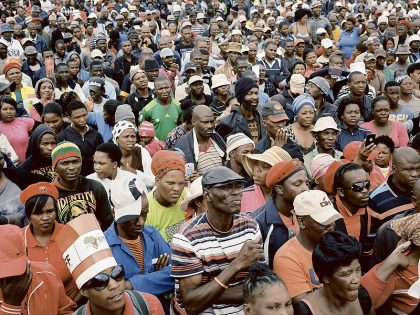
The lesson of Marikana
The relationship between the massacre of workers at Marikana and the rational destiny of market fundamentalism.
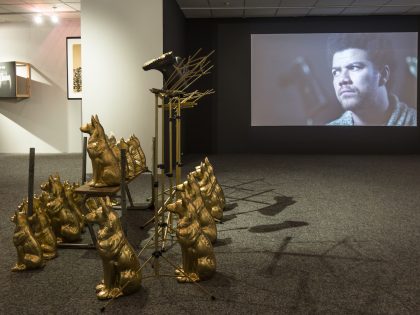
History will break your heart
An interview - captured on film - with Cape Town-born artist Kemang Wa Lehulere about his work.

Buying, Swapping and Selling domestic workers
The blinding privilege of South Africa’s ‘white’ middle and upper class which has found new means of subjugation: online community groups.

Colombia and the search for truth
The agreement to establish a truth commission for Colombia have the sides looking at the South African experience.
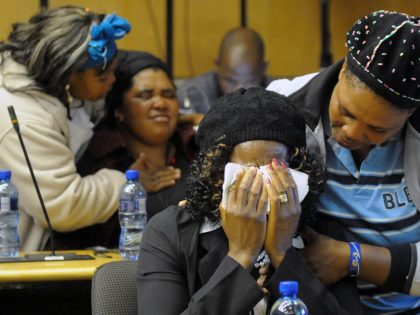
No country for widows
The astonishing lengths to which the South African state went to demean and diminish Marikana miners, dead and living, and their loved ones.
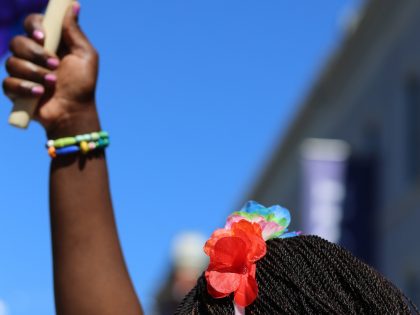
What Does Democracy Feel Like for Gay South Africans?
During a visit to Durban Pride, the authors conclude that democracy feels strange. For one, it feels like increased LGBTI visibility and increased backlash.
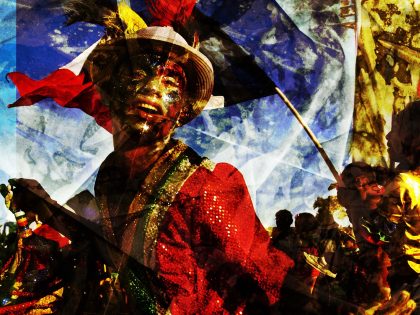
African films in Colombian cinemas
How would Colombian audiences react to films from Africa?

Taking white privilege abroad
“Ex-South Africans” are a white, right-wing strain of South Africa’s diaspora that identify with and longs for the South Africa of apartheid.
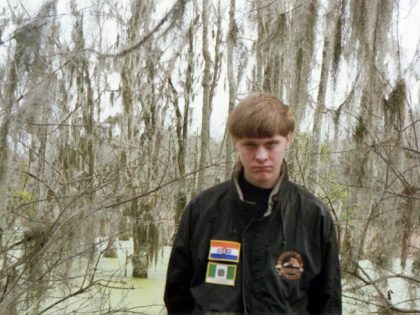
The US nostalgia for racist regimes in Africa
The terrorist Dylan Roof is by no means the first white American to find common cause with racist colonial regimes in Africa.
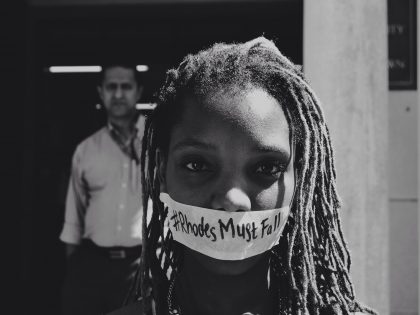
Freedom, youth and remembrance
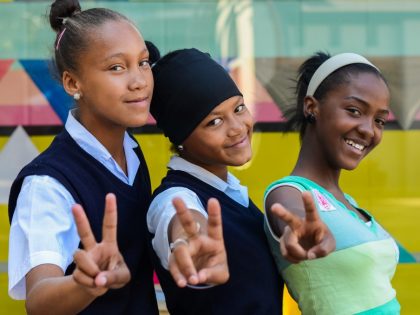
In the documentary "Remembered Futures" the filmmakers interrogate the ways South Africans understand their own history and how this affects their futures.
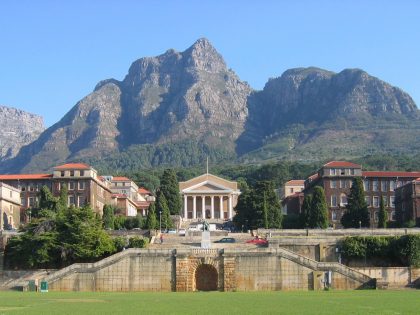
Decolonizing the University
What to do with the universities South Africa inherited from the violences of Apartheid.
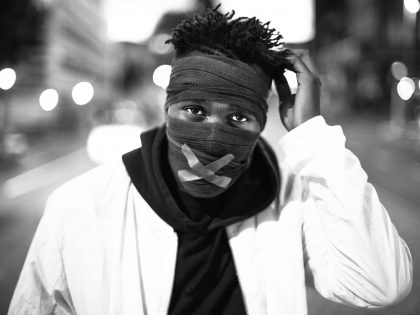
The Adventures Of Uno July
South African hip hop audiences blatantly ignore Ill Skillz’ craft because they're from Cape Town.
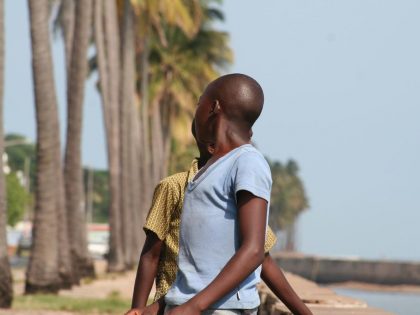
Thoughts on xenophobia from a South African in Mozambique
On Mozambican TV, South Africa is divided between the people of good will with their pots of rice, and the people of Goodwill with their knobkieries and pangas.
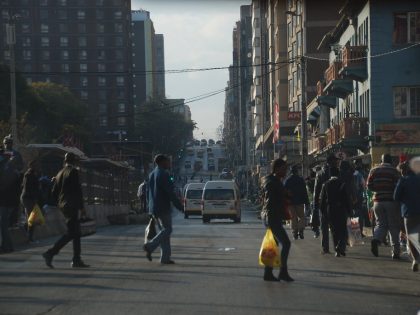
Liberating Ourselves from our Liberators
The truth of our global age is that autochthony, nativism, or heritage no longer define us exclusively. So, solidarity based on phenotype or heritage is dangerous.

The old is dying and the young ones have just been born
These young ones who have just been born do not respect authority simply because the rules say they should.