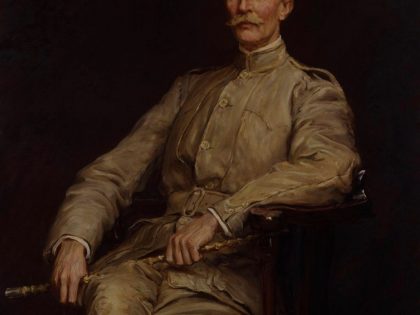
Who sold Nigeria to the British for £865k in 1899?
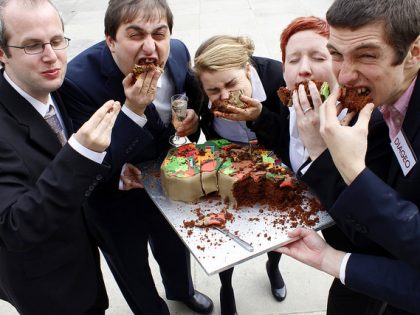
The Royal Niger Company and the founding of what became Nigeria.
The Royal Niger Company and the founding of what became Nigeria.
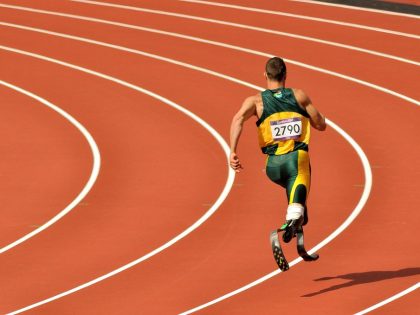
For accurate, detailed and nuanced information about violence against women in South Africa, don't read The Economist.
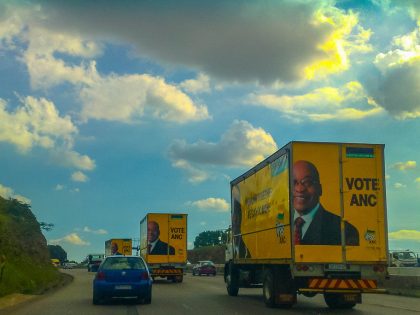
Where does this leave the majority of largely poor, black and unskilled people affected by the competing interests of powerful groups?
The writer, who lives in the U.S., travels with her teenage son back to Nigeria just as the country proposes a new law to criminalize same sex love.
Goodluck Jonathan, the incumbent in Nigeria, gets the hashtag treatment - gets mocked on Twitter - for his government's inaction and policy uncertainty on a range of fronts.
Asides from a few isolated cases, Nigeria's police force was never really an investigating force.
Just what level of racist insanity does an "expert" have to exhibit before the New York Times starts to think they're not an expert?
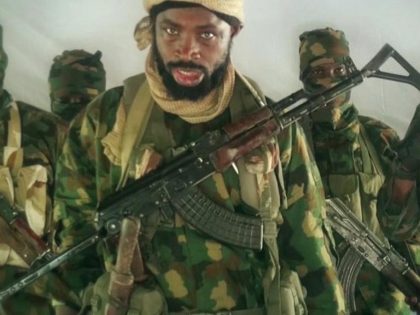
This is currently Boko Haram's structure: a cellular structure, and no centralized command, and seemingly no unity of purpose.
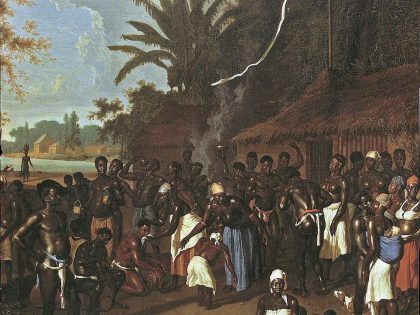
A public service as a response to Nigeria's removal of history from its school curriculum
Most South Africans have at least one thing in common: their hatred of other Africans coming from the rest of the continent.
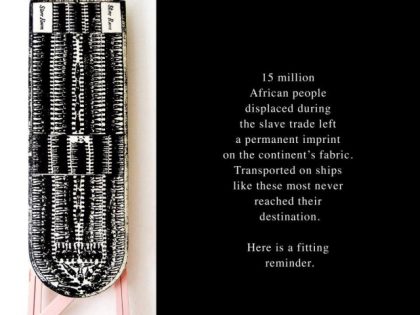
The Cape Town company that designs and markets "slave ship" ironing boards and aprons.
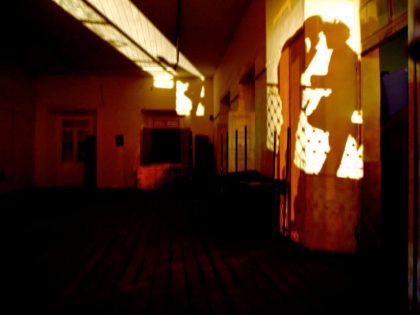
Angolans protest as the state threatens to tear down an historic building.
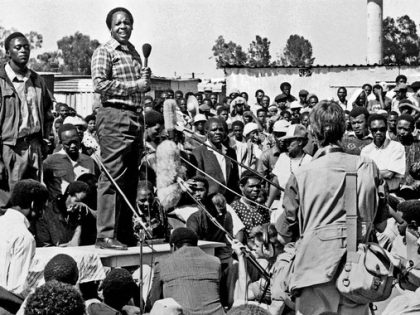
Chris Hani should not be made into an ideal type or used to settle political scores in the present.
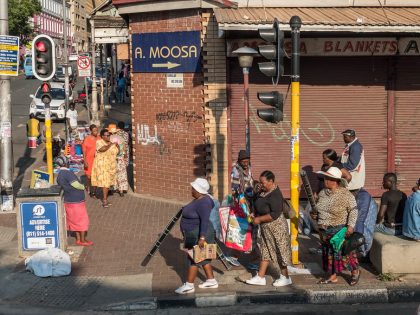
Chris Hani, a prominent ANC and Communist Party leader, was murdered on April 10, 1993, by white racists. The writer remembers hearing the news.
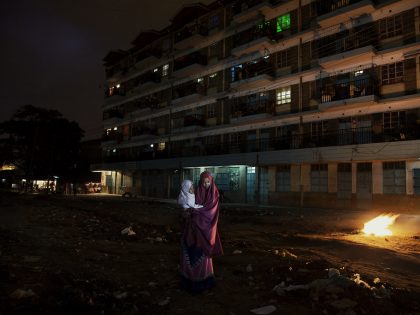
Kenyans employ all kinds of crude and unconscionable fascist statements towards anything Somali.
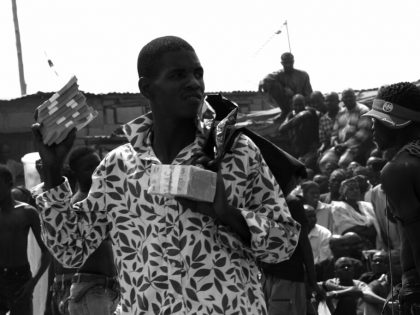
Today's post is about economic systems, the World Bank and the IMF, and whether they have they helped Nigeria or not.