A way out of this miasma
A film about four African artists in Toronto, challenges stereotypes about Africans in Canada's media capital.
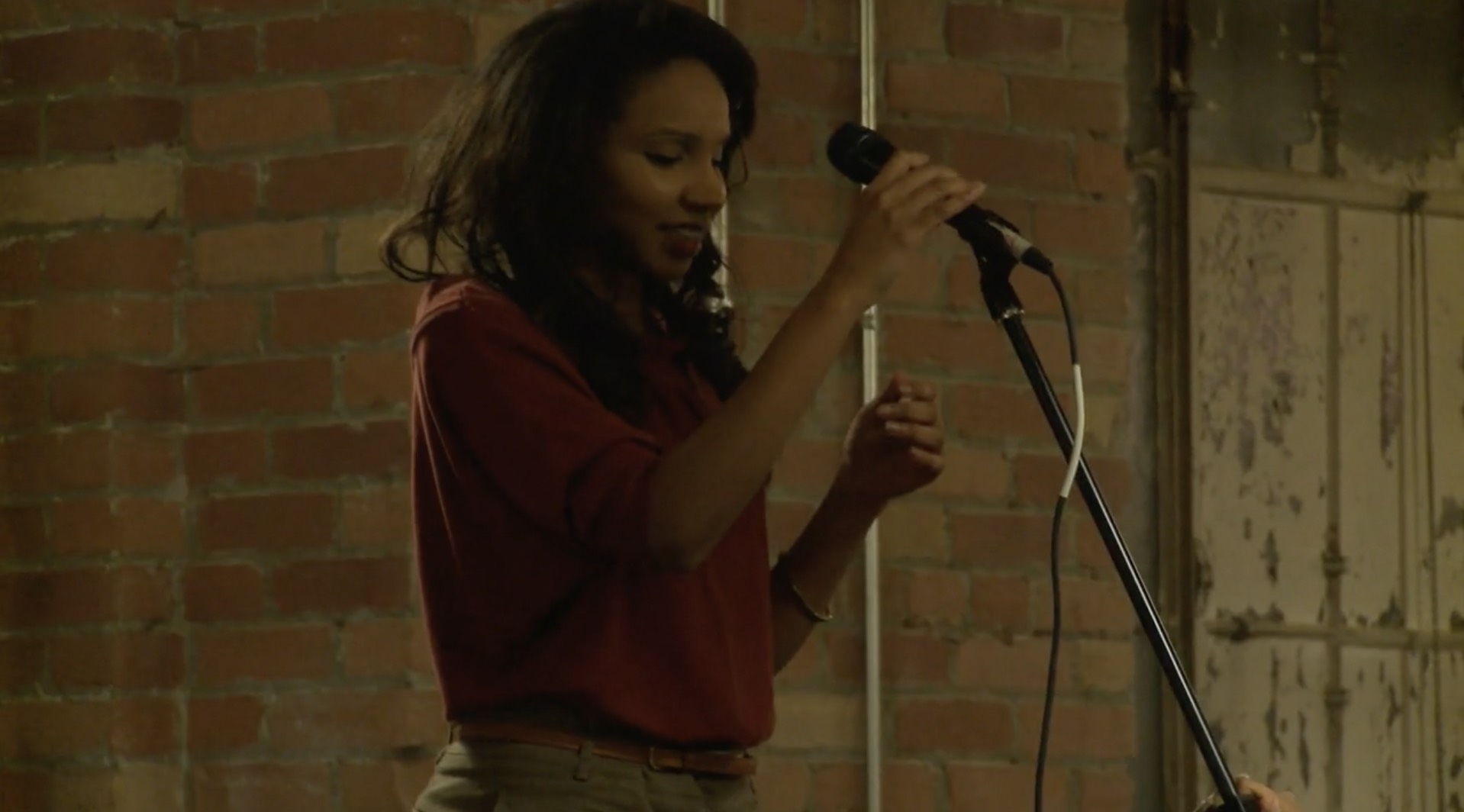
Stills from Rosa.Said’s “In Between Stories.”
In 2012, Rosa Said directed the short documentary film, “In Between Stories,” is a short . Originally Siad’s Master’s thesis in Media Production at Ryerson University, the film offers a portrait of four young artists of African descent living and working in Toronto. The film draws a connection between one-dimensional media portrayals that focus on war and crisis in Africa, and negative perceptions of predominantly black communities in Toronto. The false depiction of Africa—and by extension Africans—as chaotic, violent, and dangerous, Siad’s film implies, leads to similar stereotypes being applied to Africans in the diaspora. The film’s subjects, however, offer a way out of this miasma.
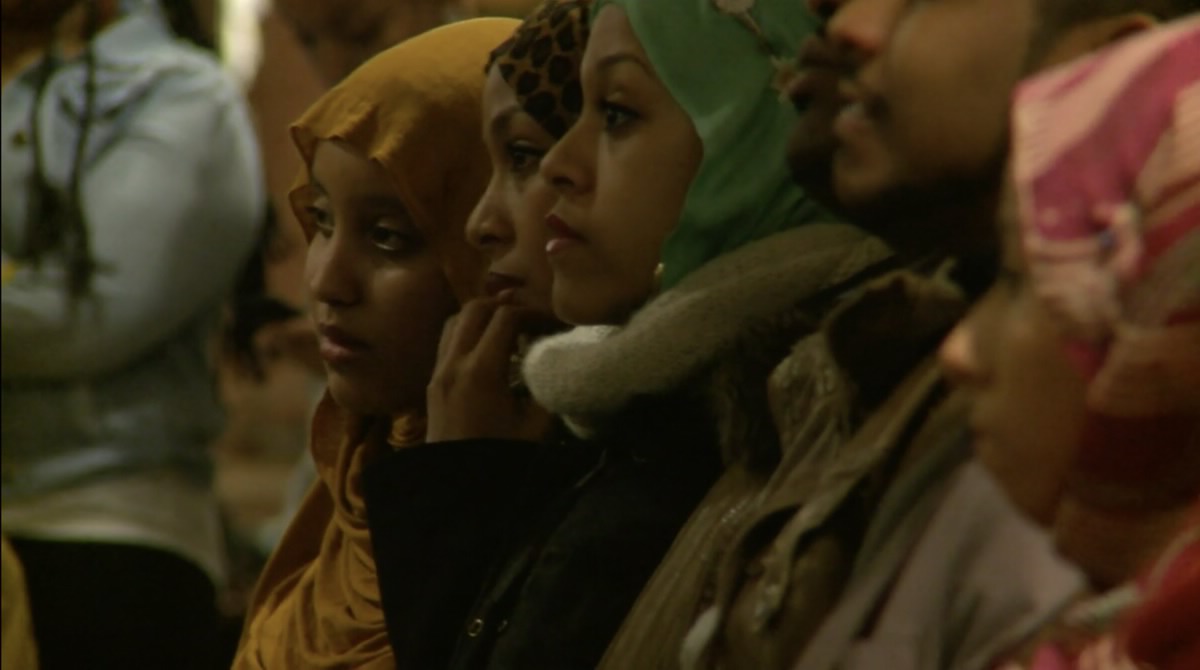
The four artists depicted in the film are creating works that often directly address and seek to counter both stereotypes of Africa, and of communities such as Toronto’s Regent Park. At the same time, their own intelligence, creativity, and talent demonstrate (and it is regrettable that, in some quarters, such a thing remains necessary) that there is much more to the African diaspora than crime and violence.
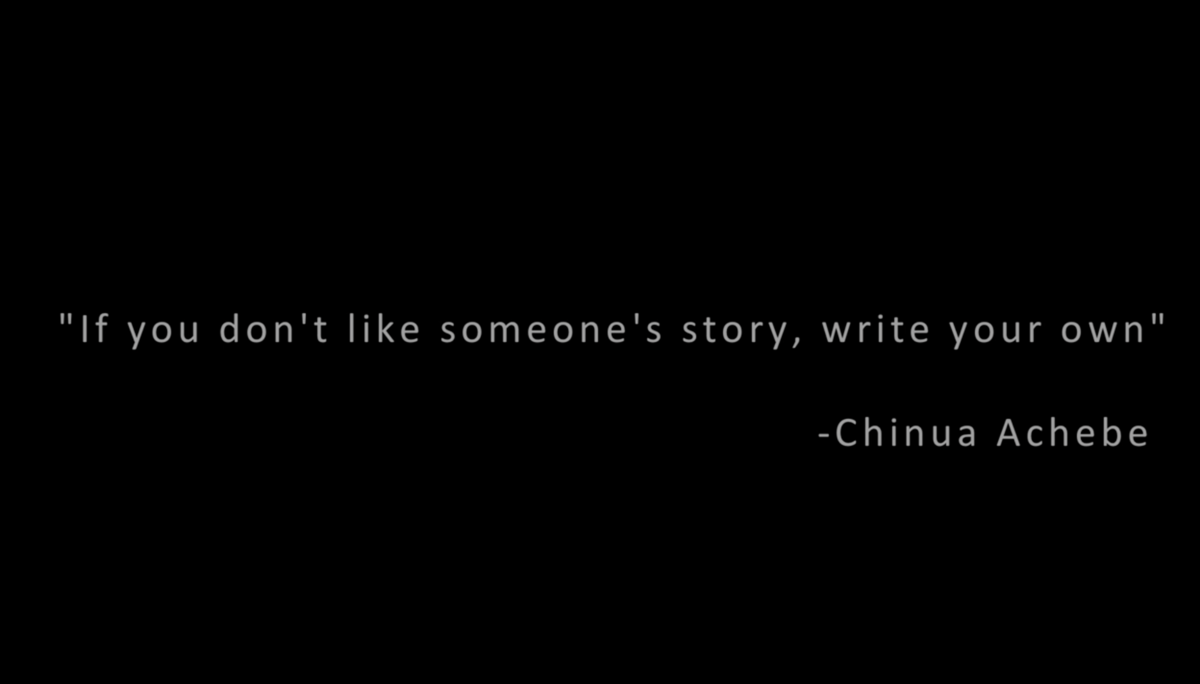
The perspectives of Africans living in Europe and North America (many of which can be found on this website) provide a valuable counterweight to Western media portrayals of the continent. Too often, however, these voices are marginalized because diasporic Africans too are victims of stereotyping. Not to mention the structural racism and sexism that sees most senior positions in the media filled by white men. “In Between Stories” performs the important service of drawing attention to these problems and of giving voice to young Africans’ perspectives on Africa.