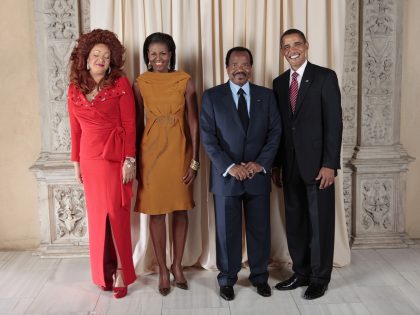
Paul Biya Yesterday, Today and Tomorrow
Biya did not conceive the system by which he rules Cameroon, but deserves as much credit for the modifications that have enabled his reign.
Search Result(s) for: “paul biya”
Biya did not conceive the system by which he rules Cameroon, but deserves as much credit for the modifications that have enabled his reign.
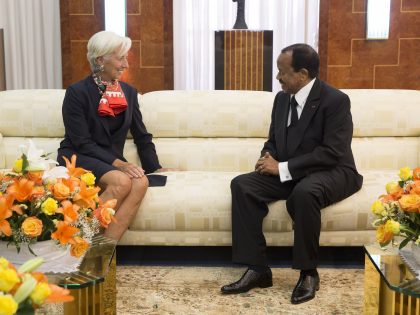
The Biya regime's grip on power has been exposed more than ever before. It is revolting to watch.
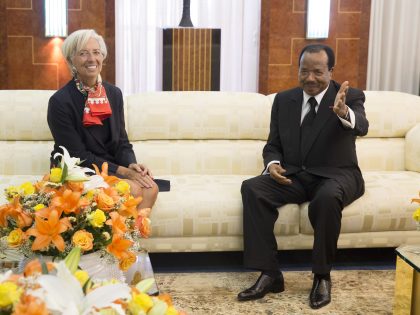
A meditation on the oldest ruler in the world.
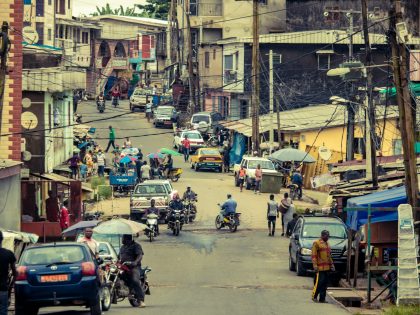
Cameroon’s president has ruled for over four decades by silence and survival. Now, with dynastic succession looming and no clear exit strategy, the country teeters between inertia and implosion.
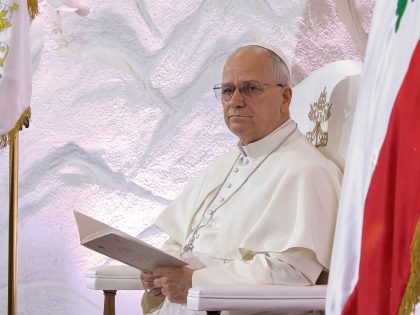
From John Paul II to Benedict XVI, papal visits to Cameroon have often come when Paul Biya’s government faced political turmoil.
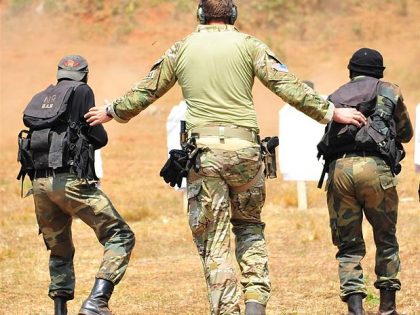
When will the state-sanctioned violence in Cameroon be sufficient to cause Western nations to stop supporting President Paul Biya and his military?
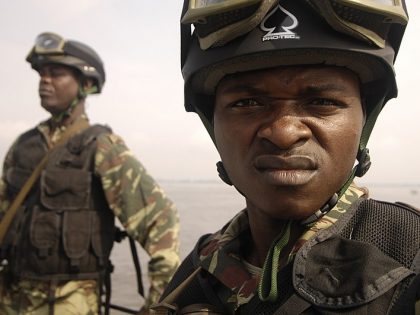
Paul Biya's inability to address the crisis in the country's Anglophone region is pushing the nation to the brink.
What will it take for the decades-old regime of Cameroon’s President Paul Biya to address the root cause of the country’s senseless conflict?
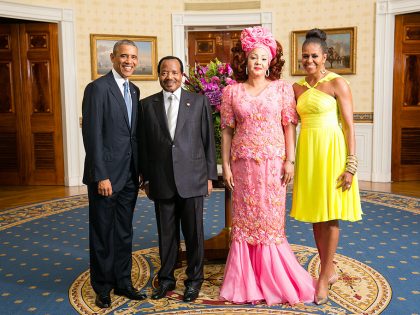
What would happen if the president goes missing? The people wouldn't care. They've learned to live without him.
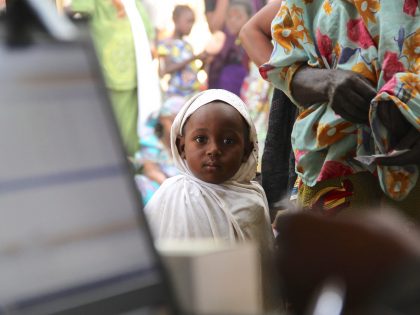
Are the international community and the African Union really powerless to stop the fratricidal war in Cameroon, or are they just indifferent?
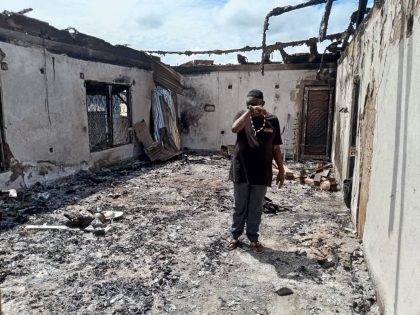
Years into Cameroon’s Anglophone conflict, the rebellion faces internal fractures, waning support, and military pressure — raising the question of what future, if any, lies ahead for Ambazonian aspirations.
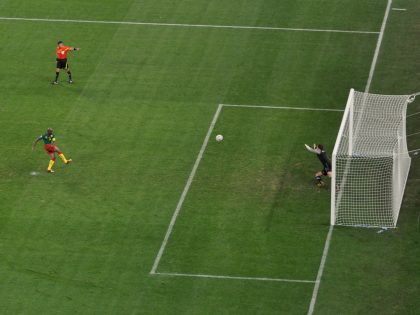
Star players in Cameroon's national soccer team have always doubled as PR pawns for the protracted rule of the country's aging and hard-line head of state.
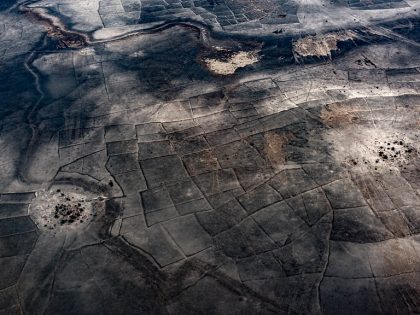
Why a military-only approach against Boko Haram in the countries bordering Lake Chad will always fail: it doesn’t address the root causes of political conflict there.
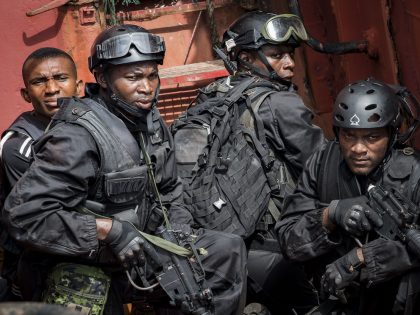
On the arrest and detention of Cameroonian writer and scholar, Patrice Nganang.
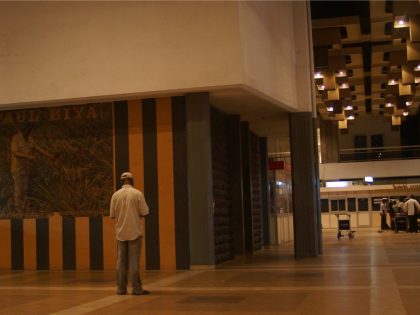
Authoritarianism, oligarchy, and patriarchy governs the Cameroonian political landscape.
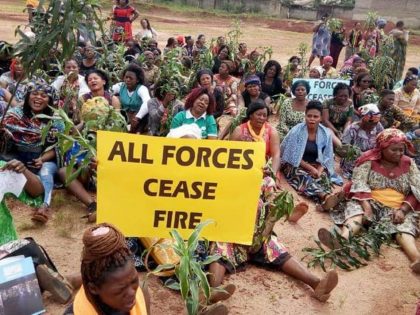
The longue duree of the conflict in the Southern Cameroons, the rise of the current Ambazonian movement, as well as the dismal prospects for conflict resolution.
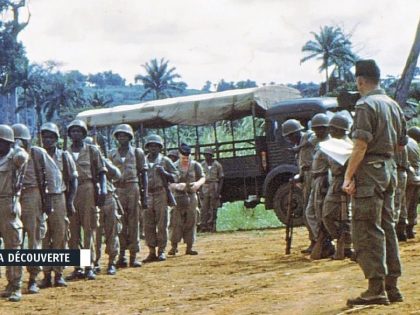
France would rather play puppeteer than transparently acknowledge its role in first shaping — and now underhandedly curating — its colonial past.

The fate of Cameroon's women's national football team, like much else in the country, is a reflection of the sorry state of its politics.
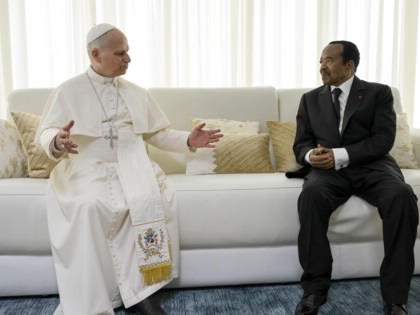
The Pope’s African tour tested whether the papacy can speak to ordinary people without becoming a prop for authoritarian power.
No matter where they are, the children of African heads-of-state live lives comically far-removed from those of the average citizen in their home countries.