The Trouble with Aid with “The Trouble with Aid”
How the humanitarian movement grew in close relation to the democratization of moving image technologies.
Search Result(s) for: “Ethiopia”
How the humanitarian movement grew in close relation to the democratization of moving image technologies.
At the heart of the protest movement in Sudan is a trade union. Proving again that democratic influence and change require collective participation and organization.

Liberians and the footballing world seem eager to coronate George Weah, Africa’s only winner of the World Player of the Year award as the country's next president.
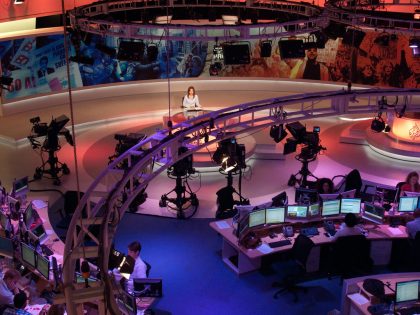
Al Jazeera is planning a French language version of its news network. That means, government funded France 24 will be in direct competition with it for viewership in Africa and amongst the continent's French speaking diaspora.
Foodyism and obscure ‘ethnic’ food are trendy these days. So, it is odd that South Africa hasn’t received more attention.
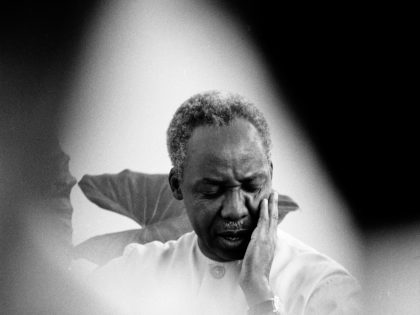
Ozier Muhammad captures, for black American audiences, the expressive possibilities of Africa's liberation struggles.
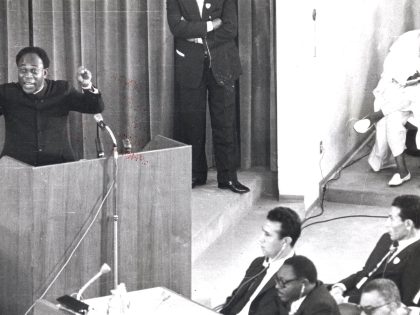
The post-colonial settlement has left Africa vulnerable to conflict, external pressure, and intellectual dependency. What comes next?

What is it with the long practice in British racing of adding an African appellation to a race horse's name. Most African countries now have at least one horse name after it.
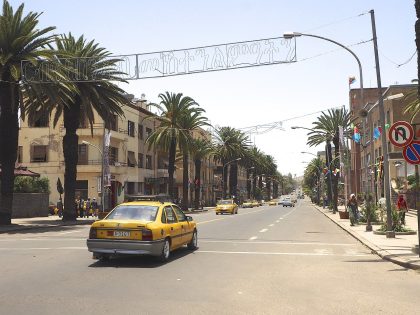
The Eritrean government continues to force students into military service in the middle of a pandemic. Things are about to get even worse.
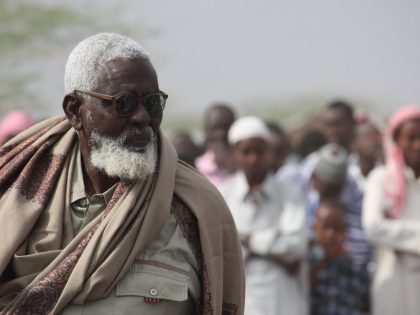
Those, mostly Somalis, born in Dadaab, since its creation in 1991, could be sent to a country they have never known.
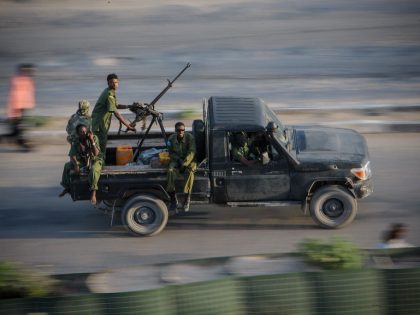
The United States’ military operations in Somalia are not well known because they'e carried out secretly or via proxies. COVID-19 hasn't slowed them down.
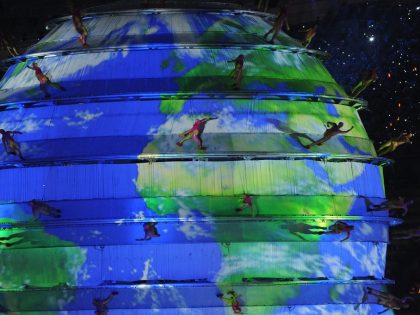
Journalism on and about the continent tends to veer between the extremes of neglect or stereotype on the one end, and touristic exoticism on the other.
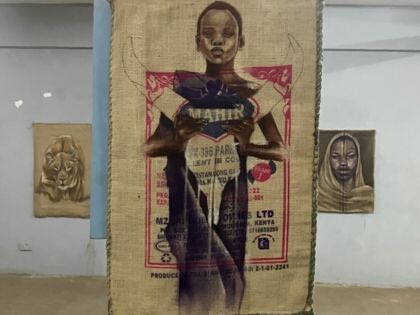
From Nairobi to Khartoum, Kampala to Addis Ababa, a new digital magazine maps how the interconnected forces of political repression, class exclusion, and patriarchy are shaping artistic life across Africa.
How can a fragmented and precarious working class unite against exploitative labor relations and, in the process, transform them?
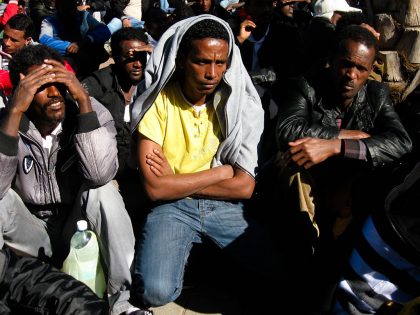
Meron Estefanos Meron speaks to us about her ongoing work with Eritrean refugees and migrants, many who live in Israel.