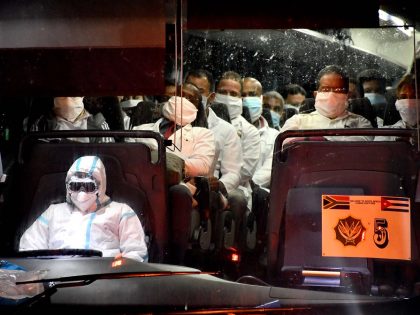
On Safari
What a year. Stay safe, wear a mask, social distance and when the vaccine becomes available where you are, get vaccinated.
Search Result(s) for: “Covid”
What a year. Stay safe, wear a mask, social distance and when the vaccine becomes available where you are, get vaccinated.
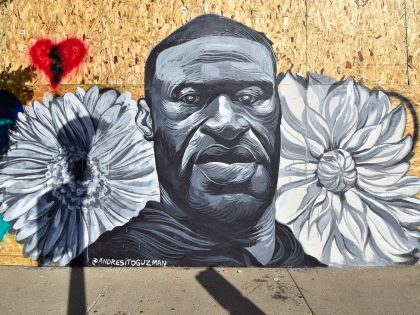
The labor and political organizing of Somali immigrants in the US Midwest should inspire more Americans to join the broader movement for worker rights and racial equality.

In an agreement between the EU and African countries, refugees held at sea in the Mediterranean cannot claim rights to asylum. They are forever in limbo.
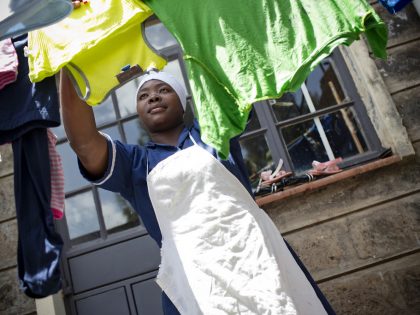
Regular Kenyans try to survive the economic fallout from the coronavirus.
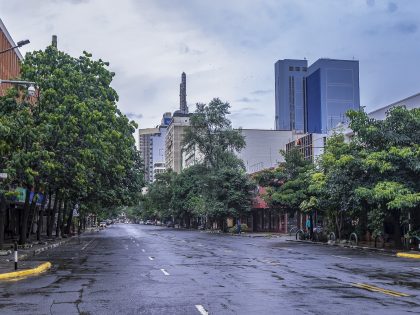
Cities will continue to exist and grow despite the coronavirus crisis because of the distinctly human need for social interaction, physical contact, and collaboration.

Much of what passes for politics these days is actually just anti-politics: not a function of too much politicization, but a severe lack of it.
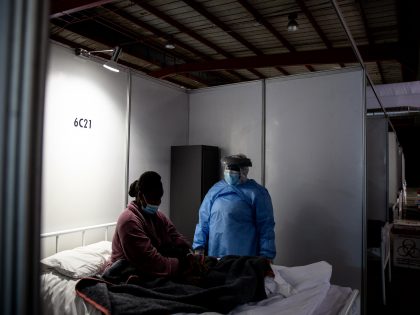
Just ten nations have administered 75% of the vaccines worldwide. Countries like South Africa are being left behind.
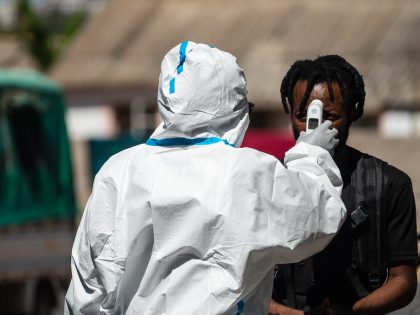
What happened to the once universally accepted idea of healthcare for all?
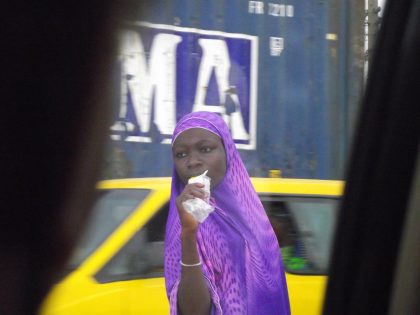
Hausa poetics of compassion and resistance in northern Nigeria in the age of pandemics and neoliberal democracy.
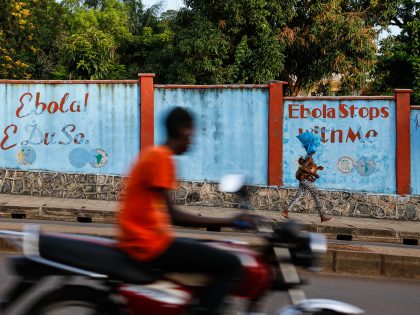
The full recognition of the neocolonial structure of international economic and global health relations demands much more radical political alternatives.
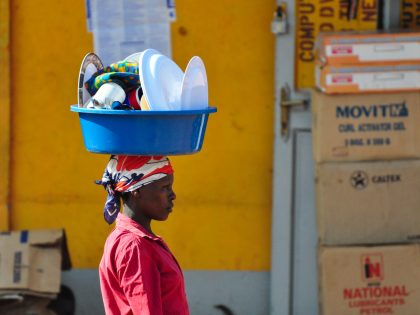
President Museveni announces 14-day lockdown as market vendors are beaten, the sick unable to move to hospitals and the wealthy bunker down in their solar-powered homes.
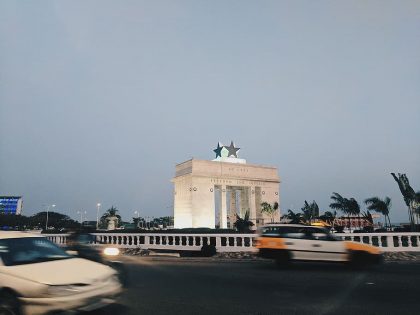
Demolishing homes of poor residents in Accra while under lockdown, tells us all we need to know about the Ghanaian state's treatment of working class people.
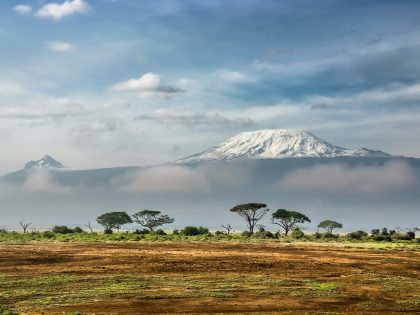
Hiking as Kenyans in Kenya is pathbreaking, both literally and metaphorically.
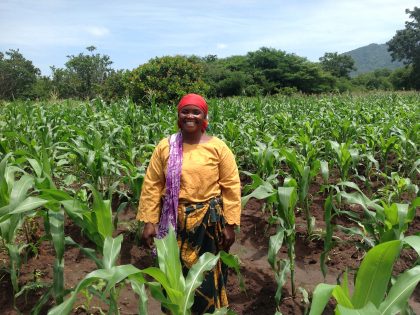
How early post-independence clarity on the link between food self-sufficiency and national sovereignty offers lessons for contemporary efforts.
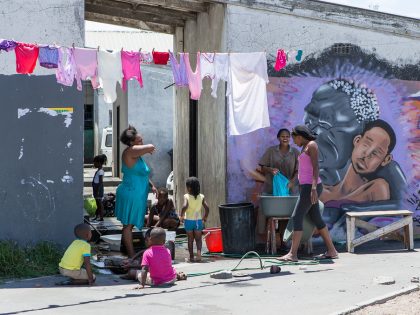
The coronavirus pandemic places moral, economic, and political questions before us. Only two answers remain: socialism or barbarism.

The viral sensation “Jerusalema” and its dance challenge reveals a deeper longing and desire to re-imagine the world.
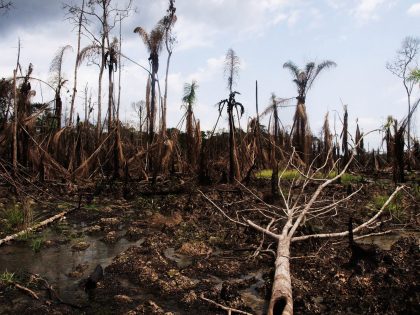
Climate activists and leftists should tread cautiously when they use the climate argument to support fossil fuel subsidy reform in Africa.
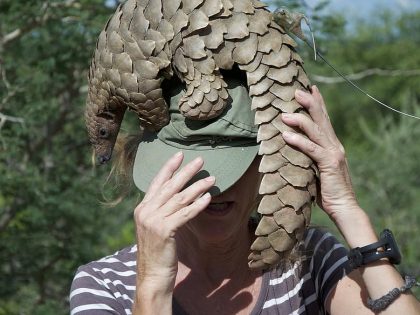
News reports claiming that “wet markets” in Asia are the source of the coronavirus obscure the fact that the consumption of wild animals is common in the West.
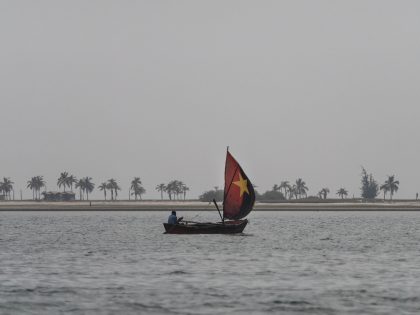
The make-believe consensus built around local government elections continues as always to ignore the views and expectations of Angolans. But the people are organizing.
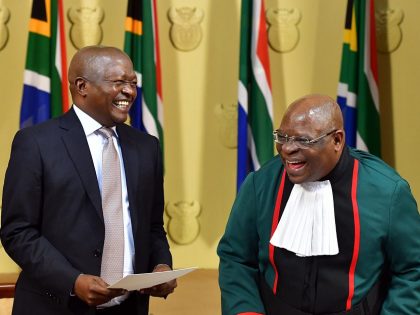
South Africans are learning the hard way that corruption cannot simply be solved through technical fixes and increasing “accountability” through locking the villains up.