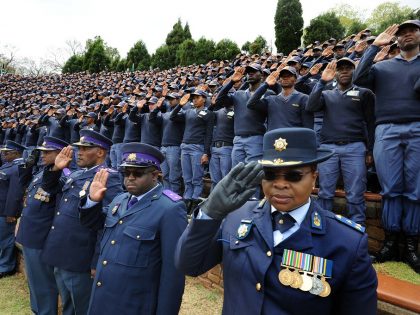
Who will watch the watchmen?
Who will watch the police and the army in South Africa as they act on behalf of the state to enforce COVID-19 regulations.
Search Result(s) for: “apartheid”
Who will watch the police and the army in South Africa as they act on behalf of the state to enforce COVID-19 regulations.
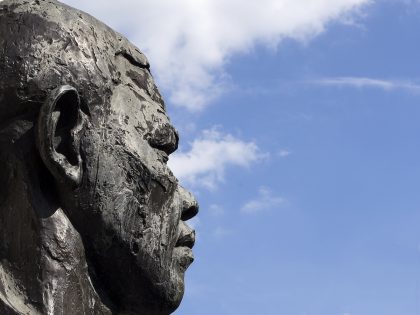
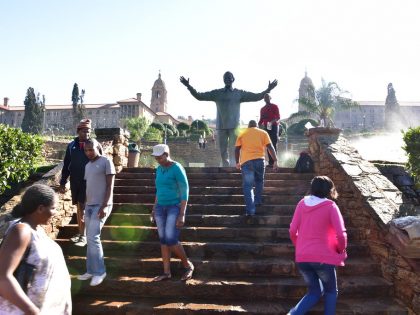
Nelson Mandela's life teaches us that being quarantined is not the end of politics, but for the regeneration of politics.
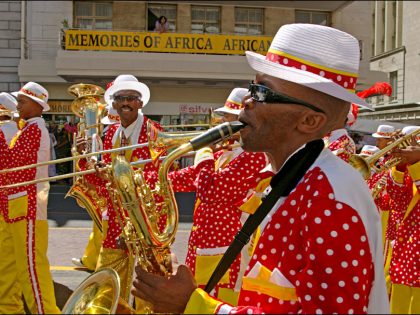
Breaking with the usual media conversation about the carnival that recalls Cape Town’s slave past.
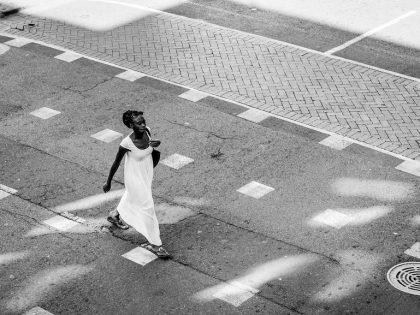
In South Africa, social distancing to bring down COVID-19 infections takes a decidedly local shape. In a racialized society, it manifests primarily as white melancholia and black Afro-pessimism.

How psychologists can and should become advocates for African and African feminist critiques of academia and of society.
COVID-19 has been used to justify xenophobia and anti-Asian racism, but a white South African woman’s hoarding behavior illustrates the global anti-black and anti-poor response to crises.
Race reductionism is stunting the possibility for radical change in an ever unequal South Africa.
How media and anti-corruption campaigns reinforces, or fail to adequately address, racialized and ahistorical accounts of corruption as a problem in South Africa.
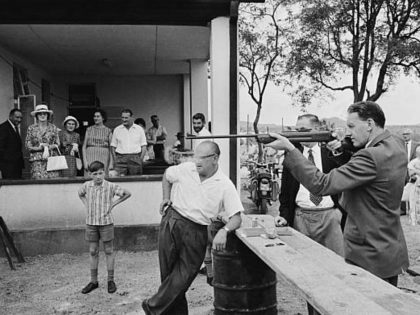
Here's a list of white dictators, including real world ones, who were either African or operated on the continent.
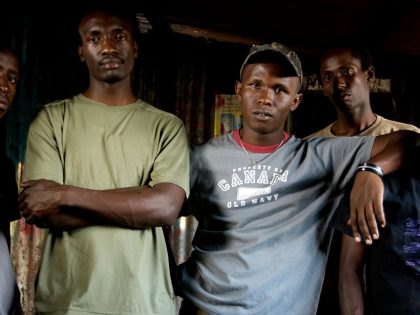
The best films of 2012 with African subjects as their focus: incredibly powerful and moving activist filmmaking that has documented the shifting politics of the continent.

We send our Tokoloshe to battle with those trying to make us forget the atrocities of Marikana.
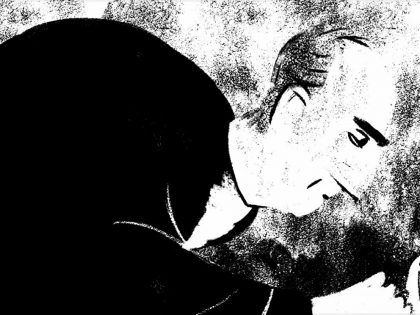
What can we learn from the 256 hours of audio recordings of the 1964 Rivonia Trial's proceedings?

The intersecting dynamics of class and gender, changing beauty ideals, and the expansion of consumer capitalism in Africa.
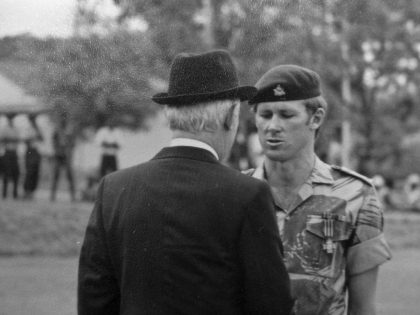
Rethinking white societies in Southern Africa from the 1930s to the 1990s, particularly the region’s white workers and white poor and their relationship with white-ruled states.
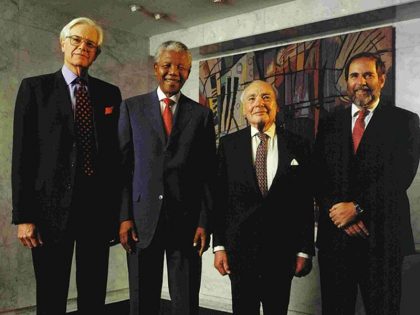
The elite compromise of the early 1990s emphatically excluded the possibility of a comprehensive redistribution policy.
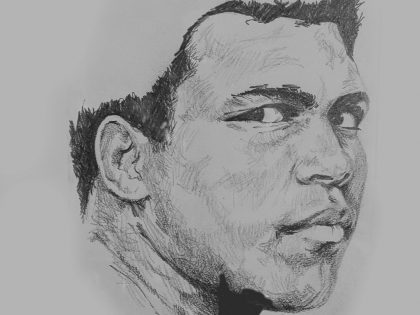
How do white South African writers confront the country's as well as their own pasts?

An interview with hip hop scholar, Adam Haupt, about hip hop pioneers P.O.C., the viral rappers Die Antwoord and the state of contemporary South African hip-hop.

Die Antwoord play the media game well. What they still do badly is "borrowing" from other people's work.