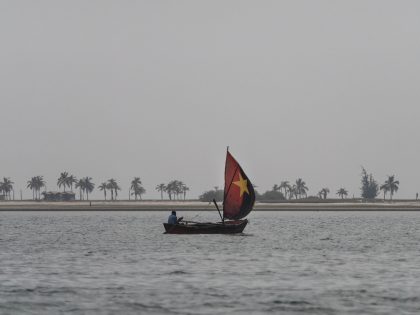
Angola’s backyard revolution
This month on AIAC Radio we talk with Marissa Moorman and Paulo Flores to see how a music culture born in the quintals of Luanda helped birth a nation. Listen on Worldwide FM.
Search Result(s) for: “Diaspora”
This month on AIAC Radio we talk with Marissa Moorman and Paulo Flores to see how a music culture born in the quintals of Luanda helped birth a nation. Listen on Worldwide FM.


In this interview with Rasna Warah, journalist Michela Wrong debunks the myth of Rwanda as a model developmental state and a poster child for Western aid.

Visualizing the 1760-1761 Slave Revolt in Jamaica, the greatest slave insurrection in the eighteenth century British Empire.

On telling stories through the evocative and varied moments in which humans live, rather than through the predictable and artificial plots historians devise.

Anyone who cares about civil society, free speech, and human rights should find the state’s digital silencing of its citizens deeply troubling.
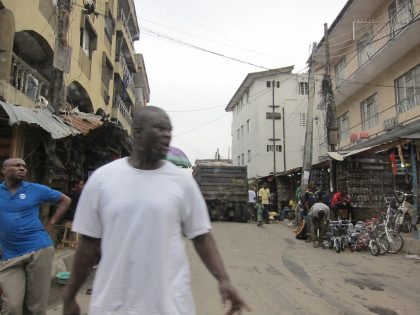
Peter Ayodele Curtis Joseph was a prominent left nationalist in Nigeria’s struggle for independence. Then he was forgotten. How do we commemorate him?

Historian Carina Ray on her book that explores the history of interracial intimacy in the Gold Coast and Ghana.
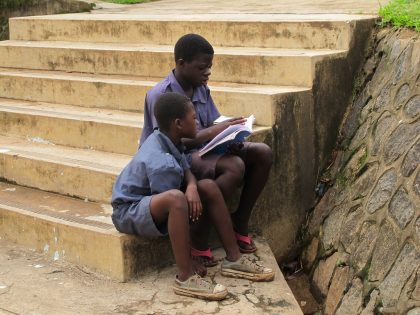
A small corrective to the tide of Big Media book lists that champion a small and predictable group of authors who together give at best a limited Eurocentric view of our world.
The pick of summer 2012's shows and parties in New York City.

Here's what to read and who to follow on social media if you want to make sense of Ugandan politics now.

Beauty, stillness, and connection in Lagos, Nigeria.


The latest installment of our film news series, #MovieNight.

Why are we so averse to acknowledging complexity, difference, subtlety and agency when it comes to art that emerges from and in Africa?
A film series in London explores what it would mean imbuing Africa with extra-terrestrial powers. We speak to the curators, Al Cameron and Nav Haq.

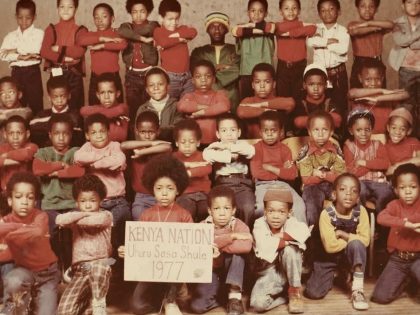
The little-known story of how US-based Pan Africanists responded to white racism and a corrupt school system by founding their own schools in the 1960s and 1970s.

