
What does Palestine have to do with Africa?
Zionism is an extreme, but by no means exceptional, manifestation of the divisive logic of the nation-state.
Search Result(s) for: “apartheid”
Zionism is an extreme, but by no means exceptional, manifestation of the divisive logic of the nation-state.

Imagining and demanding the decolonization of Palestine means acting to decolonize all the colonial states in the world, from Brazil to Australia, including the USA and Chile.
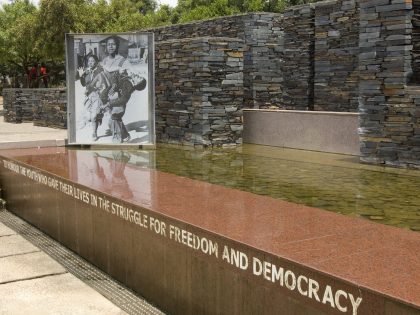
Before the Soweto Uprising in 1976, students and workers organized one of the largest strike actions in South Africa’s history.
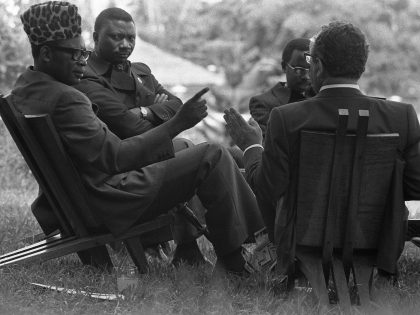
In 1975, seeing how a communist victory in Angola’s civil war would boost the morale of Vietnamese freedom fighters, Henry Kissinger wanted to plan a covert operation against the MPLA.
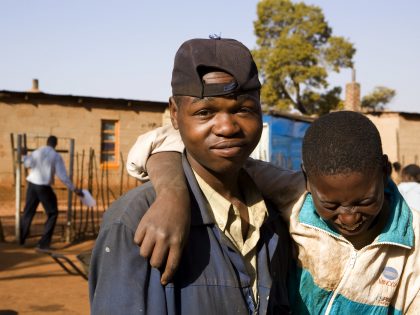
Anxious and isolated, living in poverty or financial precarity, we sink into ourselves and adopt self-destructive coping mechanisms.

Existing models of racial healing center whiteness and demand the emotional labor of Black folk, fetishizing reconciliation but forsaking justice.

Are corporate entities really well intentioned in celebrating Mandela the freedom fighter or are they merely using these tributes to position their brands on the right side of history?
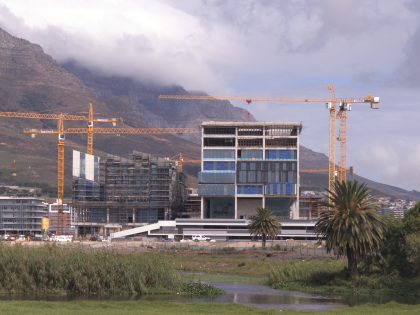
K. Sello Duiker’s 'The Quiet Violence of Dreams' still haunts Cape Town, a city whose beauty masks its brutal exclusions. Two decades later, in the shadow of Amazon’s new development, its truths are more urgent than ever.
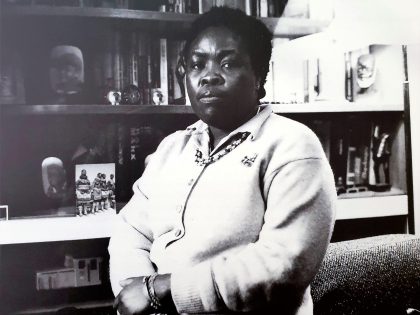
Gladys Nzimande-Tsolo, who died on 27 September 2023, was a South African freedom fighter. Why has she been forgotten?
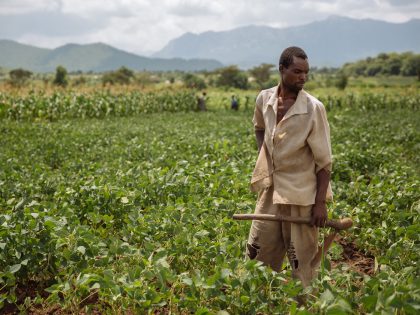
Malawi’s decision to send more than than 200 people to work on Israel’s farms sets a precedent for other African leaders to act with the same apathy.
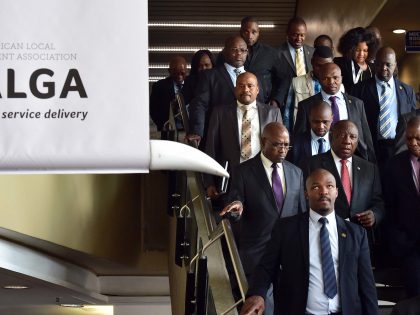
If re-municipalization — returning a privatized service to local public control — is to work in South Africa, we need other forms of social contracting between municipalities and citizens.

The frustration or inability to establish an identity that is free of hegemonic constructed myth – that ceases to be at odds with current reality.

Revisionist histories of South Africa’s transition to democracy are overdue, like on the deadly march on Bisho in the Ciskei homeland on 7 September 1992.
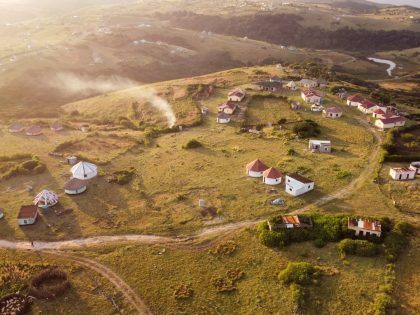
Why languages, particularly black African languages, have become a battleground in postapartheid power and identity politics in South Africa.
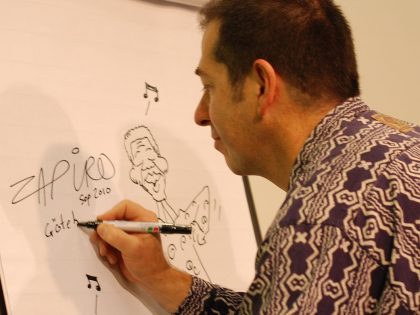
Tracing the origins and development of newspaper cartooning in South Africa, and its political place.

Considering the proximity of celebrity culture to how capitalism operates in Africa, why is it not given more serious attention?
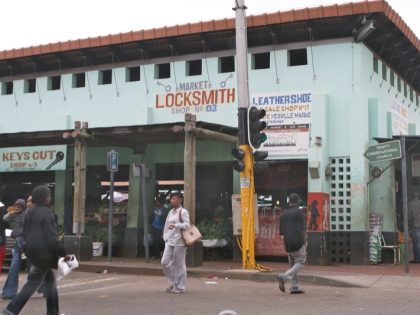
From indirect rule to Operation Dudula, the lines dividing citizen from stranger trace back to the way empire organized identity and labor.

Communities whose land is being targeted for exploration by oil and gas companies are increasingly using the courts. South Africa points to good lessons for social movements about allying with the law.
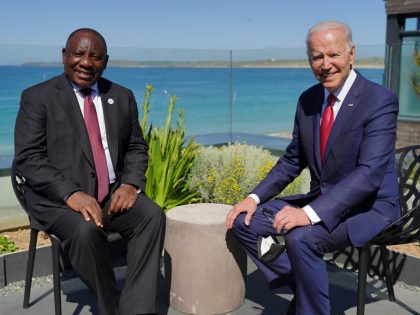
Recent US-South Africa relations appear to be firmly stalled in the cul-de-sacs of imperial or sub-imperial diplomacy.

We have to become more open to the possibility that what our society needs is not better policing, but less. And ultimately no policing at all.