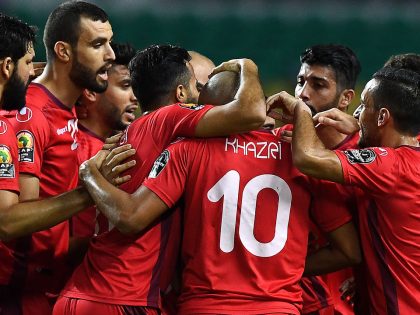
France ’98 and a genuine moment of Maghrebi solidarity
Tunisia played England in France '98. English hooligans attacked Tunisians in the streets of Marseille. Algerians came to Tunisians' rescue.
Tunisia played England in France '98. English hooligans attacked Tunisians in the streets of Marseille. Algerians came to Tunisians' rescue.
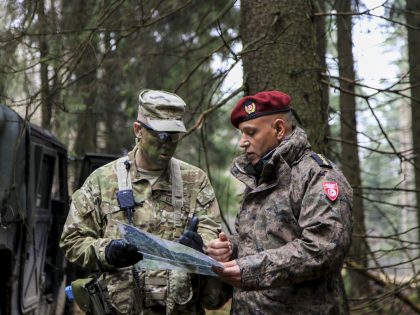
In post-uprising Tunisia, the western backed military is hampering the country's transition to democracy.
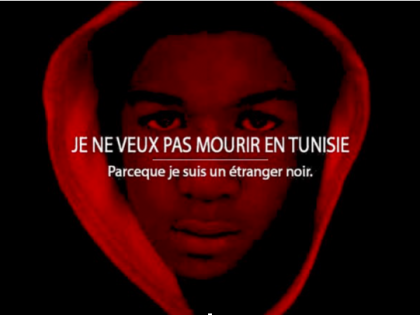
Racism against its black citizens permeates the social, institutional, and political strata of Tunisia.
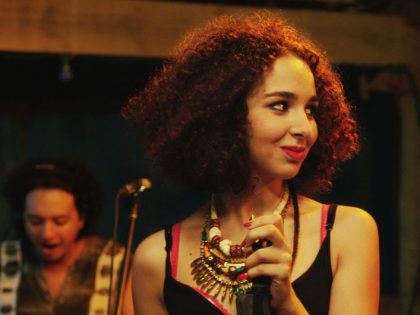

Finding more multilingual literary pathways will benefit all of African — and world — literatures.
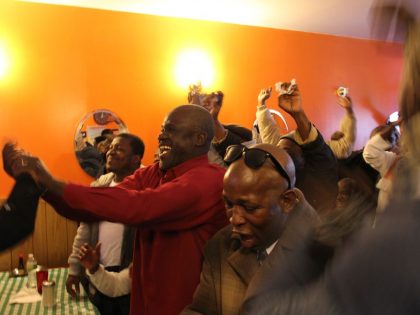
Watching the Africans Cup of Nations among expectant fans at an Ivorian restaurant in Harlem, New York.
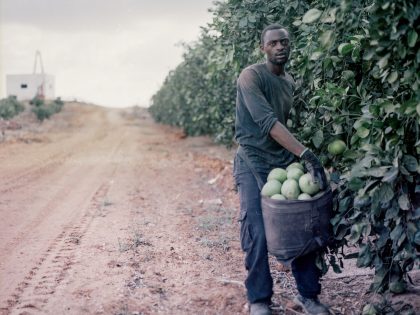
Israel's Interior Minister, Eli Yishai basically says Israel was a white country in a debate about African immigrants and refugees.
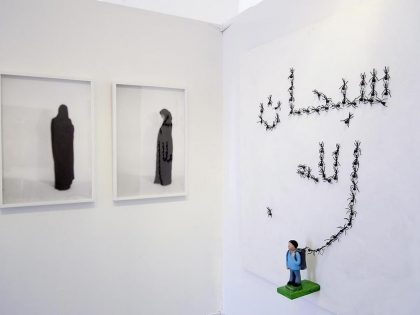
Artists wanted to comment on the political struggles and religious undercurrents roughing up Tunisian society. Religious zealots, backed by the state, shut them down.
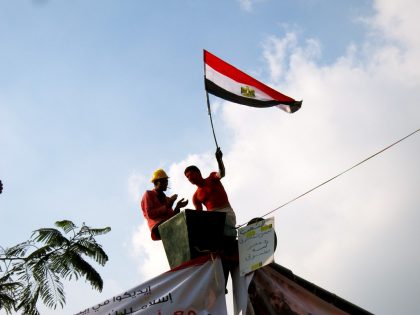
Can North Africans define their own futures, away from the inventions of old white men in think tanks in Washington DC?
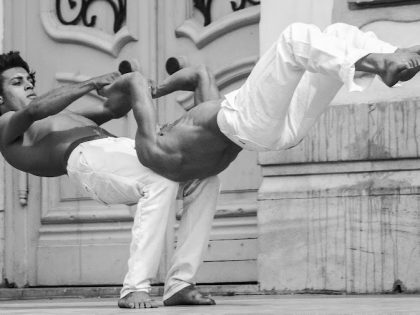
Plays, operas, children's events, participatory performances by audiences, and even some “open society” speeches lit up the Tunisian capital in defiance of religious extremists.

Corporations have tried and succeeded in cashing in on the political revolutions known as the "Arab Spring." Tunisia is the latest victim.
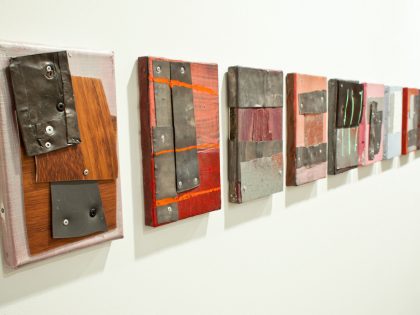
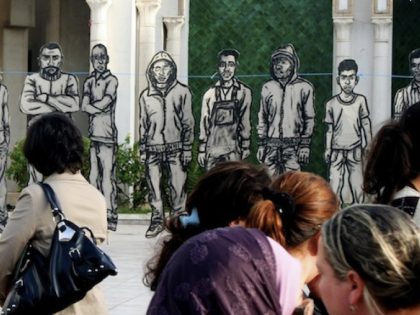
A series of public portraits by the young French-Algerian artist Bilel Kaltoun honors the martyrs of Tunisia's revolution.
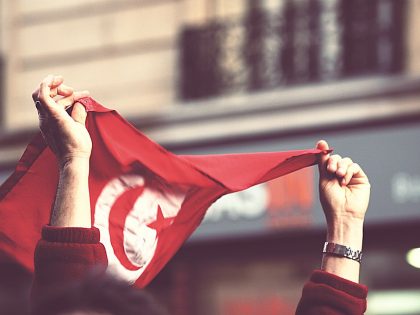
Women participated in all parties, and prominently so, including the party of the undecided and the party of those boycotting the election.
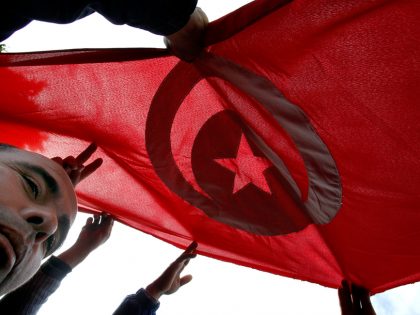
Tunisia, which kickstarted the "Arab Spring," is in a long pause between longtime dictator Ben Ali’s flight and elections scheduled for July 2011.