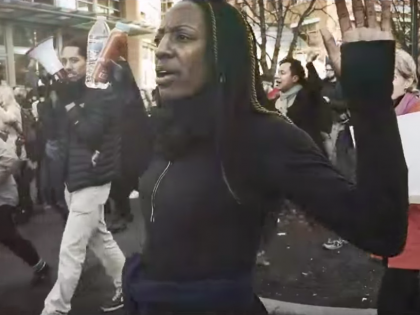
Ethiopia
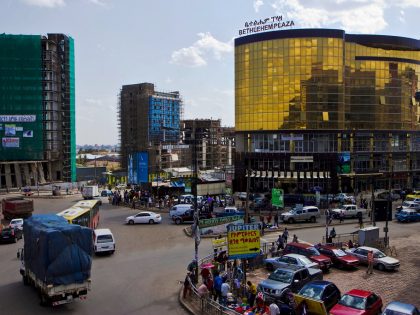
Let’s talk about ethnicity and nationalism in Ethiopia
Politics in and about Ethiopia has become so heavily “ethnicized” that we have a difficult time distinguishing between ideology and identity.
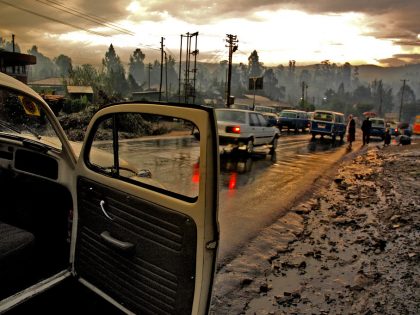
Ethiopian Dream
How does democracy develop in a poor country with a long-standing history of authoritarian rule?
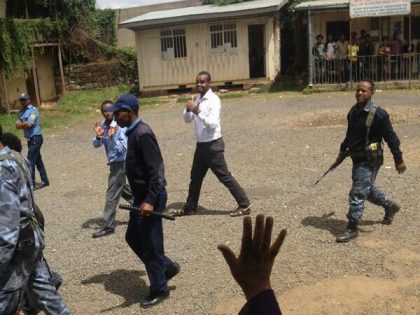
The legalization of political repression in Ethiopia
In Ethiopia the façade of legalism has become an indispensable gloss on political repression.
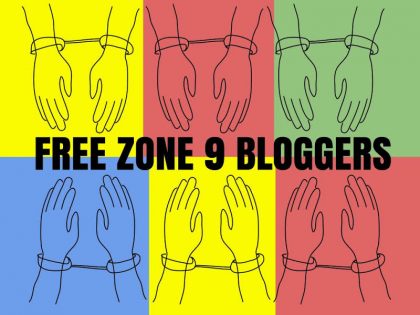
Why Blogging is a Threat to the Ethiopian Government
In the past decade, more journalists have fled Ethiopia than any other country in the world.

The Expatriate
Ethiopian-American artist, Wayna, explores issues including police brutality, disenfranchisement, race and identity in her music.
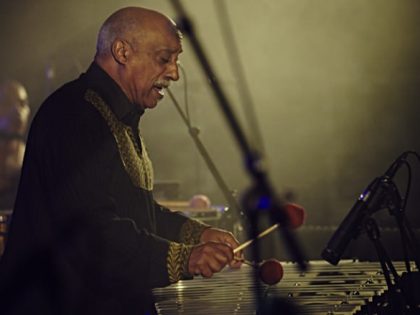
Mulatu Astatke is a legend
When the author heard Astatke's music, it was like listening to hip-hop for the first time.
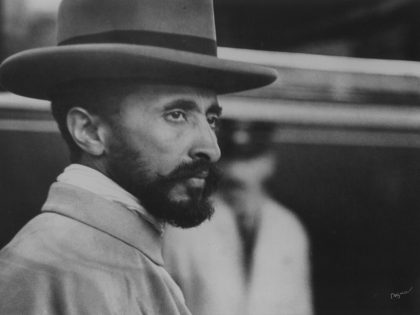
Rastafari and His Imperial Majesty
It's understandable that Rastafari aren’t critical about Haile Selassie, but the idealization of the monarch and Ethiopia in general can prevent critical analysis.
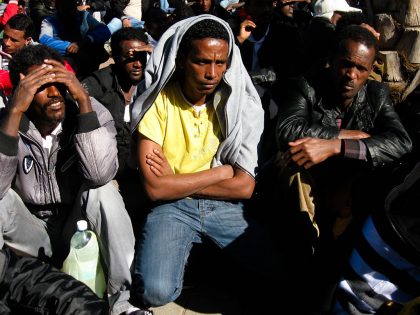
Israel calls them infiltrators
Meron Estefanos Meron speaks to us about her ongoing work with Eritrean refugees and migrants, many who live in Israel.
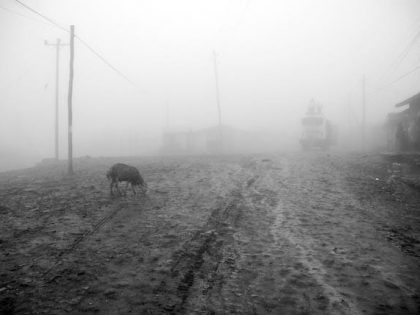
Escaping categorization
Ethiopian photographer Michael Tsegaye doesn't want to be pigeonholed. Neither does he want his country to be. So his art actively works against that.

The spirit of Ethiopian culture
Roxsanne Dyssell's second in a series of interviews with young artists and creatives: Next: creative director and photoblogger,Metasebia Yoseph

Cape Town needs a visit from Anthony Bourdain
Foodyism and obscure ‘ethnic’ food are trendy these days. So, it is odd that South Africa hasn’t received more attention.
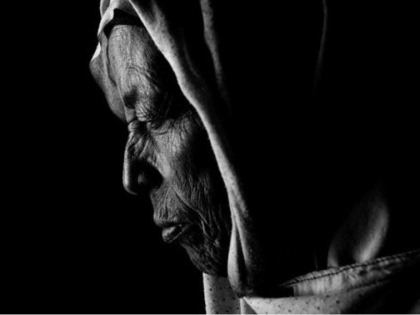
The women at the doorway
The photographer Aida Muluneh's work explores Ethiopia via identity, personal journey, and family nostalgia after a 30-year absence.
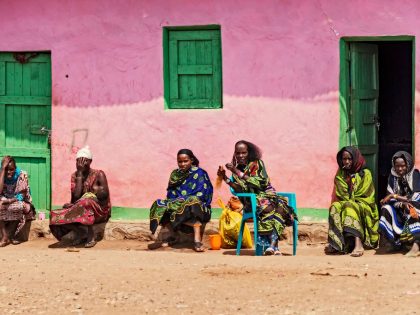
Women and rural gentrification in Ethiopia
Ethiopia forcibly relocates rural populations, often at gunpoint and never with any consultation, so the land can become "more productive."